Embarking on the journey of bringing a new puppy into your home is incredibly exciting. It’s a time filled with anticipation, cuddles, and endless joy. However, alongside all the happiness, there are practical steps both breeders and new owners should consider to ensure a smooth and secure transition. One of the most critical documents in this process is a puppy health guarantee contract template. This agreement serves as a cornerstone for trust and transparency, providing peace of mind for everyone involved.
A well-drafted health guarantee isn’t just a piece of paper; it’s a commitment to the puppy’s well-being and a testament to ethical breeding practices. For buyers, it offers a safety net, outlining what recourse they have should unforeseen health issues arise shortly after adoption. For breeders, it demonstrates professionalism and dedication, helping to protect their reputation and clarify responsibilities.
Understanding the ins and outs of such a contract is essential for both parties. It helps set clear expectations regarding the puppy’s health at the time of sale, specifies any conditions or limitations, and outlines the steps to take if a problem occurs. This article will guide you through the key aspects of a puppy health guarantee, helping you appreciate its significance and understand what to look for or include.
Why a Puppy Health Guarantee is Essential for Breeders and Buyers
A puppy health guarantee acts as a vital bridge between a breeder and a new owner, fostering a relationship built on trust and mutual understanding. For reputable breeders, offering a comprehensive guarantee isn’t just good practice; it’s a demonstration of their commitment to the welfare of their animals. It shows they stand behind the health and lineage of their puppies, offering transparency and accountability. This builds confidence in potential buyers, making their decision to choose a particular breeder much easier.
From the buyer’s perspective, this document is a crucial safeguard. Bringing a new puppy home often involves a significant emotional and financial investment. The last thing any new owner wants is to discover their beloved companion is suffering from an undisclosed health issue shortly after adoption. A health guarantee provides a defined period during which the breeder assumes responsibility for certain health conditions, offering remedies like a refund, replacement, or assistance with veterinary costs.
Without a clear contract, disputes can quickly become emotionally charged and difficult to resolve. Imagine the heartbreak and stress of realizing your new puppy has a serious congenital defect or an infectious disease within days of arrival, with no written agreement to guide the next steps. A well-defined guarantee prevents such scenarios by clearly outlining responsibilities, timelines, and resolutions, making the adoption process smoother for everyone.
Understanding the Core Components of a Guarantee
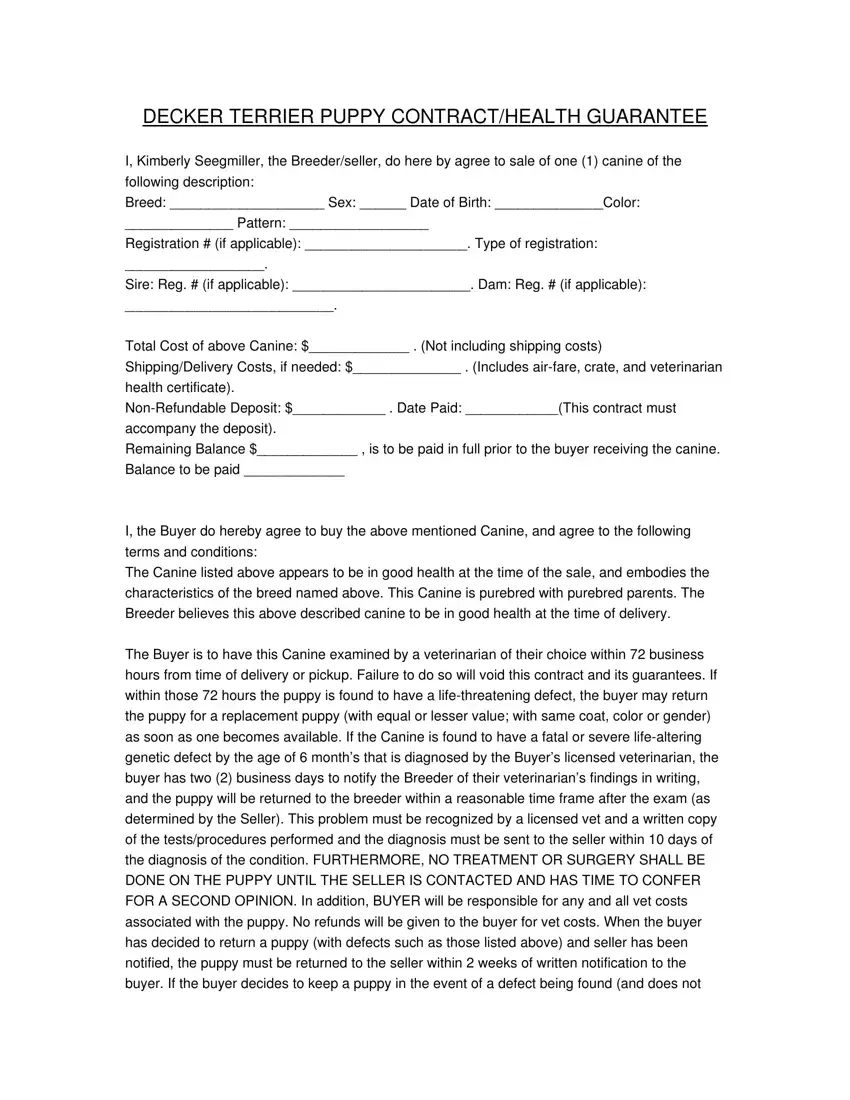
Every effective puppy health guarantee should include several key components to be truly comprehensive. Firstly, it typically mandates an initial veterinary check-up for the puppy within a specified timeframe, often 48 to 72 hours, performed by the buyer’s veterinarian. This ensures that the puppy is healthy at the point of transfer and establishes a baseline for its well-being.
Secondly, the contract will detail the specific health conditions covered and the duration of the guarantee period. This often includes short-term warranties for infectious diseases like Parvovirus or Distemper, usually lasting a few days or weeks. Longer-term guarantees, sometimes extending for one to two years, typically cover genetic or congenital conditions that might not manifest until later in the puppy’s development, such as hip dysplasia or certain heart conditions.
Thirdly, it outlines the remedies available should a covered health issue be diagnosed. These might include a full or partial refund of the purchase price, a replacement puppy from a future litter, or assistance with veterinary expenses up to a certain amount. The contract will specify the process for making such claims, usually requiring veterinary documentation and prompt notification to the breeder.
Furthermore, the guarantee will typically clarify the responsibilities of the new owner. This often includes providing adequate nutrition, shelter, and medical care, adhering to vaccination schedules, and notifying the breeder immediately if any health concerns arise. Failure to meet these responsibilities can sometimes void the guarantee, so it’s crucial for buyers to understand their obligations.
It’s also common for contracts to list specific exclusions, detailing what the guarantee does not cover. This might include common parasites, minor illnesses that are easily treated, or conditions arising from neglect, accidents, or improper care once the puppy is in the buyer’s possession. Clear language here helps prevent misunderstandings down the line.
Finally, the document requires the signatures of both the breeder and the buyer, along with the date, making it a legally binding agreement. Some contracts may also include clauses regarding microchip information, puppy registration, spay/neuter agreements, and details about the puppy’s parents.
Crafting Your Own Effective Health Guarantee
When you’re looking to acquire a new furry family member, encountering a well-structured puppy health guarantee contract template gives you immediate confidence in the breeder. Similarly, if you are a breeder, creating such a document isn’t just about protection; it’s about showcasing your integrity and commitment to responsible breeding practices. While templates offer a great starting point, customization is key to ensuring the contract accurately reflects your specific practices and complies with local laws.
Consider the specific breed of puppy in question and any known genetic predispositions. A template can then be tailored to explicitly cover or exclude certain conditions relevant to that breed. For instance, a breeder of German Shepherds might emphasize hip and elbow dysplasia, while a Cavalier King Charles Spaniel breeder might focus on heart conditions. It’s always a good idea to consult with a legal professional to ensure your contract is legally sound and enforceable in your jurisdiction.
Here are a few critical points to consider when drafting or reviewing a health guarantee:
- Be explicit about the warranty period for different types of health issues (e.g., 48 hours for infectious diseases, 1 year for genetic conditions).
- Clearly define what constitutes a “covered” condition and what evidence is required (e.g., diagnosis from a licensed veterinarian, specific tests).
- Outline the exact remedies offered, whether it’s a refund, a replacement puppy, or veterinary expense contributions, and the process for claiming them.
- State the buyer’s responsibilities clearly, such as scheduling a vet visit within a specific timeframe or providing proof of proper care.
- Include contact information for both parties and a clause about dispute resolution.
Having a comprehensive and transparent health guarantee in place benefits everyone involved. It fosters peace of mind for the new owners, ensuring they have recourse should an unforeseen health issue arise. For breeders, it solidifies their reputation as ethical and responsible, attracting discerning buyers who value transparency and accountability.
Ultimately, this document is a testament to the shared commitment to the puppy’s long-term health and happiness. By clearly outlining expectations and responsibilities from the outset, it helps to ensure that the exciting journey of bringing a new companion home remains a joyful and reassuring experience for all parties involved.