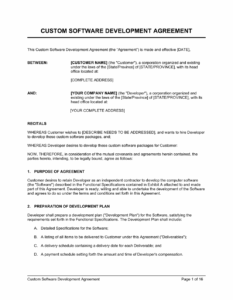
Finding the right talent in today’s competitive market can feel like an uphill battle. Many companies are turning to external experts to handle their hiring needs, which is where recruitment process outsourcing comes into play. However, before you jump into a partnership, you need a solid foundation to ensure everyone is on the same page. Having a reliable recruitment process outsourcing contract template helps you define the rules of engagement and protects both your business and the service provider from future misunderstandings.
When you decide to outsource your hiring, you are essentially handing over the keys to your company’s growth. It is a major decision that requires more than just a verbal agreement or a simple handshake. You need a document that outlines specific goals, timelines, and expectations. This ensures that the RPO provider acts as a true extension of your internal human resources team rather than just another vendor throwing resumes at your inbox.
A well-drafted agreement acts as a roadmap for the entire relationship. It takes the guesswork out of the equation by detailing exactly who is responsible for what. Whether you are a small startup looking to scale quickly or a large corporation needing to fill hundreds of niche roles, starting with a comprehensive recruitment process outsourcing contract template ensures that you have covered all your bases from day one. It allows you to focus on your core business while your partner focuses on finding the best people to help you succeed.
Breaking Down the Essential Components of Your Agreement
The first thing you need to address in any outsourcing agreement is the scope of services. This section should be incredibly detailed, leaving no room for interpretation. Are they handling the entire end-to-end recruitment process, or are they just sourcing candidates for your internal team to interview? By being specific about the stages they are responsible for, such as job posting, initial screening, and background checks, you prevent overlapping tasks and ensure efficiency across the board.
Performance metrics are another critical element that must be included in the contract. These are often referred to as Service Level Agreements or SLAs. You should define what success looks like by setting clear targets for time-to-fill, cost-per-hire, and the quality of the candidates presented. Having these benchmarks in writing provides a quantitative way to measure the provider’s performance and holds them accountable for the results they promised during the sales pitch.
Managing Fees and Payment Structures
Pricing models in the world of RPO can vary significantly, so it is vital to outline how and when payments will be made. Some providers charge a monthly management fee, while others work on a success-based model where you pay per hire. You might even see a hybrid approach that combines both. Your contract should clearly state the payment schedule, any additional costs for advertising or technology, and what happens if a candidate leaves shortly after being hired.
Ownership of data and intellectual property is an area that often gets overlooked but is incredibly important. You need to ensure that the candidate database and any recruitment materials created during the partnership belong to your company. If the relationship ends, you should be able to walk away with the data and talent pools that were built on your behalf. This prevents you from being locked into a provider simply because they hold all your recruitment information hostage.
Data privacy and compliance must also be a top priority. With regulations like GDPR and various local labor laws, your contract needs to state that the RPO provider will handle all personal data with the utmost care and in full compliance with the law. This protects your company from legal liabilities and ensures that candidate information is kept secure. It is always better to be overly cautious when it comes to legal compliance and data protection.
Finally, every good contract needs a clear exit strategy. Relationships change, and your business needs might evolve over time. You should include clauses that detail how either party can terminate the agreement, the notice period required, and the transition process. A smooth exit is just as important as a smooth beginning, as it ensures that your hiring efforts do not come to a grinding halt if you decide to move in a different direction.
Why Customization is Key to a Successful Partnership
While using a standard recruitment process outsourcing contract template is a fantastic starting point, you should never treat it as a finished product right out of the box. Every company has its own unique culture, hiring challenges, and internal processes. Taking the time to tailor the document to your specific environment ensures that the partnership feels authentic and integrated. It allows you to bake in your company values and specific requirements that a generic form simply cannot capture.
Customization also allows you to address the specific technology stack you use. If you have an existing Applicant Tracking System that the provider needs to use, that should be written into the agreement. It helps in clarifying how the data will flow between your systems and theirs. When everyone understands the technical expectations, it reduces friction and helps the recruitment process run more smoothly from the very first job opening.
- Define the specific communication channels and reporting frequency.
- Outline the approval process for job offers and salary negotiations.
- Specify the geographic regions or departments the provider will cover.
- Set clear guidelines for candidate experience and employer branding.
- Detail the training requirements for the RPO staff on your brand voice.
When you personalize the agreement, you are also setting the tone for the partnership. It shows the RPO provider that you are invested in the process and that you expect a high level of alignment. This collaborative approach often leads to better results because the provider understands the nuances of your business. It transforms a standard vendor relationship into a strategic alliance that can scale alongside your company as you reach new milestones.
Entering into a recruitment outsourcing arrangement is a significant investment of both time and capital. By starting with a high-quality framework and refining it to meet your specific needs, you create a safety net for your organization. A well-thought-out agreement minimizes risks, clarifies financial obligations, and ensures that both parties are working toward the same objective: finding great people who will help your company thrive over the long term.
Ultimately, the strength of your partnership will depend on the clarity of your communication and the transparency of your expectations. Using a professional template provides the structure you need to have those important conversations early on. Once the paperwork is handled correctly, you can move forward with confidence, knowing that your hiring process is in capable hands and that you have a solid legal and operational foundation to support your future growth.