Entering the world of professional photography is an exciting journey, especially when you start focusing on the vibrant energy of high school seniors. However, before you click the shutter and start capturing those once-in-a-lifetime memories, you need to make sure your business is protected with a comprehensive senior portrait photography contract template. This document serves as the foundation of your professional relationship with both the student and their parents, ensuring that everyone is on the same page from day one.
Many new photographers make the mistake of relying on verbal agreements or simple email exchanges to set the terms of a shoot. While this might work for a friend or a close relative, it can quickly lead to misunderstandings when you are dealing with paying clients who have high expectations. A clear contract outlines exactly what you provide, what the client is responsible for, and how potential issues will be handled if they arise throughout the process.
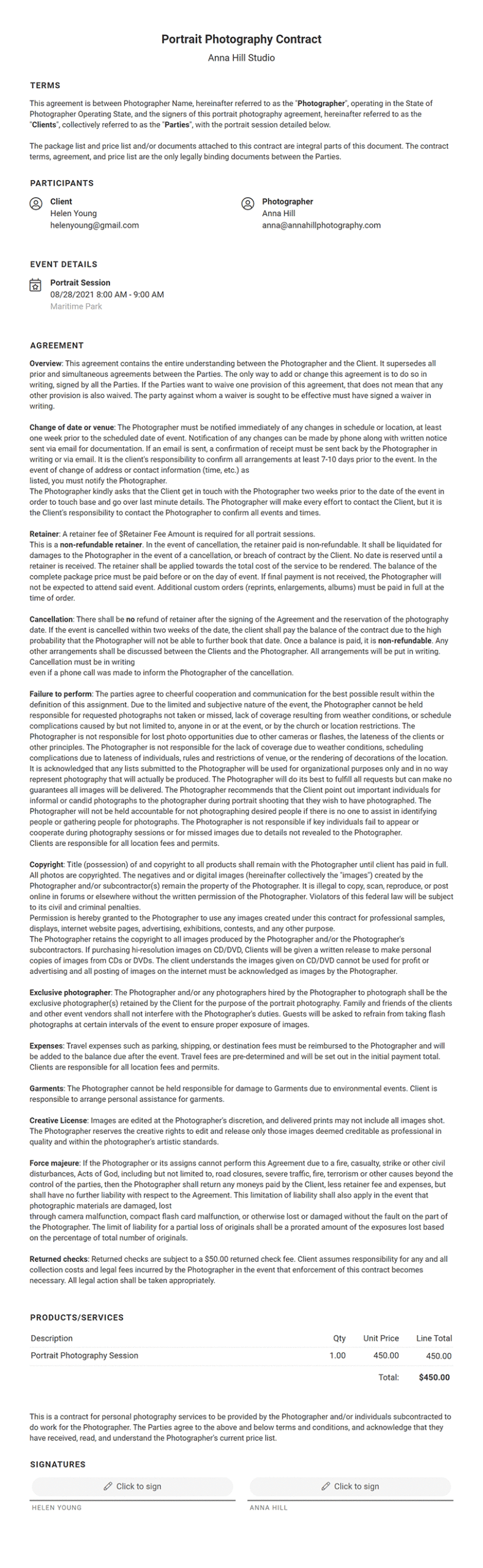
Setting up your legal paperwork might seem like a daunting task that takes away from your creative time, but it is actually one of the best things you can do for your artistic freedom. When you know that your payments, schedule, and image rights are secured by a written agreement, you can focus entirely on posing your subject and finding the best light. It gives you the confidence to run your business like a pro while building trust with your local community.
Key Components Every Senior Portrait Agreement Needs
The first thing any good contract should address is the identity of the parties involved. Since many high school seniors are still minors, you often need a parent or legal guardian to sign the document alongside the student. This ensures that the agreement is legally binding and that the person responsible for the financial side of the session is fully aware of the terms. Including full names, contact information, and the date of the session right at the top makes the document easy to reference later.
Beyond the basics, you should clearly define the scope of the session. This means listing how long the shoot will last, how many locations you will visit, and how many outfit changes are permitted. Being specific here prevents scope creep, where a one-hour session accidentally turns into a three-hour marathon because the client brought five extra sets of clothes. It helps manage expectations so that the senior knows exactly what to expect during their time in front of the camera.
Handling Money and Retainers
One of the most critical sections of your document involves the financial arrangements. Most photographers prefer to use a non-refundable retainer system to hold a specific date on their calendar. This protects you in case a client cancels at the last minute, leaving you with an empty slot that could have been filled by someone else. You should clearly state the total cost, when the final balance is due, and what methods of payment you accept to avoid any awkward conversations on the day of the shoot.
Additionally, you might want to include details about what happens if a payment is late. While we all hope for smooth transactions, having a small late fee policy in place can encourage clients to settle their invoices on time. Transparency about pricing for extra prints, digital downloads, or retouching services is also helpful. When clients see all the potential costs upfront, they feel more comfortable and are less likely to feel surprised by the final bill when the gallery is ready.
Image Rights and Delivery Timelines
In the age of social media, everyone wants to share their photos as soon as possible. Your senior portrait photography contract template needs to address who owns the copyright to the images and how the client is allowed to use them. Generally, the photographer retains the copyright while granting the client a license for personal use. This allows them to print the photos for their home and share them on digital platforms, but prevents them from selling the images to a third party or entering them into contests without your permission.
Finally, you should establish a realistic timeline for when the final gallery will be delivered. Whether it takes two weeks or a month to edit the images, putting it in writing prevents the client from sending constant messages asking about the status of their photos. You should also mention how the images will be delivered, whether it is through a password-protected online gallery or a physical storage device, so there is no confusion about the final product.
Maximizing Professionalism Through Better Communication
Using a standard form does more than just protect you legally; it elevates the entire experience for your clients. When a parent receives a polished, well-organized document, they immediately perceive you as a serious professional who takes their craft and their business seriously. It sets a tone of mutual respect and shows that you have thought through every detail of the process to ensure they get the best possible results. This level of organization can be the difference between a one-time client and a lifelong advocate for your brand.
You can also use your contract to address specific logistical details that might otherwise be forgotten during the initial consultation. For example, you might want to include a clause about what happens if the weather does not cooperate or if the photographer gets sick. Having a clear plan for rescheduling ensures that a rainy day does not turn into a customer service nightmare. Here are a few common items that photographers often include in their standard checklists to keep things running smoothly:
By integrating these details into your workflow, you create a seamless experience from the first inquiry to the final delivery. It allows you to build a reputation for being reliable and organized, which is essential for getting referrals in the competitive world of high school photography. Ultimately, a well-drafted document is an investment in your brand longevity and your personal peace of mind as a business owner who wants to succeed over the long term.
Taking the time to refine your paperwork is a small step that yields significant rewards over time. As you grow your portfolio and work with more diverse clients, you will find that having a solid structure in place allows you to navigate the busy graduation season with ease. It simplifies your administrative tasks and ensures that your creative energy is preserved for what truly matters: capturing the unique personality and spirit of the graduates you work with.
Your business deserves the security that comes with professional standards. By implementing a reliable system for your agreements, you are setting yourself up for a successful career filled with happy clients and beautiful images. Once you have your documentation sorted out, you can step out behind the lens with the certainty that you have built a firm foundation for every session you book during the year.