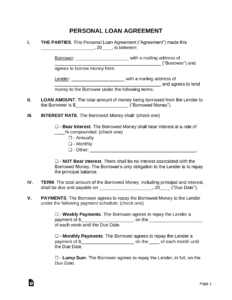
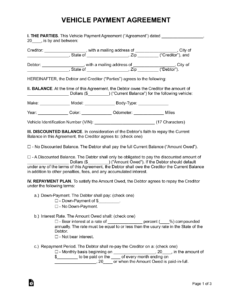
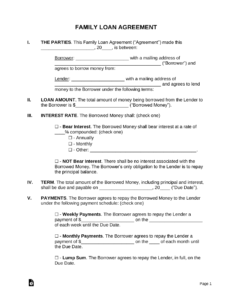
Starting a new business venture or expanding an existing one often requires a quick injection of capital to get things moving. Whether you are a startup founder looking for a small bridge loan or an investor seeking to capitalize on a brief opportunity, having a short term investment contract template is essential for protecting everyone involved. It serves as a roadmap for the financial relationship, ensuring that expectations regarding repayment and equity are clearly defined from the very beginning so that no one is left guessing about their responsibilities.
The beauty of short term investments lies in their agility. Unlike long term commitments that might span decades, these agreements are usually designed to wrap up within a few months or a couple of years. This speed allows investors to see a return on their capital much faster, which is particularly attractive in high growth industries like technology or real estate flipping. However, with speed comes a unique set of risks, making the legal documentation even more critical to prevent misunderstandings that could lead to costly disputes.
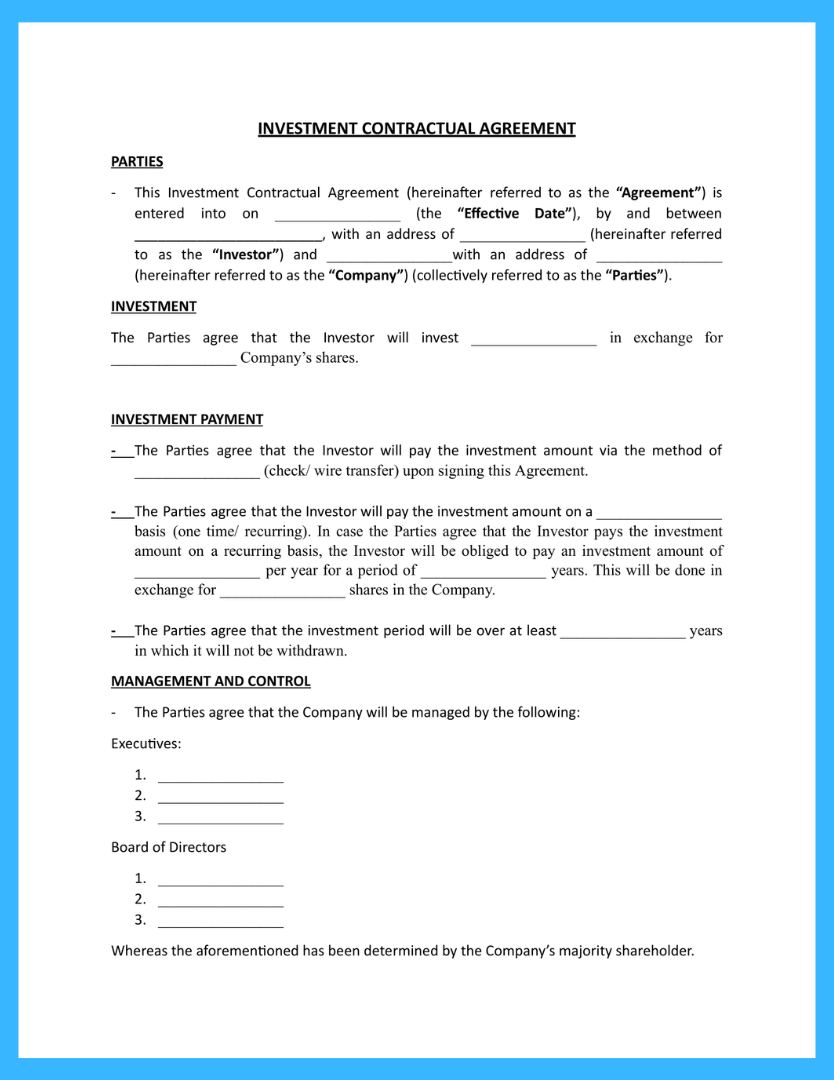
When you use a professional framework for your deal, you are doing more than just putting numbers on a page. You are building trust between parties. A solid agreement shows that the business is organized and that the investor is serious about their contribution. It bridges the gap between a casual conversation over coffee and a legitimate financial partnership. By setting these boundaries early, both the recipient of the funds and the provider can focus on what they do best: growing the value of the project at hand.
Understanding the Core Components of Your Agreement
Before you dive into the specifics of your deal, it is important to understand what makes these contracts tick. Every agreement needs to start with a clear identification of who is involved. This includes the legal names of the individuals or entities, their addresses, and their roles in the transaction. By clearly defining the investor and the company, you establish the legal entities that will be held accountable if any part of the agreement is not met. This prevents confusion if the business is part of a larger corporate structure.
The next major section usually involves the specific amount of money being provided. It sounds simple, but you need to be very precise here. Is the investment being made in a single lump sum, or will it be distributed in phases based on certain milestones? Clarity here ensures that the business knows exactly when they can expect to have cash on hand to fund their operations. It also protects the investor from being asked for more money than they originally committed to the project.
Defining the Purpose and Use of Funds
Transparency is the lifeblood of any good financial partnership. Investors generally want to know exactly where their money is going. A well drafted short term investment contract template will often include a section detailing the intended use of the funds. Whether the capital is earmarked for purchasing inventory, launching a marketing campaign, or hiring key staff members, specifying the purpose helps keep the business accountable. This level of detail provides the investor with peace of mind knowing their capital is not being diverted to unrelated expenses.
In addition to how the money is used, you must define the expected return. Since we are dealing with a short timeframe, the return is often structured as a fixed interest rate or a specific percentage of revenue over a set period. Unlike long term equity deals where an investor might own a piece of the company forever, short term deals often focus on a quick exit. Setting these financial expectations early avoids awkward conversations later when it is time to settle the books.
Timeline and Termination Clauses
The timeline is perhaps the most defining characteristic of a short term deal. You need to establish an expiration date for the contract or a specific event that triggers the end of the agreement. For instance, the contract might conclude once the investor has received a specific multiple of their initial investment or after twelve months have passed. Having a clear end date allows both parties to plan their future financial moves without being tied down indefinitely.
Finally, no contract is complete without a plan for what happens if things do not go as expected. Termination clauses outline the conditions under which the agreement can be ended early by either party. This could include a breach of contract, a failure to meet performance milestones, or even a mutual decision to part ways. Including these details might seem pessimistic, but it is actually a vital form of protection that ensures a clean break if the partnership is no longer serving its intended purpose.
How to Customize Your Document for Success
While a general framework is a great starting point, every business deal has its own unique quirks that need to be addressed. You should never view a template as a finished product that is ready to sign immediately. Instead, look at it as a foundation that you can build upon. You might need to add specific clauses that relate to your industry, such as intellectual property rights if you are in the tech sector, or collateral requirements if you are dealing with physical assets like machinery or real estate.
Communication is the key during the customization phase. Both the investor and the business owner should sit down and walk through the terms together. This is the time to ask the “what if” questions. What if the project takes longer than expected? What if the market shifts? By talking through these scenarios, you can tweak the language of the contract to ensure it is fair and balanced. A contract that feels one sided is much more likely to result in friction down the road.
To make sure your document is as robust as possible, consider including several standard legal protections that are common in the financial world. These additions help cover the administrative side of the partnership and ensure that both parties are operating under the same rules. Here are some common elements you might want to include:
Once you have tailored these details to fit your specific situation, the document becomes a powerful tool for growth. It moves from being a simple piece of paper to a strategic asset that facilitates professional investment. Always remember that the goal of the contract is to provide clarity and security so that both parties can move forward with confidence and focus on achieving their shared financial objectives.
Navigating the world of finance can often feel overwhelming, but having the right tools makes all the difference. By utilizing a clear and comprehensive approach to your agreements, you set the stage for a productive relationship. The effort you put into the documentation today will pay off in the form of fewer headaches and a much smoother path toward your goals. It is all about creating a professional environment where everyone knows their role and the path to success is clearly marked.
As you move forward with your project, remember that the best partnerships are built on a foundation of mutual respect and clear communication. A well structured agreement is the ultimate expression of that respect. It protects the hard earned capital of the investor and the vision of the entrepreneur. With your financial protections in place, you are ready to take on the challenges of the market and turn your short term plans into a long term history of success.