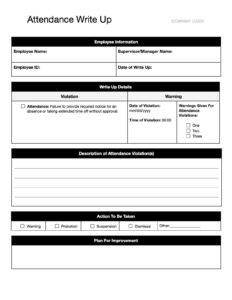
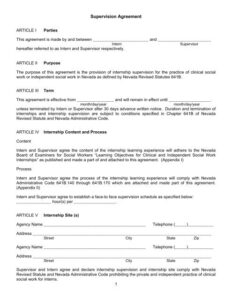
In the world of social work, building trust and maintaining professional boundaries are paramount. A well-crafted social work client contract template isn’t just a formality; it’s a cornerstone of ethical practice and a clear communication tool. It lays out the expectations, rights, and responsibilities for both the social worker and the client, ensuring that everyone is on the same page from the very beginning of their professional relationship.
Think of it as a roadmap for your therapeutic journey together. Without a clear map, it’s easy to get lost, misunderstand directions, or even take unexpected detours. A robust contract prevents many potential pitfalls by addressing key aspects of the professional relationship upfront, fostering an environment of clarity and mutual respect.
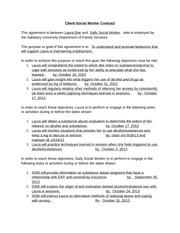
For busy social workers, creating a comprehensive contract from scratch can be a daunting task. That’s where a meticulously designed template becomes invaluable, providing a solid foundation that can be adapted to suit specific practice areas and client needs, ensuring no critical element is overlooked.
Why a Robust Client Contract is Non-Negotiable in Social Work
A comprehensive client contract serves multiple vital functions beyond mere legal protection. It actively contributes to the therapeutic process by establishing a clear, predictable, and safe environment. When clients understand the parameters of the service, they can engage more fully and with greater confidence, knowing exactly what to expect from their social worker and what is expected of them in return.
One of the primary benefits is the establishment of clear expectations and professional boundaries. This document articulates the scope of services, the nature of the interventions, and the roles and responsibilities of all parties involved. It helps prevent misunderstandings about what can and cannot be achieved, managing client expectations realistically and promoting a healthy professional distance that is essential for effective practice.
Ethical practice is another huge reason to prioritize a solid contract. Social work is guided by a strong code of ethics, and many of these principles are operationalized through the client contract. For instance, the contract should clearly outline confidentiality policies, including the limits to confidentiality, which are crucial for client safety and trust. This transparency builds rapport and demonstrates the social worker’s commitment to ethical standards.
Furthermore, a contract provides an important layer of protection for both the client and the social worker. It serves as a reference point should any disagreements or misunderstandings arise, offering a written record of what was agreed upon. This can be particularly helpful in navigating complex situations or addressing concerns about professional conduct, ensuring that both parties have recourse and a framework for resolution.
Financial transparency is also a critical component. A contract details information regarding fees, payment schedules, and policies for cancellations or missed appointments. This eliminates ambiguity around financial commitments, allowing clients to make informed decisions and preventing awkward or uncomfortable conversations about money further down the line, which could otherwise impede the therapeutic relationship.
Lastly, a well-defined contract addresses emergency procedures and crisis protocols. Knowing what steps will be taken in an emergency provides immense reassurance to clients and equips social workers with a clear action plan. This proactive approach to potential crises underscores a commitment to client safety and professional preparedness.
Essential Components of Your Social Work Client Contract Template
When developing or customizing your social work client contract template, it is crucial to ensure that it encompasses all the necessary information to protect both your practice and your clients. The goal is to be comprehensive yet clear, avoiding jargon where possible so that clients can easily understand their agreement.
A good template should be structured logically, moving from general identifying information to specific service details, ethical considerations, and practical arrangements. It should not only outline what the social worker will do but also what the client’s responsibilities entail, promoting a collaborative and accountable relationship.
Here are some key elements that should be included in any robust template:
- Identification of Parties Full legal names and contact information for both the social worker/agency and the client.
- Purpose and Goals of Services A clear statement outlining the objectives of the social work intervention.
- Description of Services and Interventions Details about the types of services to be provided, methods used, and frequency of contact.
- Confidentiality Statement An explanation of how client information will be protected.
- Limits of Confidentiality Specific situations where confidentiality may be breached (e.g., harm to self or others, mandated reporting).
- Emergency Contact and Protocol Information on who to contact in an emergency and the procedures to follow.
- Fees and Payment Schedule Clear information on costs, payment methods, and billing cycles.
- Cancellation and No-Show Policy Rules regarding missed appointments and their associated fees.
- Client Rights and Responsibilities A list of client entitlements and obligations within the professional relationship.
- Social Worker Rights and Responsibilities The social worker’s professional duties and boundaries.
- Termination of Services Conditions under which the professional relationship may end.
- Grievance Procedures Steps clients can take if they have concerns or complaints.
- Informed Consent Affirmation that the client understands and agrees to the terms.
- Signatures and Dates Spaces for both parties to sign and date, indicating their agreement.
Investing the time to create or adapt a thorough contract is an investment in the integrity and effectiveness of your social work practice. It provides a solid foundation for every client relationship, fostering an environment of trust, transparency, and professional accountability. This document becomes a valuable asset, guiding interactions and ensuring that both social workers and clients can navigate their journey together with confidence and clarity.
Ultimately, a well-structured client contract offers peace of mind. For social workers, it means operating within clear ethical and professional guidelines. For clients, it means understanding their rights, responsibilities, and the framework of the support they are receiving. Embracing a comprehensive template ensures that these critical elements are consistently met, enhancing the quality and safety of social work services for everyone involved.