Stepping into the world of freelance software development offers incredible freedom and exciting project opportunities. However, navigating client relationships without a clear agreement can quickly lead to misunderstandings, delays, and even payment disputes. That is precisely why having a robust software developer freelance contract template at your fingertips is not just convenient it is absolutely essential for protecting your interests and ensuring smooth project execution.
A well-drafted contract serves as the backbone of your professional relationship with any client. It spells out expectations for both parties, clarifies deliverables, defines payment structures, and outlines what happens in various scenarios. Think of it as your professional shield and roadmap all rolled into one document. Without it, you are essentially operating on a handshake, which rarely holds up when complexities arise.
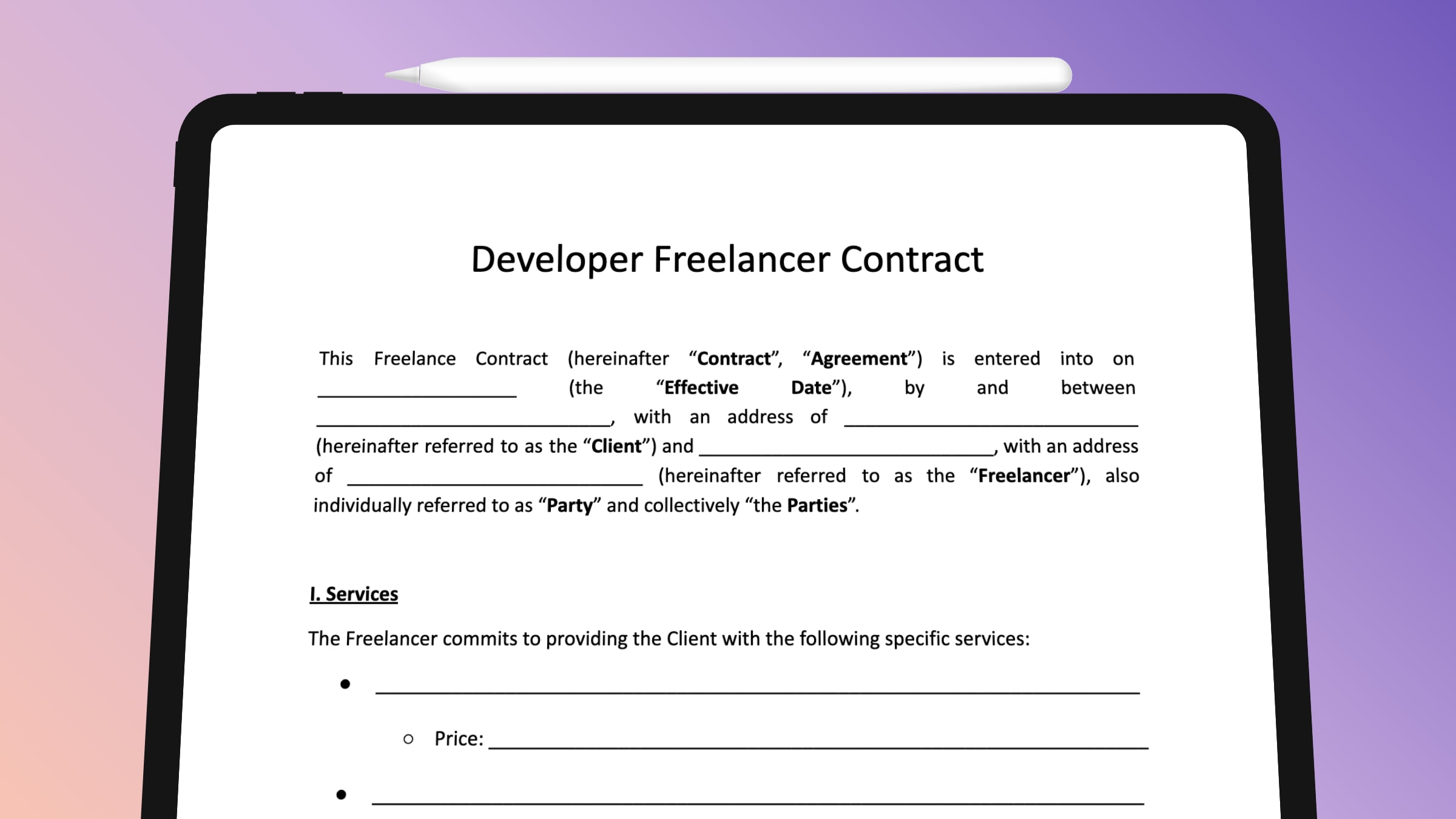
This article will guide you through the critical elements every freelance software developer needs to include in their contracts. From defining project scopes to managing intellectual property and setting clear payment terms, we will cover the foundational aspects that empower you to work confidently and secure your financial and creative rights.
Essential Clauses for Your Freelance Software Development Agreement
Crafting a comprehensive contract means diving into several key areas that protect both the freelancer and the client. Each clause serves a specific purpose in minimizing ambiguity and preventing potential conflicts down the line. It is about setting clear boundaries and expectations from day one, fostering a relationship built on trust and mutual understanding.
Defining the Scope of Work
This is arguably the most crucial section of your contract. It explicitly details what software development services you will provide. Avoid vague language at all costs. List specific deliverables, features, functionalities, technologies to be used, and any agreed-upon milestones. Include deadlines for each phase and a clear definition of what constitutes project completion. Misunderstandings about the scope are a leading cause of project friction, so be as precise as possible here.
Payment Terms and Schedule
Your contract must clearly state how much you will be paid, when, and by what method. This includes your hourly rate or fixed project fee, any upfront deposits required, and the schedule for progress payments. Detail what happens if payments are late, including any late fees or interest charges. Also, consider including a clause for out-of-pocket expenses and how they will be reimbursed. Transparency in this area is key to a healthy financial relationship.
Intellectual Property Rights
Who owns the code you write? This question needs a definitive answer in your contract. Typically, as a freelancer, you will assign the intellectual property rights to the client upon full payment. However, specific details are critical. What about pre-existing code or libraries you use? What if the client provides existing code? This section should clarify the ownership of all developed materials and any third-party components incorporated.
Confidentiality and Non-Disclosure
Many software development projects involve access to sensitive company information, trade secrets, or proprietary data. A strong confidentiality clause ensures that you, as the freelancer, will protect this information and not disclose it to any third party. This often goes hand-in-hand with a separate Non-Disclosure Agreement NDA, but having a clear clause within the main contract reinforces this obligation.
Termination Clauses and Dispute Resolution
What if the project needs to end early, either by you or the client? A termination clause outlines the conditions under which the contract can be terminated, the notice period required, and the financial implications for both parties. This includes payment for work already completed. Additionally, consider including a dispute resolution clause that specifies how disagreements will be handled, such as through mediation or arbitration, before resorting to litigation. This can save significant time and legal fees if problems arise.
Warranties and Indemnification
You will want to include clauses outlining the warranties you provide for your work, such as ensuring the software performs according to specifications for a certain period. Similarly, an indemnification clause protects you from liabilities if the client’s use of the software causes harm or infringement, provided you have met your contractual obligations. These clauses clarify responsibilities and limit your exposure.
Tailoring Your Contract and Understanding Legal Nuances
While a comprehensive software developer freelance contract template provides an excellent starting point, it is crucial to remember that it is just that a template. Every project and every client relationship is unique, necessitating careful customization of your agreement to fit the specific circumstances. Blindly using a generic document could leave you exposed to risks that a tailored contract would prevent.
When adapting your template, consider the specific needs of the project. Is it a short-term bug fix or a long-term enterprise solution? What are the client’s industry-specific requirements or regulatory considerations? Think about the technology stack involved and any particular licensing issues that might arise. The more detailed and specific your contract is to the current engagement, the better it will serve both parties.
It is also incredibly important to understand that contracts are governed by law, and legal requirements can vary significantly by jurisdiction. What is standard practice in one country or state might not hold up in another. Therefore, while a template offers a strong foundation, it is highly advisable to seek legal counsel to review your customized contract, especially for high-value projects or new client relationships. An attorney can ensure your agreement is legally sound, enforceable, and fully protects your interests within the relevant legal framework.
A well-constructed and thoughtfully customized contract acts as a pillar of professionalism, providing peace of mind for both you and your clients. It streamlines communication, clarifies expectations, and mitigates potential risks, allowing you to focus on what you do best: developing outstanding software. Investing time in perfecting your freelance agreement is an investment in the long-term success and stability of your independent career.
By establishing clear, legally sound agreements from the outset, you empower yourself to build stronger client relationships based on trust and mutual understanding. This proactive approach not only protects your hard work and financial security but also elevates your professional standing in the competitive world of freelance software development.