Calling a special general meeting can often feel like navigating a complex maze of rules and regulations. Whether you’re part of a homeowners association, a non-profit organization, or a corporate entity, these meetings are typically convened for urgent matters that simply cannot wait for the annual general assembly. Getting the word out correctly and efficiently to all eligible members is not just a courtesy; it’s usually a legal and procedural requirement to ensure the meeting and any decisions made there are valid.
The key to a smooth process lies in clear, comprehensive communication right from the start. Members need to know exactly why they’re being called together, what will be discussed, and when and where they need to be present. This is where a well-structured special general meeting notice template becomes an invaluable asset, ensuring you cover all your bases and avoid any potential disputes or invalidated resolutions due to improper notification.
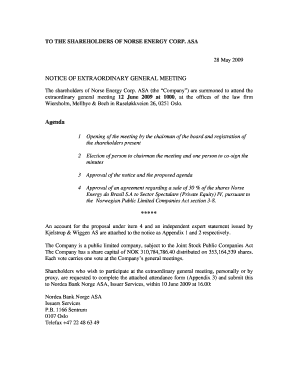
This guide will walk you through the essential components of an effective notice, offer best practices for drafting one, and provide you with a framework that you can easily adapt for your specific organizational needs. We aim to simplify what can sometimes feel like an overwhelming task, empowering you to confidently call your next special general meeting.
The Indispensable Role of a Meticulous Meeting Notice
A carefully prepared notice for a special general meeting isn’t merely a formality; it’s a cornerstone of good governance and transparent operations for any organization. Think of it as the official invitation that sets the stage for a crucial discussion. Without a proper notice, even the most important decisions made at a meeting could be challenged, potentially leading to costly legal battles, internal disputes, and a loss of trust among members. It ensures that everyone has an equal opportunity to be informed and participate.
Furthermore, most organizational bylaws, articles of association, or governing statutes will outline specific requirements for meeting notices. These often dictate the minimum notice period, the information that must be included, and even the methods of delivery. Falling short on any of these requirements can render the meeting’s outcomes null and void. Therefore, understanding and adhering to these legal and internal stipulations is paramount.
A clear notice also serves to prevent misunderstandings and unnecessary confusion. It explicitly states the purpose of the meeting, which helps members prepare for the discussion and arrive informed. This transparency builds confidence within the membership, showing that the leadership respects their time and their right to be fully engaged in significant organizational matters. It primes participants to engage constructively, knowing exactly what to expect.
The notice essentially acts as the official record that due process was followed. Should there ever be questions about the legitimacy of a meeting or its decisions, the notice document provides concrete evidence that all stakeholders were appropriately informed according to established protocols. This record-keeping aspect is vital for compliance and maintaining the integrity of the organization’s decision-making process.
Finally, a well-crafted notice fosters better attendance and more productive meetings. When members understand the urgency and significance of the agenda items, they are more likely to prioritize their presence. It allows them to arrange their schedules, review relevant documents, and even consult with others if necessary, leading to more informed debates and robust decision-making.
Key Elements to Include in Your Notice
- Official Meeting Title: Clearly state it’s a Special General Meeting.
- Organization’s Full Name: Ensure there’s no ambiguity about which entity is calling the meeting.
- Date, Time, and Location: Specify the exact day, time, and physical or virtual address of the meeting.
- Purpose or Agenda: This is crucial. Detail the specific reasons for the meeting and the items to be discussed and voted upon. Be as precise as possible.
- Eligibility for Attendance: Clarify who is invited and eligible to attend, usually defined by membership status.
- Quorum Requirements: State the number or percentage of members required to be present for the meeting to be valid.
- Voting Procedures and Proxy Information: Explain how voting will take place (in person, by ballot, virtually) and provide details on proxy voting if allowed, including deadlines for submission.
- Relevant Documents: Mention any supporting documents that members should review before the meeting and how to access them.
- Contact Information: Provide a point of contact for members who have questions or need further information.
- Signature and Date of Issuance: The notice should be signed by an authorized individual (e.g., Secretary) and dated.
Constructing Your Notice: Best Practices and a Flexible Framework
When you’re ready to draft your special general meeting notice template, remember that clarity and precision are your best friends. Avoid jargon where possible, and always aim for straightforward language that every member can understand. The goal is to inform, not to confuse. A well-designed template allows you to populate the necessary details quickly for each new meeting, saving time and ensuring consistency across all communications. Think about structuring your template in distinct sections, making it easy for members to quickly locate the information most relevant to them.
Starting with a strong, unambiguous subject line is key, especially if you’re sending the notice electronically. Something like “Official Notice of Special General Meeting Regarding [Brief Purpose]” immediately conveys the importance. Within the body, ensure that the date of issue is prominent, as this is vital for confirming that the required notice period has been met according to your organization’s bylaws. Consistency in formatting, such as using headings for different sections (like “Meeting Details” or “Agenda Items”), also significantly enhances readability and professionalism.
A robust template will offer placeholders for all the crucial information we discussed earlier, from the meeting’s precise location to the contact details for inquiries. It should prompt you to include specific dates for proxy submissions or document access, leaving no room for oversight. By utilizing a comprehensive special general meeting notice template, you establish a reliable procedure for all future urgent convocations, strengthening your organization’s communication practices and adherence to governance standards.
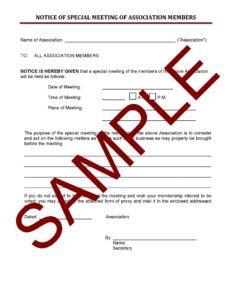
Creating a template often involves these key sections:
- [Organization Name]
- NOTICE OF SPECIAL GENERAL MEETING
- Dear Members,
- Please take notice that a Special General Meeting of [Organization Name] will be held on:
- Date: [Date of Meeting]
- Time: [Time of Meeting] [Time Zone]
- Location: [Physical Address or Virtual Meeting Platform Details]
- Purpose of the Meeting: [Clearly state the specific, urgent reason(s) for the meeting and the items to be discussed and/or voted upon. Be precise and avoid vague language.]
- Eligibility to Attend and Vote: [Specify who is eligible (e.g., “All current active members as of [Record Date]”).]
- Quorum: [State the number or percentage of members required for a valid meeting.]
- Proxy Voting: [If allowed, explain the process for appointing a proxy, including any forms and deadlines.]
- Supporting Documents: [List any documents members should review and how they can access them (e.g., “Attached herewith,” “Available on our website at [Link],” “Contact [Name/Email] to request a copy”).]
- Your attendance is highly encouraged as matters of significant importance will be discussed.
- Issued on: [Date of Notice Issuance]
- By: [Name of Authorized Signatory, e.g., Secretary]
- [Title of Signatory]
- Contact for Inquiries: [Email Address or Phone Number]
Ensuring every member is properly notified for a special general meeting is more than just checking a box; it’s about upholding democratic principles within your organization and fostering an environment of trust and participation. A well-crafted notice sets the stage for productive discussions and legitimate decision-making, ensuring that the critical matters at hand are addressed with the full backing and understanding of the membership.
Having a standardized, adaptable notice template ready to go streamlines the entire process significantly. It reduces the risk of overlooking essential information, ensures compliance with your governing documents, and ultimately saves valuable time and resources. By leveraging a comprehensive framework, you empower your organization to respond swiftly and professionally when urgent matters arise, maintaining operational integrity and member confidence.