Ending a tenancy agreement can sometimes be more complex than simply packing your bags and handing over the keys. While most leases have a fixed term or specific notice periods for ending the agreement, there are situations where both a tenant and a landlord might agree to conclude the tenancy earlier than planned. This mutual agreement is often referred to as a “surrender of tenancy.”
Navigating this process correctly is vital for both parties to avoid future disputes and ensure a smooth transition. That’s where a well-crafted surrender of tenancy notice template becomes incredibly useful. It provides a structured way to formally communicate the intention and terms of ending the lease by mutual consent, protecting everyone involved legally.
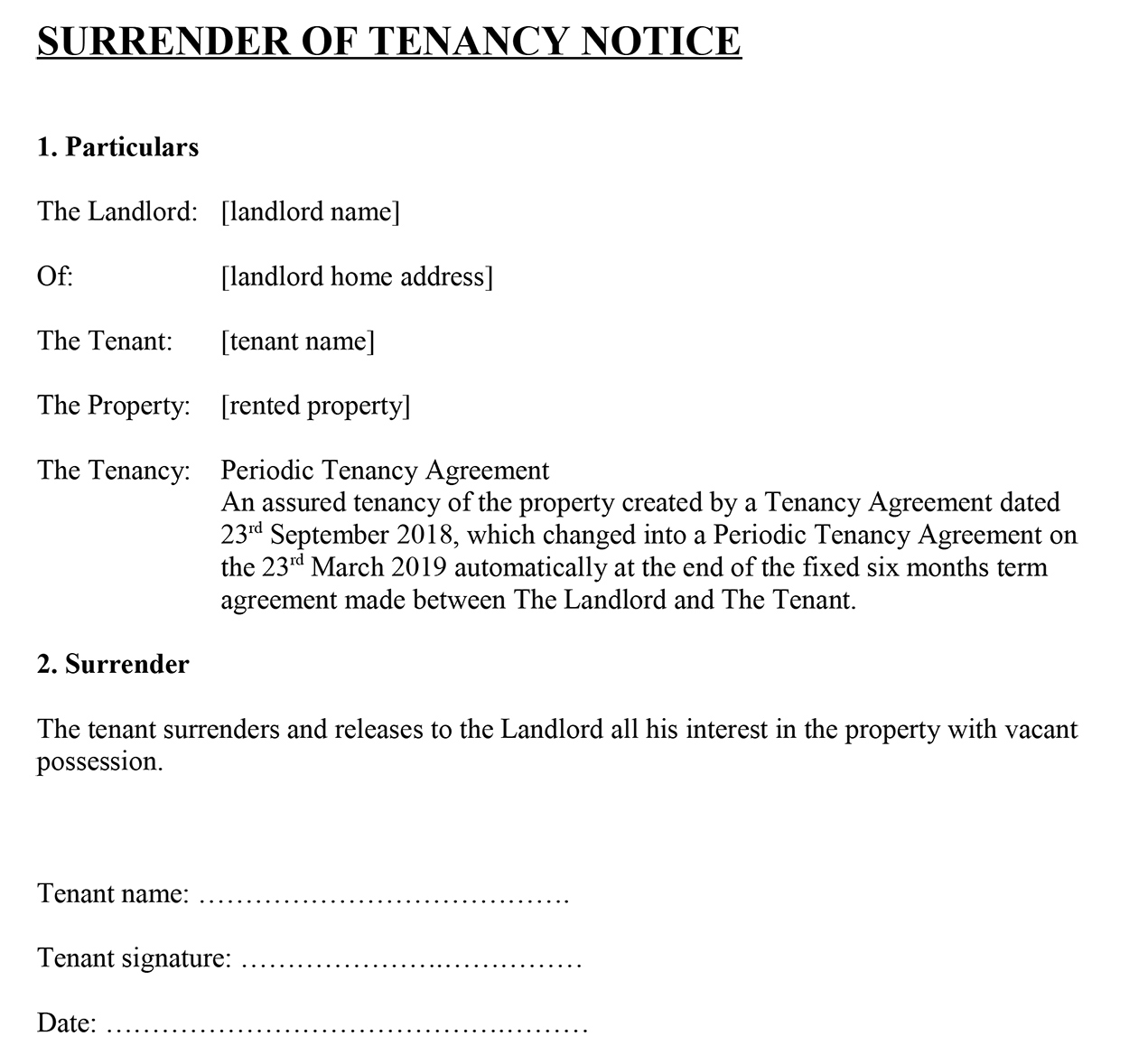
This article will guide you through understanding what a surrender of tenancy entails, why a formal notice is indispensable, and what essential elements you should include when preparing your own document.
Understanding Surrender of Tenancy
A surrender of tenancy isn’t just a casual conversation about moving out; it’s a specific legal mechanism where both the tenant and the landlord mutually agree to terminate a lease agreement before its natural expiry or before any break clause can be activated. Imagine you’ve had a change in circumstances – perhaps a new job in a different city, or the landlord needs the property back for personal use. Instead of waiting out the lease or breaking it unilaterally (which can have financial penalties), a surrender allows for a clean, consensual break.
This differs significantly from a standard notice to quit, which is typically issued by either party according to the terms of the lease or statutory requirements. A notice to quit usually implies one party ending the agreement based on their right to do so, whereas a surrender requires active agreement from both sides. It’s about collaboration to find a solution that works for everyone, bringing the contractual obligations to an early end.
The importance of a formal notice in this process cannot be overstated. Without a written agreement, proving that a surrender occurred can be incredibly difficult, leaving both parties vulnerable. For instance, without a clear document, a tenant might still be liable for rent, or a landlord might struggle to repossess the property legally. A notice acts as clear evidence of the agreement and its terms.
Key Elements of a Valid Surrender Notice
- Names of Parties: Clearly state the full legal names of the tenant(s) and the landlord(s) involved.
- Property Address: Provide the complete address of the rental property to avoid any ambiguity.
- Proposed Surrender Date: Specify the exact date on which the tenancy is agreed to end and possession will be handed back. This is crucial for calculating any outstanding rent or charges.
- Reason for Surrender: While not strictly mandatory, briefly stating the reason (e.g., “by mutual agreement to terminate the tenancy early due to change in tenant’s employment”) can add clarity.
- Agreement on Liabilities: Outline any specific agreements regarding outstanding rent, utility bills, or deposit deductions. For example, confirmation that the tenant is released from future rent obligations from the surrender date.
- Signatures and Date: Both the tenant(s) and landlord(s) must sign and date the document, signifying their full agreement to the terms.
Ensuring all these details are included makes the notice robust and legally sound. It leaves little room for misunderstanding or future disputes about the specifics of the agreement. Think of it as drawing a clear line under the tenancy relationship.
Ultimately, a written surrender notice serves as a vital piece of legal documentation. It protects the tenant from ongoing rent liability and the landlord from difficulties in regaining possession or re-letting the property. Always remember that verbal agreements, while sometimes legally binding, are notoriously difficult to prove in a court of law, making a paper trail indispensable.
Crafting Your Surrender Notice
When it comes to preparing your surrender notice, using a reliable surrender of tenancy notice template can be an excellent starting point. These templates are designed to ensure you cover all the necessary legal and practical points, often providing pre-formatted sections for the names, addresses, and dates. It saves you the hassle of remembering every single detail and helps ensure your document is professional and complete. Just remember to tailor it precisely to your unique circumstances and fill in all the blanks accurately.
Once you’ve meticulously filled out your template and both parties have agreed on the terms, the next crucial step is the proper delivery of the notice. It’s recommended to send the notice via a method that provides proof of delivery, such as certified mail with a return receipt, or hand-delivery with an acknowledgment of receipt signed by the other party. This documentation is invaluable should any questions arise later regarding whether the notice was received and when.
What if the landlord doesn’t agree to an early surrender, or there are complications? It’s important to understand that a surrender, by its nature, requires mutual consent. If your landlord isn’t open to an early termination, you might need to revert to the original terms of your lease, such as serving a standard notice to quit according to the specified notice period or activating any break clauses. In such cases, seeking independent legal advice from a housing solicitor or a tenant advisory service can help clarify your rights and obligations.
Formalizing the end of a tenancy, especially when it’s an early termination, is a critical step for both tenants and landlords. By adhering to a clear, written process, everyone involved can safeguard their interests and ensure a clean break without lingering legal or financial uncertainties. It establishes a definitive end date and confirms that all parties are in agreement, paving the way for the property to be re-let or for the tenant to move on without worry.
Taking the time to prepare and properly serve a surrender of tenancy notice template, or any similar agreement, ultimately fosters transparency and prevents misunderstandings. If you ever find yourself in a situation requiring an early tenancy termination, remember the value of clear communication and formal documentation. When in doubt, consulting with a legal professional can provide peace of mind and ensure you comply with all local housing regulations.