Navigating the complexities of landlord tenant relationships can be challenging, and sometimes, unfortunate situations arise that require formal action. Whether you are a seasoned property manager or a first-time landlord, understanding the legal process for resolving issues like unpaid rent or lease violations is crucial for protecting your investment and ensuring fair treatment for everyone involved. It is never an easy decision to begin an eviction process, but knowing the correct steps is essential.
When faced with a tenant who has failed to pay rent or has committed a serious lease violation, a formal notice is often the first legal step. This is where a well-prepared three day eviction notice template becomes an indispensable tool. This document serves as a clear, legally recognized communication, informing the tenant of their breach of the lease agreement and providing them a short window to either remedy the situation or vacate the property. Using a proper template helps ensure you comply with legal requirements from the outset.
This article will guide you through the intricacies of the three day eviction notice, explaining its purpose, when it should be used, and the vital information you need to include. We will also touch upon the importance of understanding your local laws, as eviction procedures can vary significantly from one jurisdiction to another. Our goal is to equip you with the knowledge to handle these sensitive situations professionally and lawfully, minimizing stress for all parties.
Understanding the Three-Day Eviction Notice and Why It’s Used
A three day eviction notice is a formal legal document that a landlord issues to a tenant, typically demanding either the payment of overdue rent or the cessation of a lease violation within a three day period, or else the tenant must move out. It is important to grasp that this notice itself is not an eviction order; rather, it is the first mandatory step in the legal eviction process. Its primary purpose is to provide the tenant with official notification of the landlord’s intent to terminate the lease and pursue eviction if the tenant does not comply with the notice’s demands.
The most common reason for issuing a three day notice is non-payment of rent. In many jurisdictions, if a tenant fails to pay rent by the due date, landlords can issue this notice, giving the tenant three days (not counting weekends or holidays in some areas) to pay the full amount due. If the tenant pays within this timeframe, the notice is usually voided, and the tenancy continues. However, a three day notice can also be used for other significant lease violations, depending on local laws. These violations are often severe enough that the landlord wants the tenant to rectify the issue immediately or vacate.
The specific rules governing three day notices vary significantly by state and even by local county or city ordinances. Some areas might have specific requirements for how the notice must be served, what information it must contain, and how the three day period is calculated. For instance, some states allow a “cure or quit” notice for certain violations, meaning the tenant can fix the problem. Other violations, like illegal activity on the premises or severe property damage, might result in an “unconditional quit” notice, where the tenant simply has to leave without an option to remedy the issue.
It is crucial for landlords to understand their specific local laws before issuing any eviction notice. Incorrectly filling out or serving a notice can invalidate the entire eviction process, leading to costly delays and potential legal challenges. Seeking legal counsel or carefully reviewing state landlord tenant handbooks is always a wise step to ensure full compliance and avoid procedural errors that could complicate or stall an eviction.
This initial notice serves as a formal record of communication, demonstrating that the landlord has taken the legally required preliminary steps before filing an unlawful detainer lawsuit in court. It provides the tenant with a clear opportunity to resolve the issue, potentially avoiding further legal action and maintaining their tenancy.
Common Reasons for Issuing a Three-Day Notice
- Non-payment of rent or utilities as stipulated in the lease agreement
- Significant and recurring violations of lease terms, such as unauthorized pets or excessive noise disturbances
- Damage to the rental property beyond normal wear and tear
- Subleasing the property without explicit landlord permission
- Engaging in illegal activities on the premises
Filling Out Your Three-Day Eviction Notice Template: Key Information You’ll Need
When it comes to preparing your notice, precision is paramount. Using a reliable three day eviction notice template is a great start, but accurately filling it out with all the necessary details is what makes it legally effective. Any omissions or inaccuracies could lead to delays or even dismissal of your case if it proceeds to court. Therefore, taking your time and double checking every piece of information before serving the notice is a non-negotiable step.
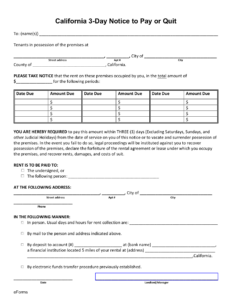
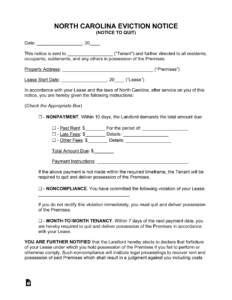
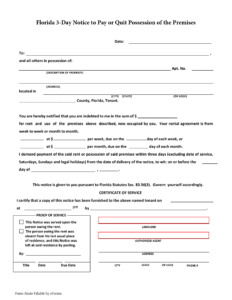
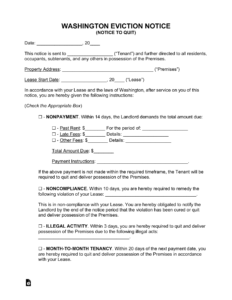
The template should guide you on what information to include, but here is a breakdown of the critical elements you will need to provide. Start with the full and correct legal names of all tenants on the lease agreement, as well as the full names of all landlords or the property management company. Include the complete address of the rental property, including unit numbers if applicable. The date the notice is issued is also vital, as it marks the beginning of the three-day period.
Crucially, you must clearly state the reason for the notice. If it is for non-payment of rent, specify the exact amount due, including any late fees, and the period for which it is owed. If it is for a lease violation, describe the specific violation in detail, referencing the relevant clause in the lease agreement if possible. The notice must also clearly state the action required from the tenant: either to pay the amount due or cure the violation, or to vacate the premises by the end of the three-day period. Finally, the landlord or an authorized agent must sign and date the notice.
- Full legal names of all tenants
- Complete address of the rental property
- The exact date the notice is being issued
- A precise statement of the reason for the notice, including specific amounts for overdue rent or detailed descriptions of lease violations
- The specific demand for the tenant: either pay/cure or quit (vacate)
- The deadline for compliance, typically three calendar days from service, but check local laws for exact calculation (excluding weekends/holidays)
- Landlord’s or authorized agent’s signature and printed name
- Clear instructions on how the tenant can remedy the situation, if applicable
After the three-day period has elapsed and the tenant has not complied with the notice, the landlord can then proceed to file an unlawful detainer lawsuit with the court. This next phase officially initiates the legal eviction process. It is a critical juncture where landlords must have meticulously followed all prior legal steps, including the proper creation and service of the notice. Any misstep here can be costly.
Understanding and correctly utilizing a formal notice like the three day eviction is not just about adhering to legal requirements; it is also about maintaining a professional and fair approach to managing rental properties. This documentation provides a clear pathway for both landlords and tenants to understand their rights and responsibilities during a difficult time, emphasizing the serious nature of the situation and the necessary legal response.