Navigating the world of professional photography can often feel like you are learning a whole new language, especially when it comes to the legal side of things. One of the most common requests from commercial clients today is the desire for full flexibility with the images they purchase. This is where having a reliable unlimited usage rights photography contract template becomes an essential tool for your business. It allows you to provide the freedom your clients crave while ensuring that you are still protected as the original creator of the work.
Many photographers shy away from the word unlimited because it sounds like they are giving away the keys to the kingdom. However, in a fast paced digital marketing environment, clients often need to use images across social media, print ads, and websites without coming back for a new license every single time. By setting up a clear agreement from the start, you eliminate the back and forth emails and potential misunderstandings that can sour a professional relationship.
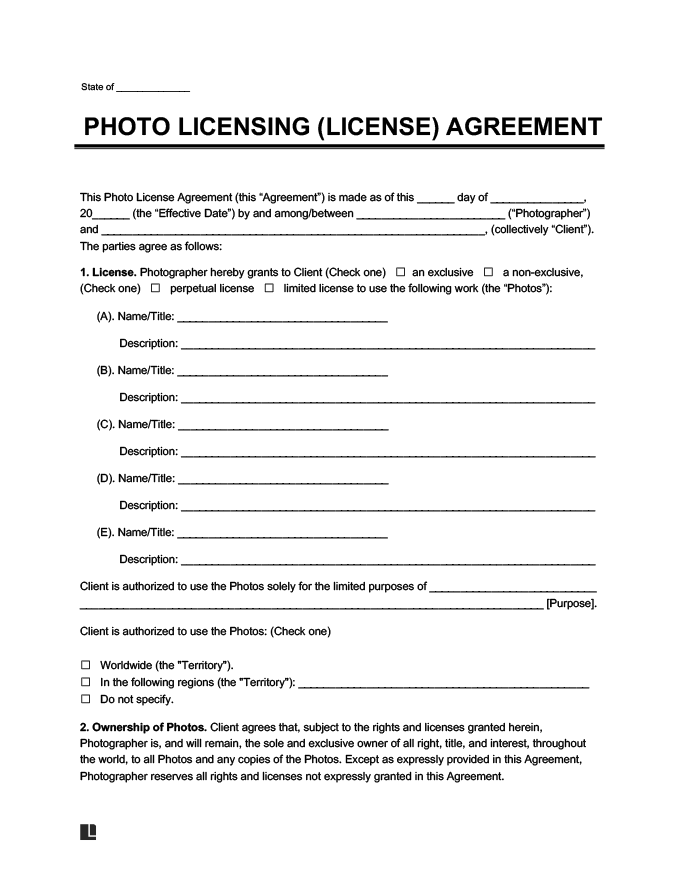
In this guide, we are going to dive deep into what these rights actually entail and how you can draft a document that satisfies everyone involved. Whether you are a seasoned pro or just starting your freelance journey, understanding the nuances of usage rights will help you price your services more effectively and build long term trust with your clientele.
Understanding the Nuances of Unlimited Usage
When a client asks for unlimited usage, they are usually looking for the peace of mind that they will not be sued for using an image in a way they did not anticipate. It is a common misconception that unlimited usage is the same as transferring the copyright. As the photographer, you still own the legal rights to the image as the creator, but you are granting the client a very broad license to use it however they see fit. This distinction is crucial because it protects your portfolio and your right to be credited for your work.
The Difference Between Ownership and Licensing
Think of it like renting an apartment versus buying the building. When you grant unlimited usage rights, you are giving the client a permanent, high level lease. They can decorate, host parties, and stay as long as they want, but you still own the deed to the property. This allows you to include the work in your personal portfolio or entry into competitions, provided you have not signed away those specific rights in an exclusivity clause.
One of the biggest benefits of offering a clear contract is that it defines the boundaries of this unlimited freedom. Even if the usage is unlimited in terms of time and medium, you might still want to restrict the client from reselling the photos to stock agencies or third parties. Without a written agreement, these lines get blurred very quickly, and you might find your hard work being sold by someone else without your permission.
Why Pricing Matters for Broad Licenses
Because you are giving the client a significant amount of value, your pricing should reflect that. An unlimited usage rights photography contract template should be paired with a premium fee. You are essentially front loading the cost of all future potential licenses. Instead of charging a small fee now and more later, you are capturing that value upfront, which is often preferred by large corporate clients who have a set budget for a specific project.
It is also important to consider the duration of these rights. While the term unlimited suggests forever, some photographers prefer to cap it at five or ten years with an option to renew. However, in the context of an unlimited agreement, most clients expect the rights to last for the life of the copyright. Being transparent about this in your document ensures that there are no surprises decades down the line when a company wants to use a vintage shot for an anniversary campaign.
Finally, consider the geographical scope. In a global economy, a photo used on a website can be seen anywhere. Usually, an unlimited license implies worldwide rights. If your client is a local small business, this might not matter much, but for a global brand, this is a massive asset. Your contract should explicitly state that the rights are worldwide so that the client feels confident using the images in their international marketing efforts.
Structuring Your Agreement for Maximum Clarity
Creating a document that is easy to read is just as important as the legal protections it provides. If a contract is filled with dense legalese, a client might feel intimidated or hesitant to sign. By using a conversational tone and clear headings, you can walk them through the terms so they feel like a partner in the process. A good agreement serves as a roadmap for the professional relationship, outlining exactly what happens from the moment the shutter clicks to the final delivery of files.
You should also make sure to include a section on how the files will be delivered and stored. Even with unlimited rights, the client needs to know what they are getting. Are you providing high resolution files for print or web optimized versions? Specifying the technical details prevents future headaches where a client might try to blow up a small social media file for a billboard and then complain about the quality. It also sets expectations for how long you will keep a backup of the images on your own servers.
When you are putting your document together, make sure you cover the following essential points to ensure a smooth transaction:
Building a successful photography business is about more than just taking great pictures; it is about managing expectations and protecting your creative output. When you offer a comprehensive agreement, you are showing your clients that you are a professional who values their time and their investment. It creates a foundation of transparency that allows you to focus on the creative work rather than worrying about potential legal disputes or licensing disagreements in the future.
Having an unlimited usage rights photography contract template ready to go will save you hours of administrative work and give you the confidence to take on larger, more complex projects. As the industry continues to evolve, being adaptable and clear with your licensing terms will set you apart from the competition. Take the time to refine your documents today, and you will enjoy a much smoother and more profitable career as a professional image maker.