Navigating the complexities of landlord-tenant law can often feel like walking through a legal maze, especially when it comes to something as serious as eviction. In Virginia, landlords are bound by specific procedures and timelines set forth by the Virginia Residential Landlord and Tenant Act (VRLTA), ensuring that both parties’ rights are respected during what can be a stressful time. Understanding these requirements is not just good practice; it’s a legal necessity to ensure any action you take is valid and enforceable.
One common requirement for landlords facing a tenant who has violated a lease term, but not necessarily failed to pay rent, is the need for a formal notice to remedy the situation. This is where a well-crafted virginia 30 day eviction notice template becomes an invaluable tool. It serves as an official communication, giving the tenant a specific period to correct the breach of their lease agreement before further legal steps can be taken.

Whether you’re a seasoned property owner or new to the rental game, knowing exactly when and how to issue this type of notice is paramount. It protects your interests, maintains legal compliance, and sets a clear expectation for your tenant regarding their obligations and the potential consequences of non-compliance. Let’s delve into the specifics of what makes this notice effective and legally sound.
Understanding the ‘Why’ Behind a 30-Day Notice in Virginia
In Virginia, not all lease violations are treated equally, and the type of notice you issue is directly dependent on the nature of the breach. A 30-day notice is typically used for curable non-compliance issues other than the non-payment of rent, or for terminating a month-to-month tenancy without cause. This means if a tenant has, for example, brought an unauthorized pet onto the property, caused minor damage that can be repaired, or violated a specific clause in the lease agreement that isn’t about rent, this 30-day notice provides them an opportunity to fix the problem.
The key phrase here is “cure or quit.” The notice informs the tenant of the specific lease violation and provides them with 30 days to remedy the issue. If the tenant successfully rectifies the problem within that timeframe, the lease typically continues, and no further eviction proceedings can be initiated for that specific breach. However, should they fail to correct the violation, the lease can then be terminated, paving the way for the landlord to file an unlawful detainer action in court.
It’s crucial not to confuse the 30-day notice with the 5-day pay-or-quit notice used for non-payment of rent. Using the wrong notice can invalidate your efforts and force you to start the process over, leading to delays and additional costs. Always ensure the notice you’re issuing aligns precisely with the specific lease violation at hand under Virginia law.
Key Components of a Legally Compliant Template
A proper 30-day notice is more than just a letter; it’s a legal document with specific requirements. For it to hold up in court, it must contain certain essential information. Missing even one detail can jeopardize your entire eviction process.
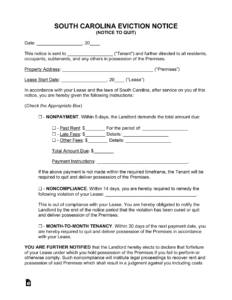
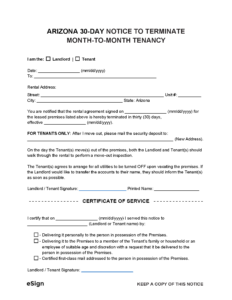
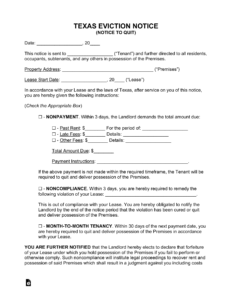
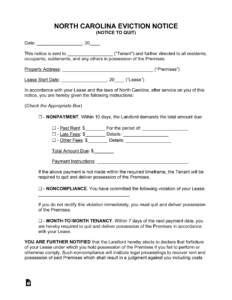
Here are the critical elements that should be included in any virginia 30 day eviction notice template:
* The full legal name and address of the landlord or their authorized agent.
* The full legal name and address of the tenant(s) being served.
* The complete address of the rental property in question.
* The precise date the notice is being issued.
* A clear and specific description of the lease violation or non-compliance. This must be detailed enough for the tenant to understand exactly what they need to fix.
* A statement explicitly informing the tenant that they have 30 days from the date of service to cure the breach.
* A clear statement that if the breach is not cured within the 30-day period, the lease will be terminated, and legal eviction proceedings (an unlawful detainer action) will be initiated.
* The landlord’s signature or the signature of their authorized agent.
* A certificate of service detailing how and when the notice was delivered to the tenant.
Accuracy and clarity in these components are non-negotiable. Any ambiguity could be challenged by the tenant in court, potentially leading to delays or even dismissal of your eviction case.
Navigating the Next Steps After Issuing the Notice
Once you’ve properly served the 30-day notice, the clock starts ticking. For landlords, this period is not just about waiting; it’s about preparing for potential next steps. If the tenant remedies the situation within the 30 days, the matter is typically resolved, and the tenancy continues as before. However, if the tenant fails to correct the violation or move out by the deadline, you then have the legal grounds to proceed with filing an unlawful detainer action in the appropriate Virginia General District Court.
It’s imperative to understand that serving the notice is just the first step in a legal eviction process. Under no circumstances should a landlord resort to self-help eviction tactics, such as changing locks, removing the tenant’s belongings, or shutting off utilities. Such actions are illegal in Virginia and can result in severe penalties, including monetary damages payable to the tenant. The only legal way to remove a tenant who has not voluntarily vacated the property is through a court order.
Throughout this entire process, meticulous documentation is your best friend. Keep copies of everything: the lease agreement, the 30-day notice itself, proof of service (certified mail receipts, affidavits of personal service), and any communication exchanged with the tenant regarding the violation. This comprehensive record will be invaluable should you need to present your case in court.
* Maintain detailed records of all communications and documents.
* Strictly avoid any form of self-help eviction.
* Consider consulting with a legal professional specializing in landlord-tenant law if you are unsure about any step.
* Be aware of all tenant rights even during the eviction process.
Utilizing a correctly formatted and legally sound 30-day notice is a critical first step for Virginia landlords dealing with lease violations. It ensures you are acting within the bounds of the law, protecting both your property and your rights as an owner.
Taking the time to ensure your notice is accurate and properly served can save a significant amount of time, money, and stress down the line. A properly executed virginia 30 day eviction notice template is not just a piece of paper; it’s a foundational element of a fair and lawful tenancy management strategy. It provides clarity for all parties and sets the stage for a legally compliant resolution, no matter the outcome.