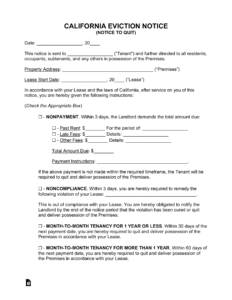
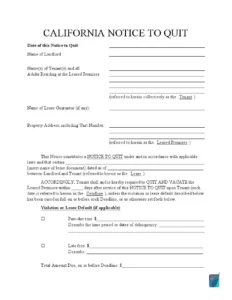
Navigating the complexities of landlord-tenant relationships in California can be a real challenge, especially when disputes arise over rent or lease terms. As a property owner or manager, there might come a time when you need to take formal steps to address issues like unpaid rent or violations of the lease agreement. It’s not a step anyone takes lightly, but sometimes it becomes necessary to protect your property and ensure a smooth operation.
When you find yourself in a situation where a tenant is behind on rent or has breached a significant part of their lease, understanding the proper legal procedures is paramount. This is where a 3 day notice template california becomes an indispensable tool. It’s the first formal step in the eviction process, serving as a clear, legally compliant warning that outlines the tenant’s violation and gives them a short window to correct it before further action is taken. Getting this notice right from the start is crucial for any subsequent legal proceedings to be valid.
The process of serving such a notice isn’t merely about filling in blanks; it’s about adhering to strict legal requirements set forth by California law. Errors or omissions in the notice can lead to significant delays and complications in an already sensitive situation. Therefore, having access to accurate information and a reliable template can save you a lot of headaches and ensure you’re proceeding correctly every step of the way.
Understanding the California 3-Day Notice to Pay Rent or Quit
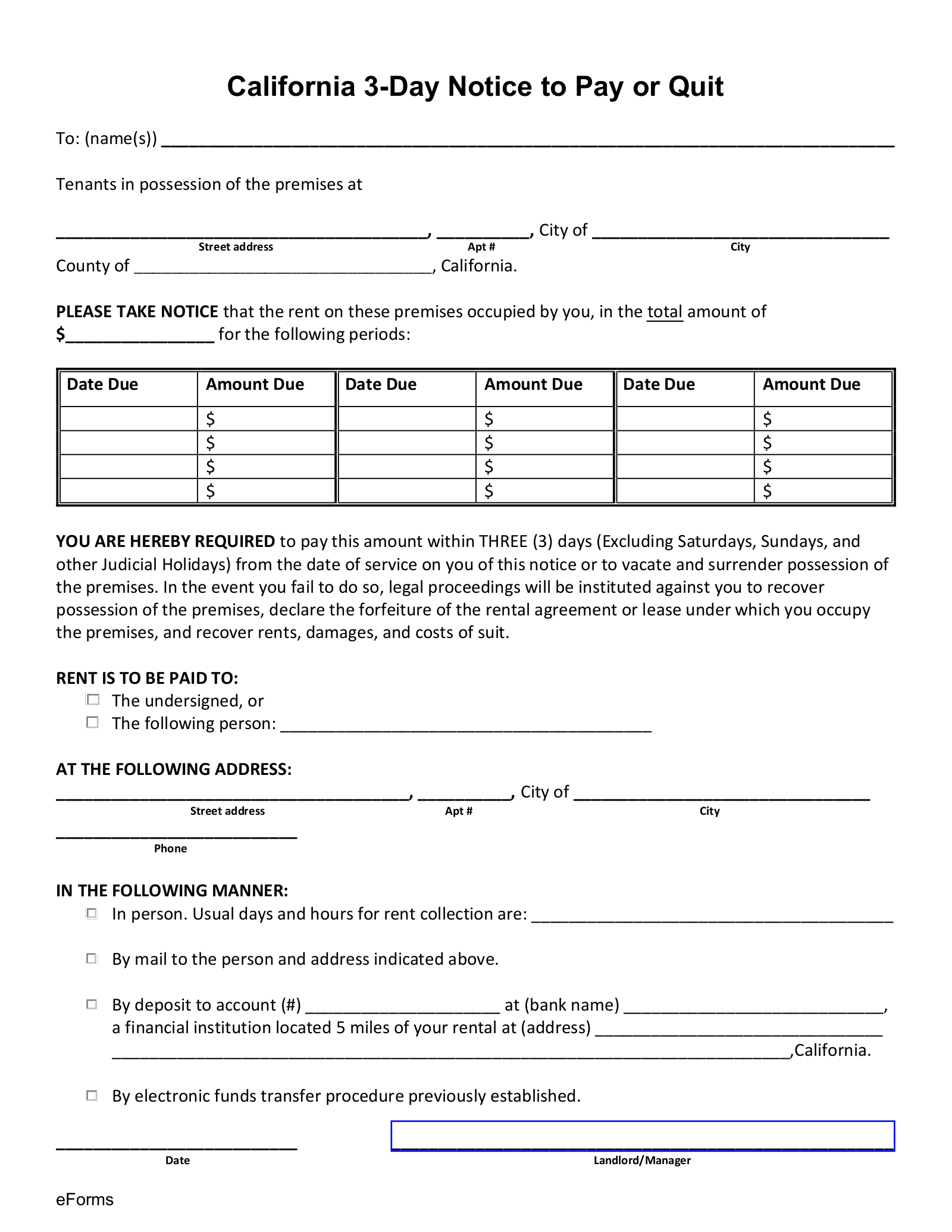
The most common type of 3-day notice you’ll encounter as a landlord in California is the “Notice to Pay Rent or Quit.” This document is specifically designed for situations where a tenant has failed to pay their rent on time. It serves as a formal demand for the overdue rent, giving the tenant a crucial three-day window to either pay the full amount owed or vacate the property. It’s important to understand that this notice period refers to business days, not including weekends or holidays, which can sometimes extend the actual timeframe.
California law is quite specific about the requirements for such a notice. It’s not merely a friendly reminder; it’s a legal document that initiates the formal eviction process if the tenant does not comply. Landlords must ensure that the notice accurately reflects the amount of rent owed, the period for which it is owed, and includes clear instructions on how and where the payment can be made. Any ambiguity or error could render the notice invalid, forcing you to start the process over, which adds unnecessary delays and stress.
The primary purpose of this notice is to give the tenant a final opportunity to remedy the situation without resorting to legal action. If the tenant pays the full amount of rent requested within the three-day period, along with any applicable late fees as stipulated in the lease agreement, the landlord generally cannot proceed with an eviction based on that specific rent default. It’s a mechanism designed to encourage prompt payment and maintain the tenancy if possible, while still providing a legal pathway for the landlord if payment isn’t received.
Key Elements to Include in Your Notice
Crafting a legally sound 3-day notice requires attention to detail. Every piece of information must be accurate and clearly presented to avoid any legal challenges down the line. Missing even a small detail can invalidate the entire notice, essentially sending you back to square one in the eviction process. Therefore, it’s beneficial to review each component carefully before serving the document to your tenant.
Here are the critical elements that must be present in your 3-day notice:
After the notice has been properly filled out and served to the tenant, whether by personal delivery, substituted service, or posting and mailing, it’s crucial to document the exact date and method of service. This proof of service will be an essential document if the case proceeds to an unlawful detainer lawsuit. Should the tenant fail to pay rent or vacate the property within the specified three days, you would then be legally entitled to file an unlawful detainer action with the court to formally begin the eviction proceedings.
Types of 3-Day Notices in California Beyond Unpaid Rent
While the 3-day notice to pay rent or quit is perhaps the most frequently used, it’s important for landlords in California to recognize that there are other variations of the 3-day notice, each designed for different types of lease violations. These notices also provide a short window for the tenant to rectify a problem or vacate the property, but the underlying reason for the notice differs significantly from simply being behind on rent payments. Understanding these distinctions is key to choosing the correct legal instrument for your specific situation.
One such variation is the “3-Day Notice to Perform Covenants or Quit.” This notice is used when a tenant has violated a specific term or condition of their lease agreement, other than non-payment of rent. Examples of such violations might include having unauthorized pets, making unauthorized alterations to the property, or causing excessive noise that disturbs other tenants. Like the rent notice, it gives the tenant three days to “perform” or correct the violation or, failing that, to move out. If the tenant rectifies the breach within the three days, the landlord generally cannot proceed with an eviction based on that specific violation.
Then there is the “3-Day Notice to Quit,” which is typically reserved for more severe or “incurable” breaches of the lease agreement, or for instances of illegal activity on the premises. With this type of notice, the tenant is not given an opportunity to correct the violation; they are simply being told to vacate the property within three days. Examples that might warrant this type of notice include severe property damage, engaging in illegal drug activity, or being a significant nuisance to other tenants or neighbors that cannot be remedied. Because of its nature, this notice is particularly serious and should be used with careful consideration and, often, legal advice.
Successfully navigating the various legal requirements for serving notices in California is fundamental to protecting your rights as a landlord. Whether it’s a simple missed rent payment or a more serious lease violation, using the correct legal document and procedure is the foundation for any subsequent actions.
The process of serving any kind of eviction notice in California is a serious matter with significant legal implications for both landlords and tenants. It’s not just about filling out a 3 day notice template california; it’s about understanding the law, ensuring accuracy, and adhering to strict procedural guidelines. Rushing through this process or making mistakes can lead to costly delays, legal setbacks, and increased stress for all parties involved.
Therefore, when you find yourself needing to serve a notice, it is always recommended to consult with a legal professional who specializes in landlord-tenant law. They can provide tailored advice, review your notice for compliance, and guide you through the next steps, ensuring you proceed correctly and efficiently, ultimately aiming for the best possible outcome.