Navigating any significant transaction, whether it’s buying a new home, selling a vehicle, or even exchanging services, often requires a clear, legally binding agreement. Without proper documentation, misunderstandings can quickly escalate into costly disputes, causing stress and financial loss. This is precisely why a robust buyer and seller contract template is an indispensable tool for protecting all parties involved.
A well-drafted agreement sets clear expectations, outlines responsibilities, and provides a legal framework should any issues arise. It eliminates ambiguity, ensuring that both the buyer and the seller are on the same page regarding the terms of the exchange. Understanding the components of such a template can save you time, money, and potential headaches down the line.
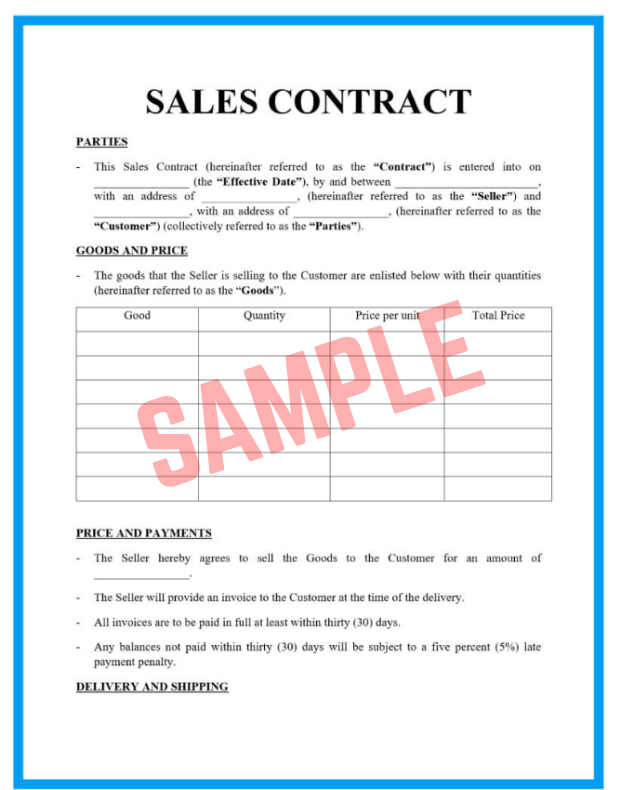
This article will delve into the critical aspects of a comprehensive purchase agreement, highlighting what makes these documents so vital. We’ll explore key elements, discuss customization, and even provide a sample buyer and seller contract template to guide you. By the end, you will have a solid grasp of how to approach your next transaction with confidence and legal clarity.
Understanding the Core Components of a Purchase Agreement
Every successful transaction hinges on a clear understanding of its terms, and a purchase agreement template is designed to facilitate this. This legal document formalizes the intent of both parties, specifying the subject of the transaction and the conditions under which it will occur. It serves as a blueprint for the entire exchange, from negotiation to final delivery or closing.
These agreements aren’t just for large assets like property; they are equally crucial for smaller transactions involving goods or services. Having a standardized sales contract ensures consistency and covers essential legal protections. Failing to use a written agreement can leave both parties vulnerable to verbal misunderstandings and unfulfilled promises.
Essential Clauses for Every Sales Contract
When putting together any sales contract, several clauses are non-negotiable for ensuring clarity and enforceability. These elements form the backbone of your agreement, protecting the interests of both the buyer and the seller. Neglecting any of these critical components can significantly weaken the document.
Key clauses typically include:
- Identification of Parties: Clearly state the full legal names and contact information of both the buyer and the seller. This ensures there is no doubt about who is bound by the contract.
- Description of Goods or Property: Provide a detailed and unambiguous description of what is being bought and sold. For property, this includes addresses and legal descriptions; for goods, specific models, serial numbers, or quantities.
- Purchase Price and Payment Terms: Specify the exact amount of money being exchanged and the currency. Outline the payment schedule, including any deposits, installments, or financing contingencies.
- Delivery or Closing Date: Establish a definitive timeline for the transfer of ownership or possession. This includes the date, time, and location where the transaction will be finalized.
- Representations and Warranties: These are statements of fact made by the seller about the condition or quality of the item. They assure the buyer about certain aspects, and if untrue, can lead to legal recourse.
- Conditions and Contingencies: Detail any events that must occur for the contract to become binding. For example, a home sale might be contingent on the buyer securing financing or a satisfactory inspection.
- Dispute Resolution: Outline the process for resolving disagreements, such as mediation, arbitration, or litigation. This helps avoid costly and drawn-out court battles.
Why Standardized Templates Protect Both Sides
Utilizing a standardized buyer and seller contract template offers significant advantages, promoting fairness and reducing legal risks. These templates are typically drafted by legal professionals, ensuring they comply with applicable laws and cover common scenarios. This provides a level of assurance that a hastily written agreement might lack.
Standardized forms create a level playing field, ensuring that neither party holds an unfair advantage due to ambiguous wording. They also streamline the contracting process, making it quicker and less daunting. Many real estate transactions, for instance, heavily rely on industry-standard templates because they are tried, tested, and understood by all stakeholders. Such templates significantly reduce the likelihood of legal challenges stemming from poorly defined terms.
Customizing Your Buyer And Seller Contract Template
While standard templates provide a strong foundation, nearly every transaction has unique aspects that require personalization. A general buyer and seller contract template serves as a starting point, but it must be adapted to fit the specific details of your agreement. Customization ensures the document accurately reflects the intentions and specific circumstances of both parties.
Ignoring the need for customization can lead to omissions or inaccuracies, which might render parts of the contract unenforceable or irrelevant. The goal is to make the template perfectly align with your individual transaction, whether it involves real estate, vehicles, or even intellectual property. This adaptation process adds clarity and further strengthens the legal standing of the agreement.
Adding Specific Terms and Conditions
Beyond the standard clauses, many transactions necessitate the inclusion of specific terms and conditions unique to the situation. These might address particular obligations, special circumstances, or agreed-upon exceptions to general rules. For example, if selling a custom-made item, details about the customization process and approval stages would be crucial.
Consider these examples for custom terms:
- Inspection Period: For real estate, a specific number of days for the buyer to conduct inspections.
- Delivery Instructions: Detailed instructions for shipping, installation, or assembly of goods.
- Maintenance Agreements: If selling equipment, specifics about included warranty or service plans.
- Intellectual Property Rights: Clarification on ownership or usage rights if the transaction involves creative works.
- Non-Disclosure Agreements (NDAs): If sensitive information is exchanged during negotiations.
Adding these specific terms ensures that every facet of the agreement is covered, minimizing potential points of contention later on. It shows foresight and a commitment to a transparent transaction.
Legal Review and Adaptation for Local Laws
Even with a comprehensive template and diligent customization, a professional legal review is highly advisable, especially for significant transactions. Laws governing contracts can vary significantly by jurisdiction, from state to state or country to country. What is valid in one location might not be enforceable in another.
A legal professional can ensure your customized buyer and seller contract template complies with all relevant local, state, and federal regulations. They can also identify any overlooked clauses or potential vulnerabilities specific to your unique situation. This expert review offers an invaluable layer of protection, transforming a good template into a legally sound and tailored agreement ready for execution.
Sample Buyer And Seller Contract Template
Below is a simplified outline of what a buyer and seller contract template might look like. This sample illustrates the typical sections and types of information included in such an agreement. Remember, this is for illustrative purposes and should not be used as a legal document without professional review.
Outline of a Basic Purchase and Sale Agreement
This structure provides a clear flow for documenting the agreement between parties. Each section addresses a critical aspect of the transaction, ensuring comprehensive coverage.
-
Agreement Date:
- [Date of Agreement]
-
Parties Involved:
- Seller:
- Name: [Full Legal Name of Seller]
- Address: [Seller’s Full Address]
- Contact: [Seller’s Phone Number and Email]
- Buyer:
- Name: [Full Legal Name of Buyer]
- Address: [Buyer’s Full Address]
- Contact: [Buyer’s Phone Number and Email]
- Seller:
-
Description of Item/Property Being Sold:
- [Detailed description of the item or property, including make, model, year, serial number, VIN, legal property description, etc.]
- Condition: [e.g., “as-is,” “new,” “used,” specific defects]
-
Purchase Price and Payment Terms:
- Total Purchase Price: [Amount in words] ([Amount in figures])
- Deposit Paid (if any): [Amount in words] ([Amount in figures]) – Date: [Date]
- Remaining Balance Due: [Amount in words] ([Amount in figures])
- Payment Method: [e.g., Bank Transfer, Certified Check, Cash]
- Payment Schedule: [e.g., “Full balance due at closing,” “Installments of $X by Y date”]
-
Closing/Delivery Details:
- Closing/Delivery Date: [Date]
- Time: [Time]
- Location: [Address where transaction will be finalized and item/property transferred]
- Method of Delivery: [e.g., “Buyer collects,” “Seller delivers to X address”]
-
Representations and Warranties (Seller):
- The Seller confirms they are the legal owner of the [Item/Property].
- The Seller confirms the [Item/Property] is free from any liens or encumbrances, except as disclosed.
- [Any specific warranties, e.g., “Item is in good working order,” or “No warranties are expressed or implied.”]
-
Contingencies (if any):
- This agreement is contingent upon [e.g., “Buyer securing financing by X date,” “Successful inspection of property by Y date”].
-
Governing Law:
- This Agreement shall be governed by and construed in accordance with the laws of the State/Province of [State/Province Name].
-
Signatures:
- Seller:
- Signature: _________________________
- Printed Name: [Seller’s Printed Name]
- Date: [Date]
- Buyer:
- Signature: _________________________
- Printed Name: [Buyer’s Printed Name]
- Date: [Date]
- Seller:
Having a clear and organized format for your purchase agreement helps ensure that no crucial details are missed. It provides a visual guide for both parties, making the terms of the transaction easy to understand and follow. This structure can be expanded or modified to suit the complexity of any specific sale.
Securing a reliable buyer and seller contract template is a foundational step in conducting any transaction with peace of mind. These documents are more than just formalities; they are critical safeguards that clarify expectations, delineate responsibilities, and provide legal recourse if needed. By leveraging a well-structured template, customized to your specific needs, you protect your interests and foster transparent dealings.
Taking the time to understand and properly utilize a comprehensive purchase agreement template significantly reduces the risk of disputes and ensures a smoother process for everyone involved. Whether you are buying or selling, investing in a robust agreement upfront can prevent costly issues and facilitate a successful exchange.