Effective property management hinges on clear communication and adherence to legal guidelines, especially when it comes to property inspections. Maintaining the condition of rental units is paramount for both landlords and tenants, ensuring safety, preserving property value, and resolving issues proactively. However, conducting these inspections requires proper notification to residents, making a robust property manager inspection notice template an indispensable tool in any property professional’s arsenal. This article will guide you through the essentials of crafting such a notice, ensuring you meet legal requirements and foster positive tenant relations.
Understanding the nuances of tenant rights and local housing laws is critical when scheduling and executing property inspections. A well-drafted notice not only informs tenants but also demonstrates your professionalism and commitment to compliance. By the end of this comprehensive guide, you will have a clear understanding of what makes an effective inspection notice and how to utilize a customizable template to streamline your administrative processes.
Crafting an Effective Property Inspection Notice
Routine property inspections are a fundamental part of maintaining a rental property’s condition and ensuring tenant compliance with lease terms. These inspections allow property managers to identify necessary repairs, assess wear and tear, and address potential safety hazards before they escalate. However, the right to inspect must always be balanced with the tenant’s right to privacy and quiet enjoyment of their home.
Legal requirements concerning landlord entry vary significantly by jurisdiction, but generally, landlords must provide reasonable advance notice before entering a tenant’s dwelling. This notice period can range from 24 to 48 hours, depending on state and local laws. Without proper notification, entry can be considered illegal, potentially leading to disputes or legal challenges from tenants.
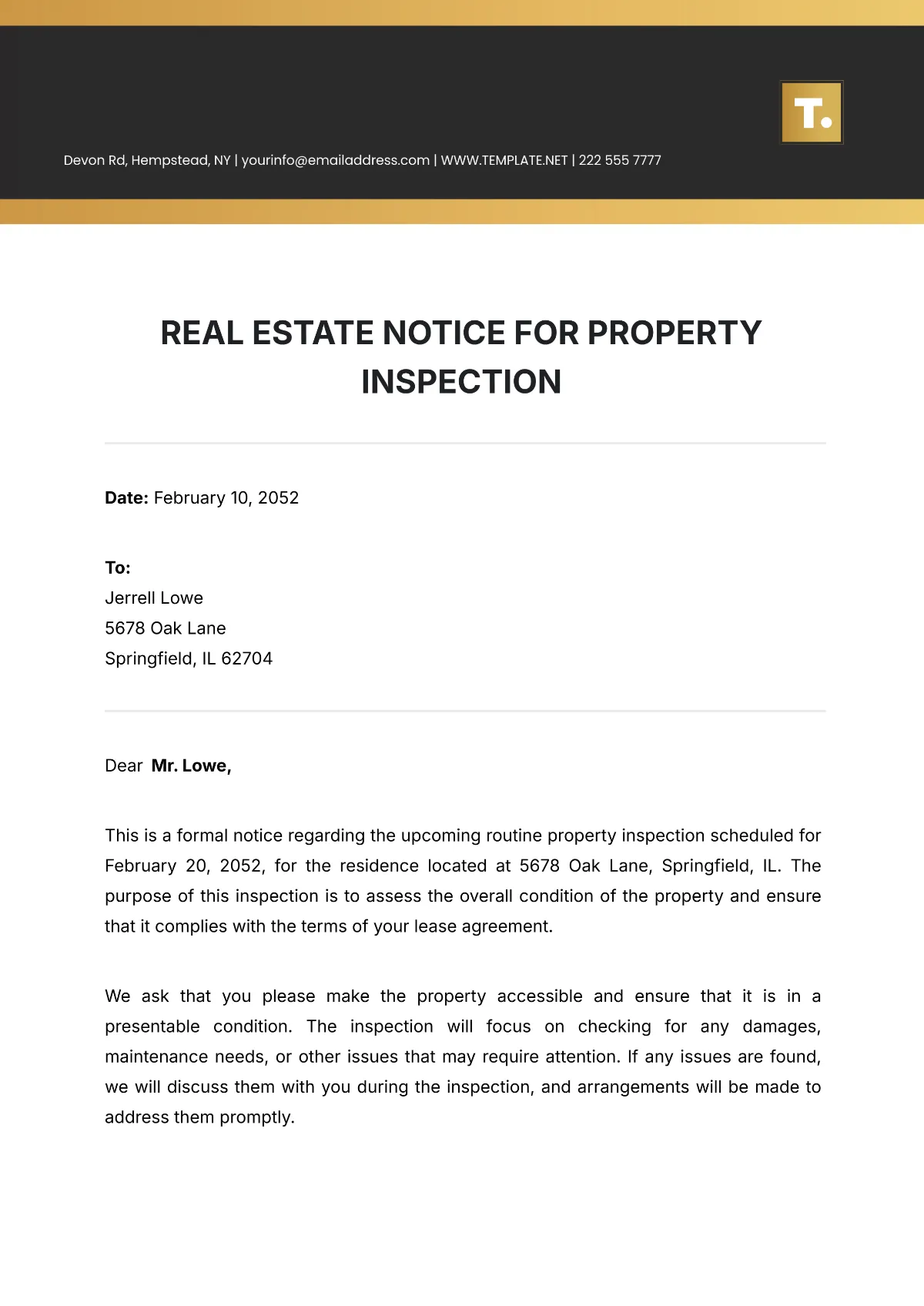
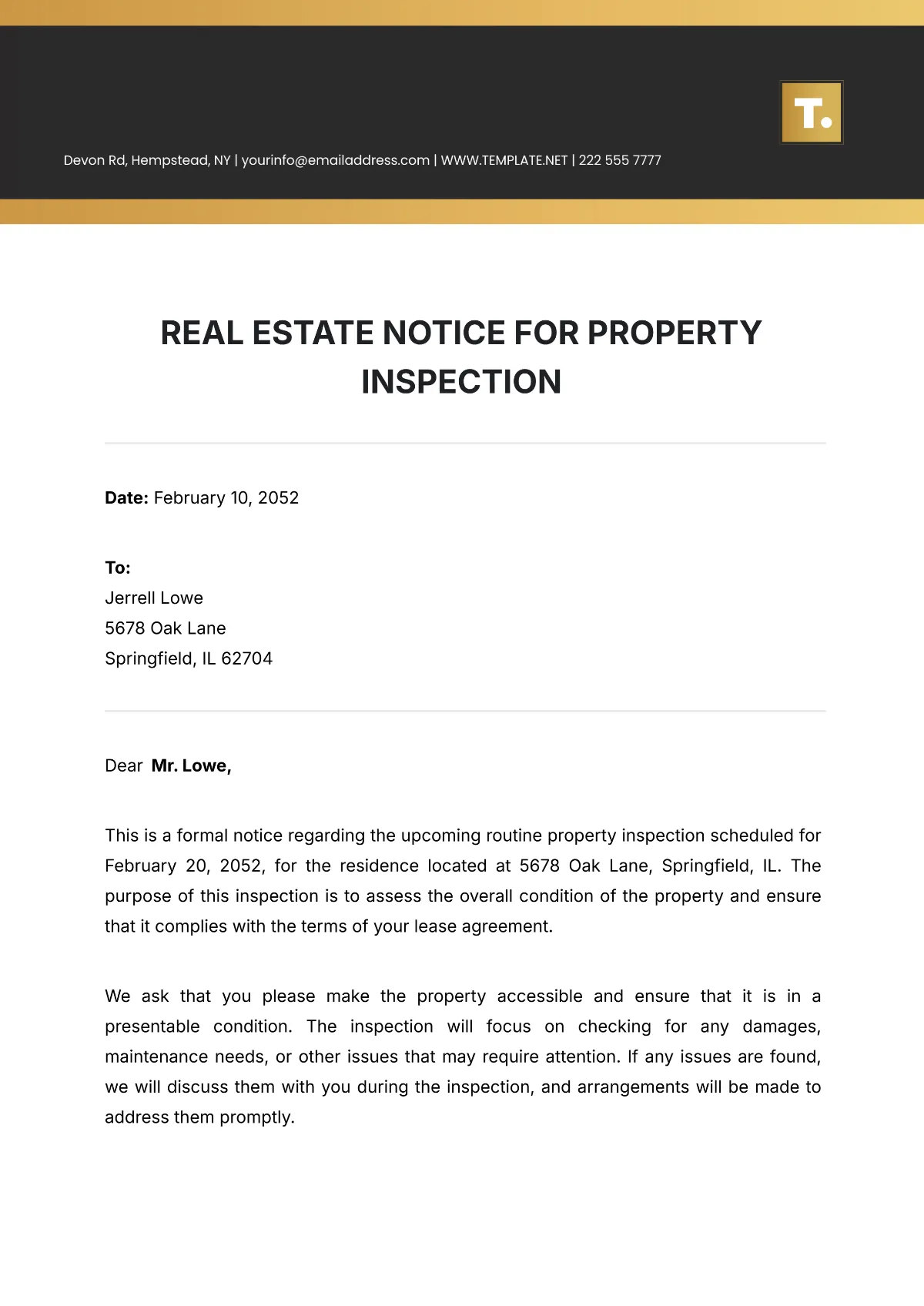
An effective property inspection notice, therefore, serves as a formal and legally compliant communication tool. It clearly states the purpose of the entry, the exact date and time, and who will be entering the property. Providing all this information upfront helps alleviate tenant anxiety and builds trust between parties. A standardized property manager inspection notice template ensures consistency and thoroughness with every notification sent out.
Key elements that should always be included in your inspection notice are:
- Date of Notice: The date the notice is issued.
- Tenant(s) Name and Property Address: Clear identification of the tenant and the specific unit.
- Purpose of Entry: State clearly that the purpose is a routine property inspection, maintenance check, or other specific reason.
- Date and Time of Entry: Provide a specific date and a reasonable window of time (e.g., “between 9:00 AM and 1:00 PM”).
- Required Notice Period: Mention that this notice fulfills the legal requirement for advance notification.
- Contact Information: How tenants can reach the property manager for questions or to reschedule (if permitted).
- Instructions/Requests: Any specific requests for the tenant, such as securing pets or clearing access to certain areas.
- Signature of Property Manager/Landlord: Formalizes the notice.
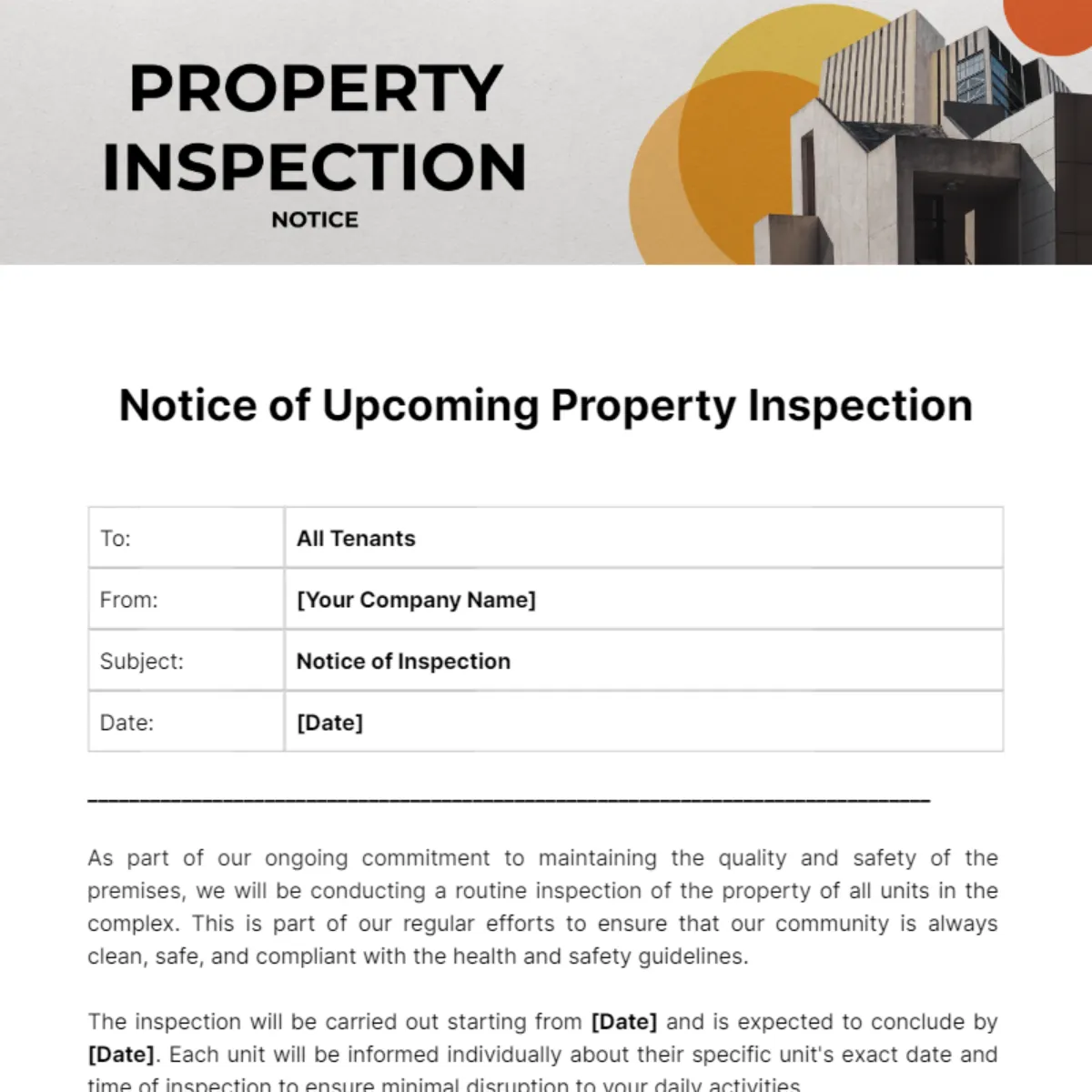
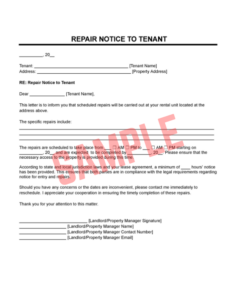
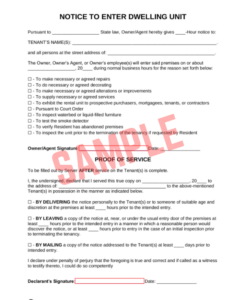
Here is a sample property manager inspection notice template that you can adapt for your specific needs:
[Your Company Letterhead/Logo]

[Date]

[Tenant Name(s)]
[Property Address, Unit #]
[City, State, Zip Code]

Subject: Notice of Entry for Property Inspection

Dear [Tenant Name(s)],

This letter serves as a formal notice, in accordance with your lease agreement and [State/Local Law Governing Landlord Entry, e.g., RCW 59.18.150 for Washington State], that [Your Company Name] intends to enter your rental unit for a routine property inspection.

The purpose of this inspection is to:
- Assess the general condition of the property.
- Identify any maintenance needs or potential issues.
- Ensure compliance with the terms of your lease agreement.

We will be entering your unit on:
Date: [Specific Date of Entry, e.g., October 26, 2023]
Time: [Time Window, e.g., between 10:00 AM and 12:00 PM]

Please ensure pets are secured, and access to all areas of the unit, including bathrooms and kitchens, is clear. If you have any questions or require an alternative arrangement, please contact us immediately at [Your Phone Number] or [Your Email Address]. Please note that requests for rescheduling are subject to approval and may not always be possible.

Thank you for your cooperation in maintaining the quality of your home.

Sincerely,

[Your Name/Property Manager Name]
[Your Title]
[Your Company Name]
[Your Phone Number]
[Your Email Address]
This template provides a clear framework, allowing you to quickly fill in the specific details for each inspection. It ensures all necessary legal and practical information is conveyed, which is essential for seamless operations. Having a consistent structure helps property managers stay organized and reduces the risk of overlooking critical information.
Best Practices for Delivering Your Inspection Notice
Once you have prepared your property manager inspection notice template, the next crucial step is its proper delivery. The method of delivery is just as important as the content itself to ensure legal compliance and effective communication. Most jurisdictions specify acceptable methods for serving notices, which can include first-class mail, personal delivery, or posting on the property.
It is always advisable to use a method that provides proof of delivery, such as certified mail with a return receipt requested, or personal delivery with a signed acknowledgment from the tenant. Documenting the date and method of notice delivery is critical. This record can be invaluable should any disputes arise regarding proper notification.
Clear and consistent communication beyond the notice itself can further enhance tenant relations. Encourage tenants to reach out with questions or concerns about the inspection. Proactive engagement can prevent misunderstandings and foster a cooperative environment. Remember, the goal of an inspection is not only compliance but also the continued good condition of the property.
In summary, leveraging a professional and legally compliant property manager inspection notice template is fundamental to effective property management. It ensures clear communication with tenants, upholds your legal responsibilities, and contributes to the overall maintenance and value of your rental properties. By consistently using such a template and adhering to best practices for notice delivery, you can foster stronger tenant relationships and operate with greater confidence and efficiency. Make sure to review local laws regularly, as regulations regarding tenant notifications can change, ensuring your templates remain up-to-date and fully compliant.