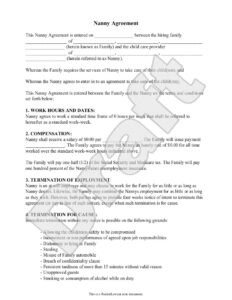
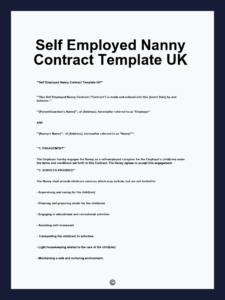
Extending an employment contract can be a crucial step for businesses looking to retain valuable talent and maintain operational continuity. A well-drafted extension of employment contract template is an invaluable tool for HR professionals and business owners alike. It ensures clarity, legal compliance, and a smooth transition for both the employer and the employee.
Navigating the nuances of contract extensions can be complex without the right resources. This comprehensive guide will walk you through everything you need to know about effectively extending employment agreements. We’ll cover the essential elements, legal considerations, and best practices to help you create a robust and compliant document that supports your business goals.
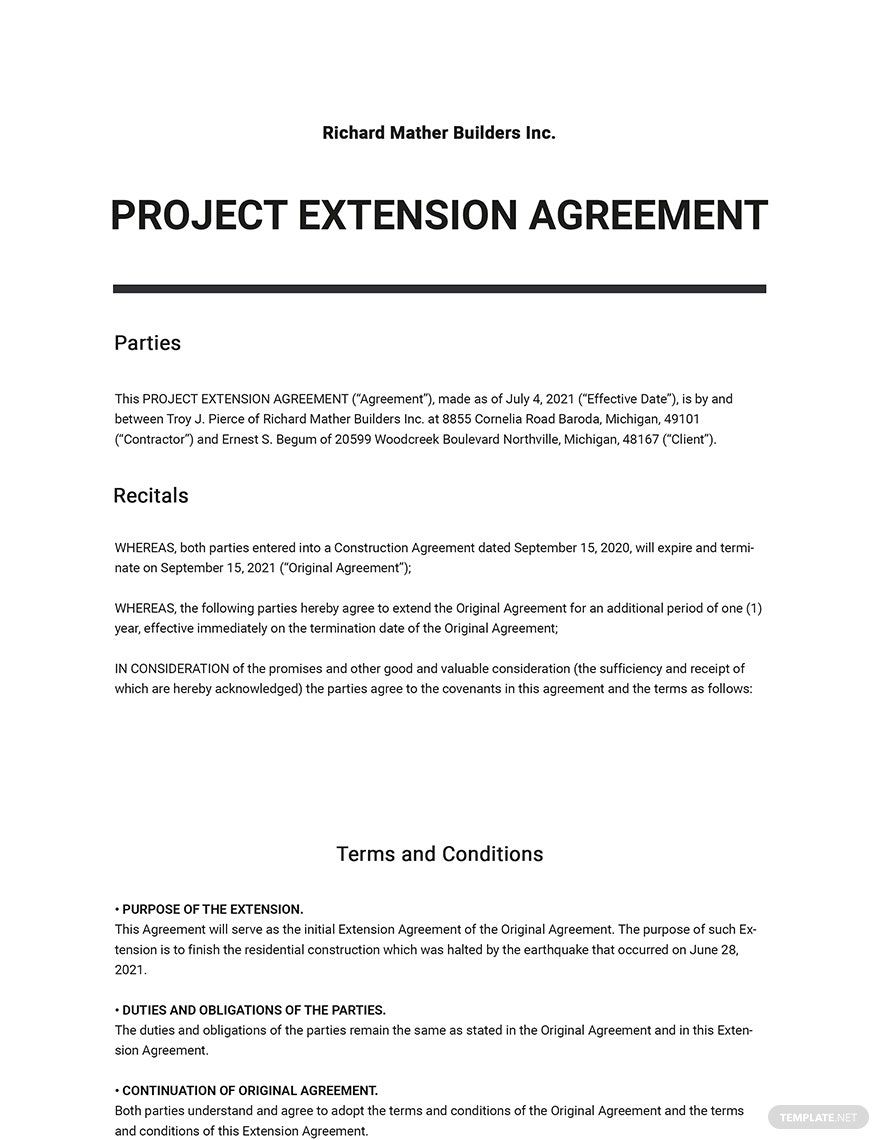
Understanding how to properly utilize an extension agreement can save time, reduce legal risks, and foster stronger employee relations. By the end of this article, you’ll have a clear roadmap for drafting, implementing, and managing your employment contract extensions with confidence.
Understanding the Importance of Contract Extensions
Retaining experienced employees is often more cost-effective than recruiting and training new staff. Extending an employment contract allows companies to preserve institutional knowledge, maintain team cohesion, and avoid disruptions in productivity. It also signals to employees that their contributions are valued, potentially boosting morale and loyalty.
Many businesses operate with fixed-term contracts, especially for project-based roles or during probationary periods. When these contracts approach their end, a formal extension becomes necessary to continue the employment relationship. This proactive approach prevents gaps in service and ensures ongoing legal adherence.
Why Businesses Extend Employment Agreements
Businesses extend employment agreements for a multitude of strategic reasons. A primary driver is retaining high-performing employees who possess critical skills or institutional knowledge. This helps in maintaining project momentum and achieving long-term business objectives without interruption.
Another significant reason is the cost and time associated with recruitment and onboarding new staff. Extending an existing contract eliminates these expenses and allows resources to be directed elsewhere. It also reduces the risk of making a poor hiring decision, as the employee’s performance is already known.
Benefits of Using a Standardized Template for Extensions
A standardized extension of employment contract template offers numerous benefits, primarily ensuring consistency across all contract extensions. This consistency is vital for legal compliance and fairness among employees. It streamlines the administrative process, saving valuable time for HR departments.
Templates also act as a checklist, ensuring that all necessary legal clauses and company-specific terms are included. This reduces the risk of overlooking critical details that could lead to future disputes. Furthermore, using a template enhances professionalism and clarity in communication with employees.
Key Components of an Effective Extension Agreement
A well-structured extension agreement must clearly outline the terms and conditions of the renewed employment. It should explicitly state that it amends and extends the original contract, rather than replacing it entirely. Precision in language helps prevent misunderstandings and legal challenges down the line.
Essential components include the identification of both parties, a clear reference to the original contract, and the new duration of employment. Any changes to the original terms, such as salary adjustments or role modifications, must be clearly itemized and explained. This level of detail ensures transparency for all involved.
Essential Clauses in an Extension of Employment Contract Template
Every effective extension agreement must begin by identifying the employer and the employee, including their legal names and addresses. It then needs to precisely reference the original employment contract, typically by its date and title. This linkage establishes the foundation of the extension.
The core of the extension is the new term of employment, stating the exact start and end dates of the extended period. If the contract is open-ended after the extension, this should be clearly specified. Any adjustments to compensation, benefits, job duties, or other material terms must be explicitly detailed within dedicated clauses. Additionally, a clause affirming that all other terms of the original contract remain in full force and effect is crucial, unless explicitly stated otherwise in the extension document.
Customizing Your Extension to Specific Needs
While a general extension of employment contract template provides a solid foundation, customization is often necessary. Businesses should tailor the template to reflect any changes in the employee’s role, responsibilities, or working conditions. This ensures the document accurately represents the current employment arrangement.
Consider adding specific clauses for new projects, updated performance metrics, or changes in reporting structures. For employees taking on management roles, for instance, additional confidentiality or non-compete clauses might be appropriate. Always review the customized document carefully to ensure it aligns with both company policy and legal requirements.
Legal Considerations for Extending Employment
Extending an employment contract involves various legal considerations that employers must address to ensure compliance. Ignorance of employment law can lead to costly disputes and penalties. It is always advisable to consult with legal counsel, especially for complex cases or significant changes to terms.
Understanding local labor laws, including regulations regarding fixed-term contracts, notice periods, and employee rights, is paramount. Different jurisdictions may have specific requirements for how many times a fixed-term contract can be extended, or under what conditions it can become indefinite. Employers must be aware of these limitations to avoid inadvertently creating permanent employment where a fixed-term was intended.
Compliance with Employment Law and Regulations
Employers must ensure their extension agreements comply with all applicable local, state, and federal employment laws. This includes fair labor standards, anti-discrimination laws, and regulations concerning wages and hours. Failure to comply can result in significant legal liabilities.
Particular attention should be paid to laws governing fixed-term contracts, which vary by region. In some jurisdictions, repeated extensions of a fixed-term contract can lead to the employee being deemed a permanent employee, granting them additional rights.
Avoiding Common Pitfalls in Contract Extensions
One common pitfall is failing to clearly articulate all changes from the original contract. Ambiguity can lead to disagreements and legal challenges later. Another error is not obtaining the employee’s explicit consent and signature on the new agreement before the old one expires. Always ensure both parties sign and date the extension.
Employers should also avoid creating an impression of permanent employment when intending a further fixed term. Clear language regarding the fixed duration of the extension is vital. Regularly reviewing the company’s extension of employment contract template against current legal standards is a proactive measure against potential issues.
Comparison of Contract Extension Scenarios
Different employment scenarios often require distinct approaches to contract extensions. The table below compares common situations, highlighting key aspects to consider when preparing an extension agreement. Understanding these differences helps in tailoring the appropriate legal and practical considerations for each case.
| Scenario Type | Key Considerations | Typical Document Adjustment | Legal Impact |
|---|---|---|---|
| Fixed-Term to Fixed-Term | New end date, review for “deemed permanent” rules. | Update end date, affirm other terms. | Risk of permanent status if repeated too often (jurisdiction dependent). |
| Fixed-Term to Indefinite | Clear statement of open-ended employment, removal of end date. | Remove end date, update termination clauses. | Employee gains permanent employment rights (e.g., higher protection against unfair dismissal). |
| Project-Based Extension | Link extension to project completion, clarify project scope. | Specify project completion as the end condition. | Temporary nature maintained, but project end must be clear. |
| Role Change with Extension | New job description, salary review, potential change in benefits. | Update role, duties, compensation, reporting structure. | Requires careful integration of new terms with existing contract. |
Expert Tips for Using Your Extension of Employment Contract Template
Effectively managing contract extensions goes beyond simply filling in a template. Strategic planning and clear communication are essential for a positive outcome. These expert tips will help you navigate the process smoothly and professionally.
Proactive engagement with employees before their contract expires can significantly improve the extension process. Open discussions about future roles and expectations help in securing mutual agreement. Always prioritize clarity and fairness to foster a strong employer-employee relationship.
- Start Early: Begin discussions and preparation for an extension well in advance of the original contract’s expiration date. This provides ample time for negotiation, legal review, and prevents any lapse in employment. Aim for at least 30-60 days before the current contract ends.
- Communicate Clearly: Engage in open and honest dialogue with the employee about the reasons for the extension and any proposed changes to terms. Transparency builds trust and minimizes misunderstandings. Document these discussions where appropriate.
- Review and Update: Before presenting the extension, thoroughly review your extension of employment contract template. Ensure all clauses are up-to-date with current legal requirements and reflect any company policy changes. This includes reviewing salary, benefits, and job responsibilities.
- Seek Legal Counsel for Complex Cases: If the extension involves significant changes, potentially contentious terms, or if the employee is in a sensitive role, consult with an employment law expert. This prevents future legal challenges and ensures compliance.
- Obtain Signed Acknowledgement: Always ensure the employee signs and dates the extension agreement before the original contract expires. A digital signature may be acceptable, but confirm its legal validity in your jurisdiction. Provide the employee with a fully executed copy for their records.
- Maintain Records: Keep detailed records of the original contract, all extension agreements, and any related communications. Proper record-keeping is crucial for compliance, auditing, and resolving any future disputes.
Conclusion
Effectively managing employment contract extensions is a critical aspect of talent retention and business continuity. Utilizing a robust extension of employment contract template simplifies this process, ensuring that all legal and administrative requirements are met. By following the best practices outlined in this guide, businesses can confidently extend employment relationships, fostering stability and growth.
Remember to always prioritize clear communication, legal compliance, and customization to meet specific needs. A well-executed contract extension not only secures valuable talent but also strengthens the overall employee experience. Invest in a solid template and thoughtful process to ensure successful and compliant employment extensions for your organization.