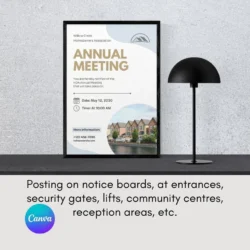
In today’s dynamic professional and community environments, effective communication is paramount. Whether you’re a property manager, an employer, or leading a community group, knowing how to convey information without imposing strict attendance can foster better engagement and goodwill. A well-crafted not mandatory meeting notice template ensures your message is clear, respects participants’ time, and still encourages participation.

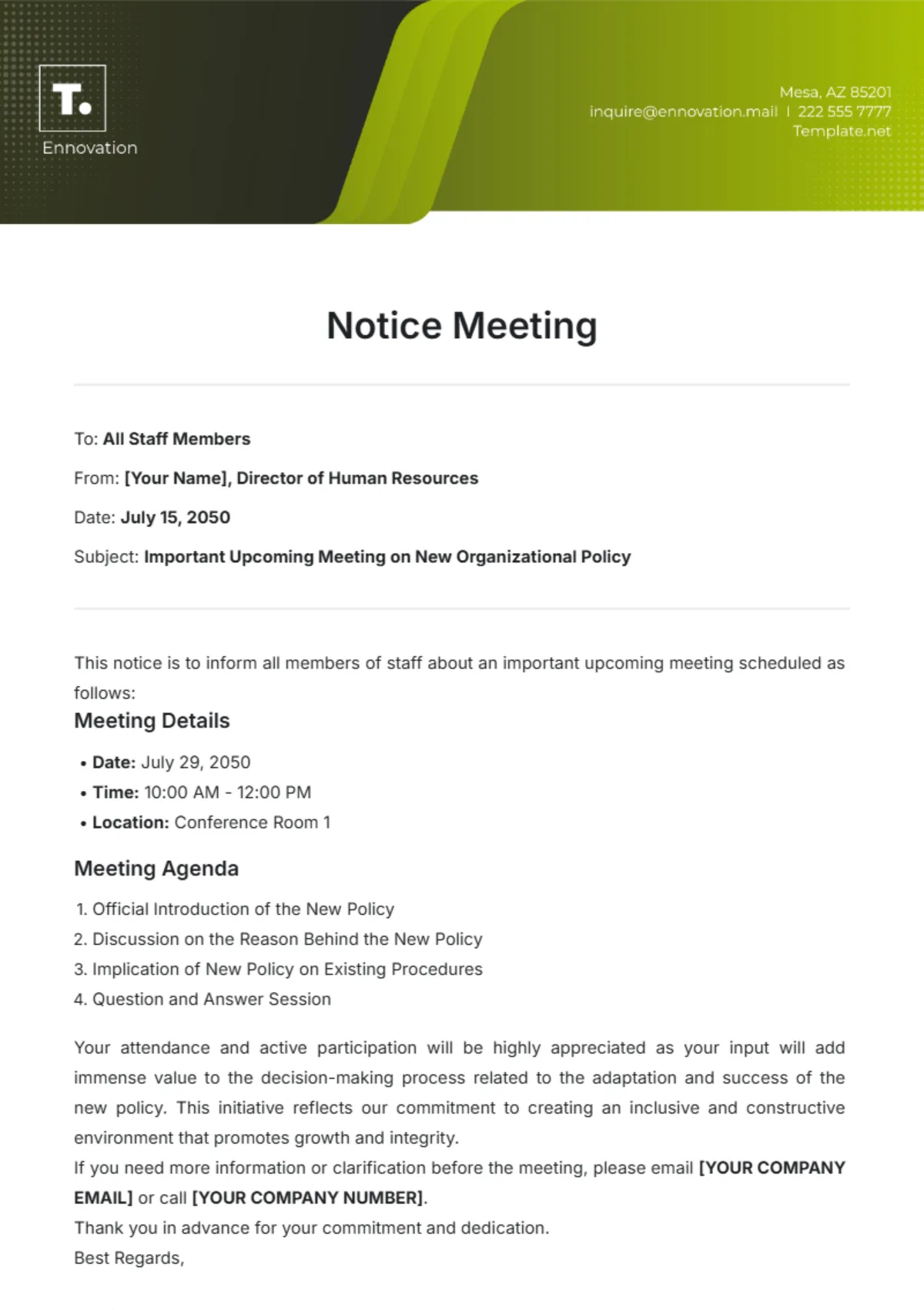
This article will guide you through the process of creating such a notice. We’ll explore the essential components, provide a customizable template, and discuss best practices to ensure your non-compulsory assembly memo achieves its intended purpose. Understanding how to issue a thoughtful attendance not required notice can significantly enhance communication within your organization or community.
Why Use an Optional Meeting Announcement?
Issuing an optional meeting announcement offers several distinct advantages for both organizers and attendees. Firstly, it respects individual schedules, acknowledging that not everyone can or needs to be present for every discussion. This approach can lead to higher quality participation from those who genuinely have a vested interest or relevant input. It prevents resentment that can arise from feeling forced to attend.
Secondly, a voluntary meeting notification helps prioritize critical tasks. By clearly stating attendance is not required, you empower individuals to allocate their time effectively, focusing on urgent responsibilities. This contributes to a more productive work environment or community engagement. It fosters a culture of trust and autonomy, which can boost morale and overall efficiency.
Furthermore, using an optional gathering notification signals transparency and flexibility. It shows that you value your team’s or community members’ time and input, even if their presence isn’t strictly mandated. This can lead to increased engagement over time, as people are more likely to participate voluntarily when they feel respected and valued. It also encourages a sense of personal responsibility for staying informed.
Crafting an Effective Not Mandatory Meeting Notice Template
Developing a clear and comprehensive not mandatory meeting notice template requires careful consideration of several key elements. The goal is to provide all necessary information while explicitly stating the optional nature of attendance. A well-structured template ensures consistency and professionalism in your communications, whether for tenants, staff, or community members.
This type of notice should clearly outline the meeting’s purpose, date, time, and location. It’s also crucial to specify who the meeting is for and what topics will be covered. By providing a clear agenda, you allow potential attendees to assess the relevance of the discussion to their roles or interests. This helps them make an informed decision about attending the flexible meeting invitation.

Below is a sample not mandatory meeting notice template that you can adapt for your specific needs. This structure is designed to be easily digestible and encourages optional participation without confusion. Remember to fill in the bracketed information with your specific details.
Sample Not Mandatory Meeting Notice Template
“`html
[Your Organization/Company/Community Name]
[Your Address]
[City, State, Zip Code]
[Date]
Subject: Optional Meeting Notice – [Meeting Topic]
Dear [Relevant Group: e.g., Residents, Team Members, Community Members],
This notice is to inform you about an upcoming optional meeting regarding [Briefly state the main topic or purpose of the meeting]. Your insights are valued, and while attendance is not mandatory, we believe this discussion will be beneficial for those interested in [specific area/decision/update].
Meeting Details:
- Date: [Day, Month Date, Year]
- Time: [Start Time] – [End Time] [Time Zone]
- Location: [Specific Room/Building Name, Address, or Virtual Link if online (e.g., Zoom Link: [URL])]
Agenda Highlights:
- [Item 1: e.g., Review of Q3 Performance]
- [Item 2: e.g., Discussion on upcoming community event planning]
- [Item 3: e.g., Open forum for questions and feedback]
- [Add more items as needed]
This meeting is intended for [Specify target audience, e.g., “all department heads,” “residents of Building A,” “volunteers for the spring festival”]. We encourage anyone with questions or contributions regarding [Meeting Topic] to attend.
If you are unable to attend but wish to provide input, please feel free to contact [Name/Department] at [Email Address/Phone Number] by [RSVP Date – Optional]. Meeting minutes and any relevant documents will be shared afterwards with all relevant parties.
Thank you for your attention to this matter.
Sincerely,
[Your Name/Department/Leadership Team]
“`
Key Elements for Your Voluntary Gathering Notification
Beyond the basic structure, certain key elements elevate a simple meeting announcement to an effective voluntary gathering notification. Clearly state the purpose of the meeting upfront. This helps individuals quickly determine if the topics are relevant to them without needing to read through the entire notice. A concise and compelling purpose statement can encourage attendance.
Always include a brief agenda or a list of discussion points. This offers transparency about what will be covered and helps attendees prepare any questions or contributions they might have. Even for an optional meeting, a structured agenda demonstrates professionalism and efficient planning, which values everyone’s time. It also helps manage expectations.
Consider including an RSVP option, even if attendance isn’t mandatory. This isn’t for strict headcount, but rather to gauge interest and prepare adequate resources, like seating or virtual meeting capacity. It also allows you to follow up with a reminder or share materials with those who expressed interest but couldn’t attend. Providing a contact person for questions is also highly beneficial.
Choosing to use a not mandatory meeting notice template wisely can significantly improve communication within any group. It respects individual time, fosters a culture of trust, and ultimately leads to more meaningful engagement when it truly matters. By following these guidelines and utilizing a well-structured template, you can effectively disseminate information and encourage participation without imposing unnecessary burdens.
Implementing such a template ensures that your communications are always clear, professional, and considerate. It empowers your audience to make informed decisions about their involvement, strengthening community bonds and professional relationships alike. A truly effective notice serves as a bridge, inviting interaction while acknowledging flexibility.