Starting a legal claim can feel like you are wandering through a thick fog without a map. If you have entered into an agreement and the other party has failed to hold up their end of the bargain, you are likely looking for a clear path forward. Finding a reliable particulars of claim template breach of contract is often the first step in translating your frustrations into a formal legal document that a court will actually take seriously. It is about more than just complaining that someone let you down; it is about structuring your argument in a way that meets specific legal standards.
When you are dealing with a breach of contract, the law requires you to be very specific. You cannot simply state that someone was unfair or that you are unhappy with the service. You have to point to specific clauses, dates, and financial losses that occurred because the other party did not follow the rules you both agreed upon. This document serves as the foundation of your case, and getting it right from the beginning can save you a significant amount of time and money later on.
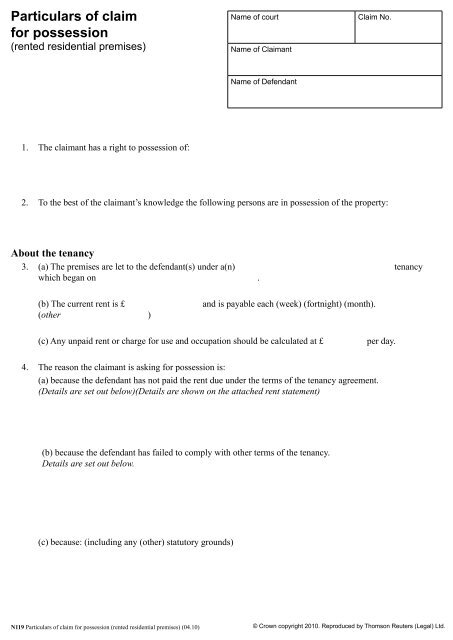
While it might be tempting to just write a long letter explaining your side of the story, the court has a specific format they expect to see. This is where a structured approach becomes your best friend. By following a logical flow, you ensure that the judge and the defendant understand exactly what you are asking for and why you believe you are entitled to it. Let us dive into the essential components of drafting this critical legal document.
Essential Components For Your Legal Document
The very first thing you need to handle is the identification of the parties. This seems simple enough, but you must use the exact legal names as they appear on the contract. If you are suing a limited company, make sure you have the correct registered name and address rather than just the brand name they use on their website. Accuracy at this early stage prevents the defendant from challenging the claim based on a technicality before the real issues are even discussed.
Once the parties are identified, you need to provide a brief history of how the contract came to be. This involves stating the date the agreement was made and whether it was written, oral, or a combination of both. If it was a written agreement, you should refer to it clearly. This sets the stage by proving that a legally binding relationship actually existed between you and the other party.
Establishing The Specific Terms
After establishing the existence of the contract, you must highlight the specific terms that were supposedly broken. You do not need to copy the entire contract into your claim, but you do need to quote the relevant sections. For instance, if the contract stated that goods must be delivered by a certain date and they were not, you must point to that specific clause. This helps the court focus on the exact nature of the disagreement.
The next step is describing the breach itself. This is where you explain what the defendant did or failed to do. Be as factual as possible here and avoid using overly emotional language. State the facts plainly, such as the defendant failed to deliver the services on the agreed date or the defendant delivered products that did not meet the quality standards specified in clause five of the agreement.
Perhaps the most important part for many claimants is the section on loss and damage. You need to explain how the breach has affected you financially. It is not enough to say you lost money; you need to show the calculations. If you had to pay another company more money to finish the job, that is a direct loss you can claim. If you lost profits because a machine was not delivered, you need to provide evidence for those figures.
Finally, you should include a request for interest and costs. Most jurisdictions allow you to claim interest on the money owed to you from the date of the breach until the date of the judgment. You can also ask the court to order the defendant to pay your legal fees and court filing costs. Including these details ensures that you are fully compensated for the trouble the breach has caused you throughout this process.
Professional Tips For A Stronger Case
Using a particulars of claim template breach of contract helps you maintain a professional tone, which is vital in a legal setting. You want the court to see you as a reasonable person who is simply seeking justice. Avoid personal attacks on the defendant or bringing up irrelevant history that does not relate to the specific contract in question. Keeping the focus on the legal obligations keeps the process moving efficiently and effectively.
Evidence is the backbone of any legal claim. While your written document tells the story, you will eventually need to back up every word with proof. Before you even start writing, gather all your emails, receipts, signed contracts, and photos. If you mention a specific conversation in your claim, try to find a follow up email that confirms what was said. This preparation makes your written claim much more powerful and harder for the other side to dismiss.
Always double check the court rules regarding formatting and service. Every court system has its own set of rules about font sizes, page limits, and how the documents must be delivered to the other party. Missing a simple procedural rule could result in your claim being struck out or delayed. Taking an extra hour to review the local guidelines can prevent a lot of stress down the line and ensure your hard work does not go to waste.
Taking the step to file a formal claim is a significant decision that requires careful thought and preparation. By organizing your thoughts and using a structured format, you transform a complicated dispute into a clear legal argument. This process not only helps the court understand your position but also shows the defendant that you are serious about protecting your rights and recovering what you are owed.
Remember that while templates provide an excellent starting point, every case is unique. It is often a good idea to have a legal professional look over your final draft to ensure that you have not missed any subtle legal nuances. With a clear document in hand, you are much better positioned to navigate the legal system and reach a resolution that allows you to move forward with your business or personal life.