Embarking on a co-ownership journey for real estate can be an exciting venture, opening doors to investment opportunities or shared living arrangements that might otherwise be out of reach. However, without a clear roadmap, this path can become fraught with complications. This is precisely where a robust tenants in common contract template becomes an indispensable tool for all parties involved.
Shared property ownership, particularly through a tenancy in common (TIC) arrangement, offers significant flexibility. It allows multiple individuals to hold distinct, undivided interests in a single property, facilitating diverse financial contributions and individual estate planning. Understanding and utilizing a comprehensive agreement ensures that every co-owner’s rights and responsibilities are clearly defined from the outset.
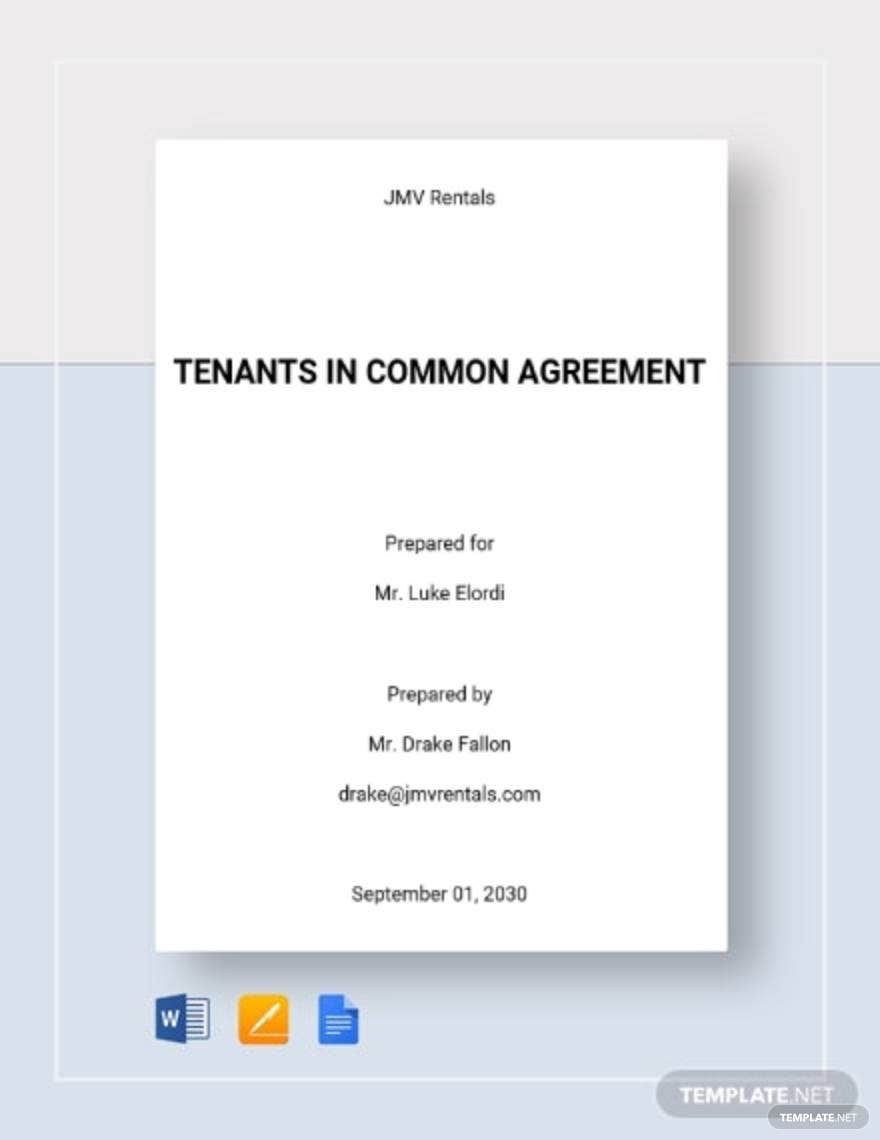
In this comprehensive guide, you will learn the fundamental aspects of tenants in common ownership, why a detailed co-ownership agreement is critical, and the essential clauses to include in your own tenants in common contract template. We will also explore the legal considerations and offer expert tips to help you navigate this flexible ownership structure with confidence and clarity.
Understanding Tenants in Common Ownership
Tenancy in Common (TIC) is a popular form of property co-ownership, especially when individuals or groups have varying investment goals or financial contributions. It provides a flexible framework that differs significantly from other ownership structures, making it crucial to understand its core principles.
Defining Tenants in Common (TIC)
Tenancy in Common (TIC) is a legal arrangement where two or more individuals or entities share ownership of a property. Each co-owner holds an “undivided interest” in the entire property, meaning they have the right to use and occupy the whole property, not just a specific portion.
A key characteristic of TIC is that ownership shares can be unequal. For instance, one owner might hold a 60% interest while another holds 40%, or even multiple owners with various percentages. This flexibility in ownership percentages is a primary reason for its appeal among diverse co-owner groups.
Key Characteristics of TIC
The flexibility of a Tenancy in Common arrangement stems from several distinct characteristics. Unlike some other forms of co-ownership, tenants in common do not need to acquire their interest at the same time or from the same source.
Each tenant in common has the freedom to sell, mortgage, or transfer their individual share of the property without needing consent from the other co-owners. This allows for greater autonomy and independent financial decisions regarding one’s stake in the property. Furthermore, there is no “right of survivorship” in a TIC. This means that if a co-owner passes away, their share does not automatically transfer to the surviving co-owners; instead, it becomes part of their estate and is passed on according to their will or intestacy laws.
Contrasting TIC with Joint Tenancy
To fully grasp TIC, it’s helpful to compare it with Joint Tenancy, another common co-ownership structure. The primary difference lies in the “right of survivorship.” Joint tenancy mandates that upon the death of one owner, their share automatically transfers to the surviving joint tenants, bypassing probate.
In contrast, TIC allows each owner to designate their heirs, providing more control over estate planning. Joint tenancy also typically requires equal ownership shares and that all owners acquire the property at the same time and through the same document, often referred to as the “four unities” (Time, Title, Interest, and Possession). TIC, as discussed, offers much more flexibility in these areas.
Why You Need a Tenants in Common Agreement
While the flexibility of a Tenancy in Common arrangement is appealing, shared property ownership without a formal agreement can quickly lead to misunderstandings and disputes. A well-drafted tenants in common contract template serves as a vital safeguard, clarifying expectations and protecting all parties involved.
Protecting Your Investment
Purchasing property is a significant financial commitment. When you co-own, your investment is intertwined with that of others. A comprehensive co-ownership agreement clearly defines each party’s financial contributions, not just for the initial purchase but also for ongoing expenses like mortgage payments, property taxes, insurance, and maintenance.
By outlining these responsibilities upfront, the agreement helps prevent one owner from shouldering an unfair burden or facing financial hardship due to another owner’s default. It creates a transparent financial framework, securing each co-owner’s equity and reducing potential risks.
Clarifying Responsibilities and Rights
Even with good intentions, vague assumptions about daily property management can cause friction. A tenants in common contract template meticulously details the rights and responsibilities of each co-owner. This includes who is responsible for routine maintenance, how major repairs and improvements will be approved and funded, and how the property will be used.
The agreement can also address occupancy schedules if it’s a shared vacation home, or rules for renting out portions of the property. Clear guidelines minimize ambiguity and foster a cooperative environment among co-owners.
Planning for Future Scenarios
Life is unpredictable, and a good co-ownership agreement anticipates various future scenarios. What happens if one owner wants to sell their share? How are buyouts handled? What if there’s a dispute that can’t be resolved informally?
An effective tenants in common contract template includes clauses for exit strategies, dispute resolution mechanisms (like mediation or arbitration), and even provisions for unforeseen circumstances such as an owner’s disability or bankruptcy. Planning for these possibilities upfront can save considerable time, stress, and legal fees down the line.
Essential Components of a Tenants in Common Contract Template
A robust tenants in common contract template is the backbone of any successful co-ownership arrangement. It must be detailed and cover all potential aspects of shared property management and ownership. Without these critical elements, co-owners risk future disagreements and legal challenges.
Identifying Parties and Property Details
The agreement should begin with clearly identifying all co-owners by their full legal names and addresses. It must also provide a precise legal description of the property, including its address and any relevant parcel numbers. This foundational information ensures there is no ambiguity about who the owners are and what property the agreement covers.
Additionally, the date of the agreement’s execution should be prominently displayed. This establishes the effective start date of the co-ownership terms outlined in the document.
Outlining Ownership Shares and Contributions
One of the most crucial sections of a TIC agreement details each co-owner’s percentage of ownership. This can be equal or unequal, reflecting varying financial contributions to the down payment and ongoing expenses.
Beyond the initial investment, the template should specify how all property-related expenses will be allocated, such as mortgage payments, property taxes, insurance premiums, utilities, and maintenance costs. It should also address how any rental income or profits from the property will be divided among the co-owners.
Establishing Decision-Making Processes
Effective decision-making is vital for harmonious co-ownership. The tenants in common contract template should clearly define how major decisions regarding the property will be made. This includes decisions about significant repairs, improvements, refinancing, or selling the entire property.
Common approaches include requiring unanimous consent for critical actions, or establishing a majority vote system, often weighted by ownership percentages. Defining this process in advance prevents stalemates and ensures that property management can proceed efficiently.
Addressing Sale, Buyout, and Dispute Resolution
An essential part of any co-ownership agreement is a clear exit strategy. The template should outline the procedures if one co-owner wishes to sell their interest, including a “right of first refusal” clause which allows other co-owners the first option to buy the departing owner’s share.
It should also detail valuation methods for buyouts and the process for selling the entire property if all owners agree. Furthermore, an effective dispute resolution clause, such as requiring mediation or arbitration before resorting to litigation, can save co-owners significant time and money by resolving conflicts amicably.
Navigating the Legalities: What to Consider Before Signing
While a tenants in common contract template provides a solid foundation, understanding the broader legal landscape is paramount. Before finalizing and signing any co-ownership agreement, several legal and financial considerations should be thoroughly addressed to protect all parties.
State-Specific Laws and Regulations
Real estate laws vary significantly by state and even by local jurisdiction. What is permissible in one state regarding tenants in common agreements might differ or have specific requirements in another. For example, some states may have particular rules concerning how deeds are recorded or the implications of joint and several liability for property taxes.
It is crucial to be aware of any state-specific nuances that could impact your TIC agreement. Consulting with a local real estate attorney ensures that your document complies with all applicable laws and effectively protects your interests.
Importance of Legal Review
Even with a well-researched tenants in common contract template, a legal review by an experienced attorney is highly recommended. An attorney can identify potential pitfalls, clarify ambiguous language, and ensure that the agreement accurately reflects the intentions of all co-owners.
They can also advise on the specific legal implications of various clauses and help tailor the agreement to your unique circumstances. This professional oversight provides an invaluable layer of protection, preventing future disputes that could arise from poorly drafted or misunderstood terms.
Tax Implications for Co-Owners
Shared property ownership also carries specific tax implications that all co-owners should understand. These can include property taxes, potential income tax from rental revenue, and capital gains tax upon the sale of the property.
In some cases, co-owners may be jointly and severally liable for the entire property’s tax bill, regardless of their individual ownership share. It is advisable to consult with a tax professional in addition to a legal expert to fully understand how your TIC agreement will affect your financial obligations and potential tax benefits. This proactive approach helps avoid unexpected tax burdens.
Comparative Analysis of Co-Ownership Structures
Choosing the right co-ownership structure is a critical decision that impacts legal rights, responsibilities, and future flexibility. While a tenants in common contract template is ideal for many situations, it’s helpful to understand how TIC compares to other common forms of property ownership.
| Feature | Tenancy in Common (TIC) | Joint Tenancy (JT) | Tenancy by the Entirety (TBE) |
|---|---|---|---|
| Ownership Shares | Can be unequal (e.g., 60/40, 70/30). | Must be equal for all owners. | Equal shares, only for married couples. |
| Right of Survivorship | No. Share passes to heirs/estate. | Yes. Share automatically passes to surviving owners. | Yes. Share automatically passes to surviving spouse. |
| Acquisition Time/Source | Can acquire interest at different times from different sources. | Must acquire interest at the same time from the same source. | Must acquire interest at the same time from the same source (married). |
| Transferability of Interest | Can sell/transfer share independently without co-owner consent. | Can sell/transfer, but it may sever the joint tenancy, converting it to TIC for new owner. | Requires consent of both spouses to transfer. |
| Creditor Protection | Generally no protection from individual creditors (depends on state). | Limited protection if only one owner has debt. | Strong protection from individual creditors (debt against only one spouse). |
| Termination | Can be terminated by selling property, one owner buying others out, or partition action. | Can be terminated by sale, gift, or conveyance of an interest; partition action possible. | Terminates upon divorce, death, or mutual agreement. |
Expert Tips for Drafting Your TIC Agreement
Creating an effective tenants in common contract template requires careful thought and a proactive approach. These expert tips will help ensure your agreement is comprehensive, fair, and legally sound, minimizing potential conflicts and safeguarding your shared investment.
- Start Early and Be Thorough: Begin drafting your agreement at the very beginning of your co-ownership discussions, ideally before or at the time of property acquisition. A rushed or incomplete document can lead to significant problems down the line.
- Define All Financial Obligations Clearly: Go beyond just the purchase price. Detail how all ongoing costs—mortgage, taxes, insurance, utilities, HOA fees, and maintenance—will be split. Specify payment schedules and the consequences of late or missed payments.
- Address Property Usage and Occupancy: If the property is a vacation home or used by owners at different times, establish clear rules for scheduling usage, guest policies, and any exclusive use areas. This prevents conflicts over access.
- Outline Decision-Making Protocols: Clearly state whether major decisions (e.g., selling, refinancing, significant repairs) require unanimous consent or a majority vote, and how that vote is weighted (e.g., by ownership percentage).
- Include Robust Exit Strategies: Plan for various scenarios where an owner might want to exit. This includes buyout options, right of first refusal clauses, and procedures for valuing shares and selling the entire property. Consider clauses for events like death, divorce, bankruptcy, or disagreement.
- Establish Dispute Resolution Mechanisms: Incorporate steps for resolving conflicts, such as informal discussion, mediation, or arbitration, before resorting to costly litigation.
- Consider Future Amendments: Include a clause that outlines the process for making future changes or amendments to the agreement, ensuring that it can adapt to evolving circumstances or owner needs.
- Seek Legal Counsel Independently: While using a template is a great start, it is highly recommended that each co-owner consults with their own independent legal counsel. An attorney can ensure your individual interests are protected and the document is legally enforceable in your jurisdiction.
- Record the Agreement (Where Applicable): In some jurisdictions, recording your TIC agreement with the county recorder’s office can provide additional legal protection and public notice of your co-ownership terms.
Conclusion
Shared property ownership through a Tenancy in Common arrangement offers incredible flexibility and opportunity for many individuals. However, the key to a smooth and successful co-ownership experience lies in a carefully crafted and comprehensive tenants in common contract template. This vital document serves as a protective legal framework, clearly outlining the rights, responsibilities, and expectations of all parties involved.
By defining ownership shares, financial contributions, decision-making processes, and exit strategies, a robust co-ownership agreement minimizes potential disputes and safeguards your investment. Whether you are buying with family, friends, or business partners, taking the time to create a detailed and legally reviewed tenants in common contract template is an investment in peace of mind and the long-term success of your shared property venture. Don’t leave your significant investment to chance; ensure you have a clear agreement in place.