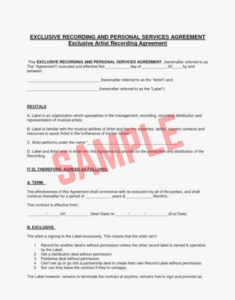
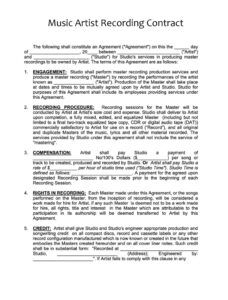
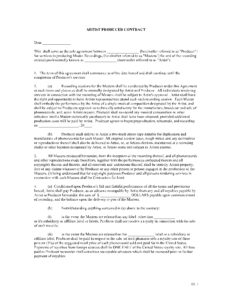
Making music is the fun part but selling it requires a bit of paperwork to stay protected. When you finally find a buyer for your beat who wants to own it completely you need a solid producer exclusive rights contract template to ensure everything is handled professionally. Having this document ready means you will not be scrambling at the last minute when a big opportunity comes knocking on your studio door. It establishes a sense of trust between you and the artist while making sure that everyone knows exactly where they stand regarding ownership and future earnings.
Many producers start out selling leases which is a great way to generate recurring income from the same piece of music. However the jump to exclusive sales is where the real business begins for many high level creators. It signifies a transition from being a hobbyist to a professional who understands the value of their intellectual property and how to transfer it legally. When an artist asks for an exclusive they are looking for the peace of mind that no one else will ever use that same sound again and you should be compensated fairly for that loss of future leasing revenue.
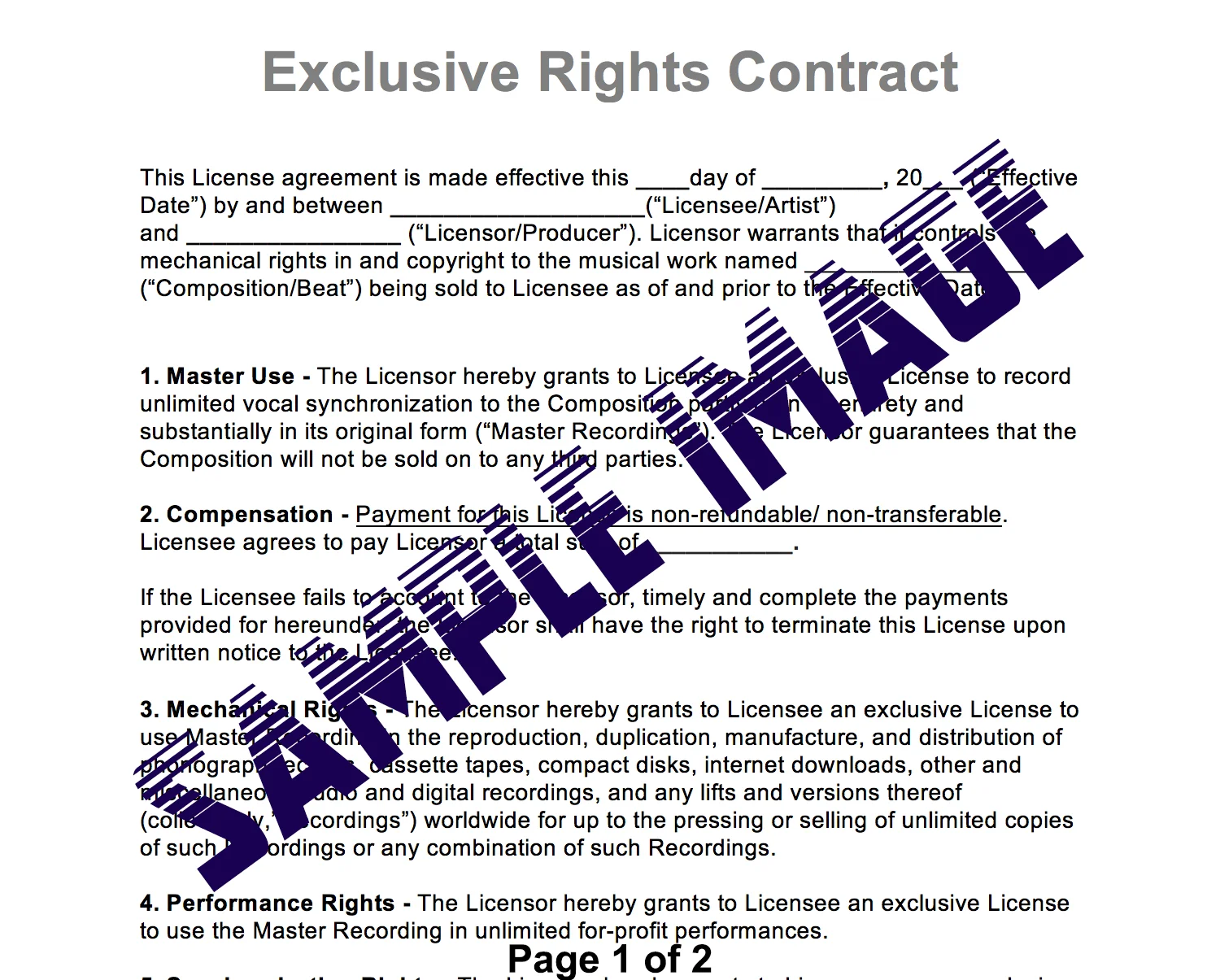
It is not just about the money because a well crafted agreement protects your reputation and your future royalties too. Without a clear paper trail you might find yourself in a messy legal situation if the song ends up becoming a global hit. That is why understanding what goes into these documents is just as important as the music production itself. By using a standardized format you can spend less time worrying about legal jargon and more time creating the sounds that artists want to buy.
Understanding the Mechanics of Exclusive Ownership
When an artist buys exclusive rights they are essentially asking for the sole right to use that specific piece of music. This means you can no longer sell that same beat to anyone else. It is a one time deal that usually commands a much higher price point than a standard lease because you are giving up all future sales potential for that specific track. This is why having a producer exclusive rights contract template is so vital to ensure that your rights are still respected even after the sale is complete.
Even though the artist now has the exclusive right to use the beat you still maintain your status as the original creator. This distinction is important for your professional portfolio and for claiming your share of publishing. Most contracts will state that while the artist owns the recording the producer still retains their share of the underlying composition. This means if the song gets played on the radio or streamed on major platforms you are still entitled to your performance royalties as the composer.
Defining the Scope of the Transfer
You also have to think about the duration and the territory of the agreement. Most exclusive deals are for the life of the copyright and cover the entire world. This is standard in the digital age where a song uploaded in London can be a massive success in Tokyo overnight. Having a clear agreement helps define these boundaries so there is no confusion later on about where the artist can promote the music or how long they are allowed to keep it on streaming services.
The contract should also specify what happens to existing leases. If you have already sold five non exclusive leases for that beat before selling the exclusive rights you must make it clear that those existing leases remain valid. The exclusive buyer needs to know that while no new leases will be sold the people who bought it previously are still legally allowed to use it. This prevents you from being sued by the new owner for breach of contract when they hear another artist using the same instrumental.
Another major point to consider is the delivery of files. An exclusive buyer usually expects more than just a single high quality audio file. They will often want the tracked out stems so they can have the song professionally mixed and mastered with their vocals. Your agreement should state exactly what files will be delivered upon payment and how they will be sent. This keeps the transaction smooth and ensures the artist has everything they need to make a hit record.
Finally you should consider the right to use the finished song for your own promotion. Even though you sold the rights it is common for producers to include a clause that allows them to use a snippet of the song in their production reel or on their social media pages. This helps you build your brand by showing other potential clients that you are working with active artists and producing professional quality work that people are willing to pay top dollar for.
Essential Components of Your Agreement
A good agreement should be easy to read but comprehensive enough to cover the most common issues that arise in the music industry. You do not need to be a lawyer to understand the basic building blocks of a fair deal. The primary goal is to create a win win situation where the artist feels like they own the music and you feel like you have been compensated fairly for your hard work. Clarity is your best friend when it comes to legal documents.
When you are putting your document together you should make sure to include specific sections that address the financial and creative aspects of the deal. Each point serves as a safeguard for your career. If you are unsure about what to include you can look at the following list of standard items that most producers include in their contracts to keep things professional and transparent for all parties involved in the transaction.
- Full legal names and contact information for both the producer and the artist
- The total purchase price and the method of payment used for the transaction
- A clear description of the beat or instrumental being sold including the title
- Specific details regarding the split of publishing and songwriting credits
- The requirement for the producer to be credited on all versions of the song
- Provisions for how mechanical royalties will be handled for physical and digital sales
- A clause stating that the beat is original and does not infringe on other copyrights
Payment terms are perhaps the most immediate concern for any producer. You should decide if you are taking a flat fee or if you want an advance against future royalties. For most independent deals a one time payment is common but as you move up in the industry you might start asking for points on the backend. Your document should reflect these choices clearly so that there is no back and forth about money once the song starts generating revenue through streams and sales.
Navigating the music business is much easier when you have the right tools in your arsenal. A solid agreement is more than just a piece of paper because it represents the value of your art and your commitment to your craft. When you approach an artist with a professional document it changes the dynamic of the conversation. It shows that you are a business owner who takes their work seriously and expects the same level of respect in return.
By taking the time to set up your workflow with proper documentation you are building a foundation for long term success. You will find that artists are more comfortable spending larger amounts of money when they know that the legal side of things is handled. Keep creating great music and stay protected by ensuring every major sale is backed by a clear and fair agreement that honors your contribution to the song.