Managing disruptive conduct in communities, schools, or residential settings can be incredibly challenging. When verbal warnings and informal discussions prove ineffective, a more structured approach often becomes necessary. This is where an effective anti social behaviour contract template can provide a vital framework for addressing and resolving ongoing issues. Such a contract offers a clear, documented understanding of expected conduct and the consequences of failing to meet those standards.
These formal agreements are designed to help all parties involved establish clear boundaries and work towards a more harmonious environment. Understanding how to properly utilize and customize an anti social behaviour contract template empowers individuals, landlords, educators, and community leaders to proactively tackle problems. This article will guide you through the essentials of these contracts, including their key components and how to implement them effectively.
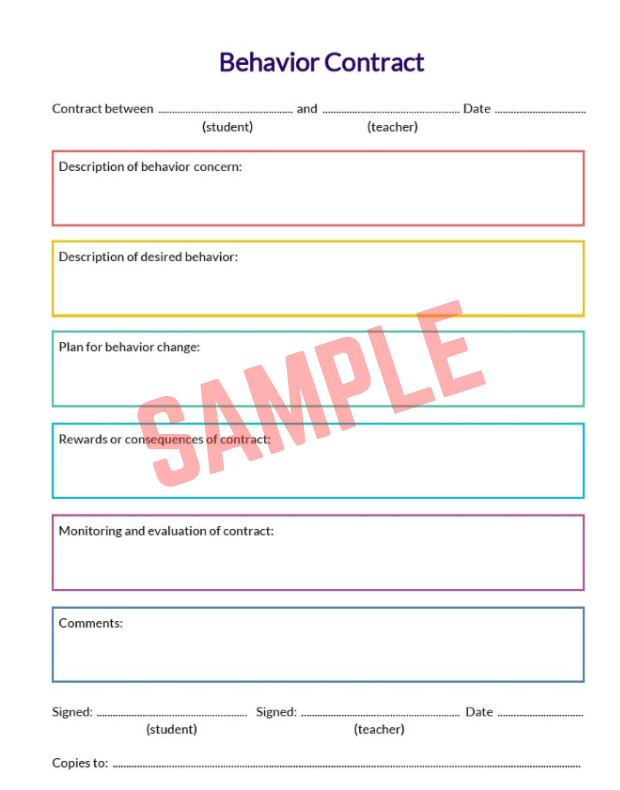
You will learn what constitutes anti-social behaviour, the benefits of using a formal contract, and explore a comprehensive sample template. By the end, you will be equipped with the knowledge to create and manage behaviour agreements that foster respect and cooperation.
Understanding Anti-Social Behaviour Contracts
Anti-social behaviour contracts serve as formal agreements designed to modify unacceptable conduct. They are particularly useful in situations where individuals consistently disregard community rules or show a lack of consideration for others’ well-being. These contracts aim to create a structured intervention, clearly outlining desired behaviours and the implications of non-compliance.
Such agreements are not merely punitive; they are often part of a broader strategy for behaviour management. They provide a documented plan for improvement, offering clarity to the individual exhibiting the behaviour and a sense of action to those affected. This proactive approach can prevent escalation and promote a safer, more respectful environment for everyone involved.
What Constitutes Anti-Social Behaviour?
Anti-social behaviour encompasses a wide range of actions that cause harassment, alarm, or distress to one or more people not of the same household. This definition can vary slightly depending on local laws and specific contexts. However, common examples include excessive noise, vandalism, intimidation, verbal abuse, littering, or misuse of public spaces.
The key characteristic is the negative impact these actions have on others or the wider community. It’s important to distinguish between minor annoyances and persistent behaviour that genuinely disrupts the peace and quality of life for others. A clear understanding of what constitutes anti-social behaviour is fundamental to drafting an appropriate contract.
Benefits of Using a Behaviour Contract
Implementing a formal behaviour contract offers numerous advantages for all parties involved. Firstly, it clearly communicates expectations, leaving no room for misunderstanding about what conduct is unacceptable. This transparency helps the individual understand precisely what changes are required.
Secondly, these contracts provide a documented record, which can be crucial if further action, such as legal intervention, becomes necessary. They offer evidence of attempts to resolve the issue informally and the individual’s response to those efforts. Furthermore, a well-structured agreement can empower victims or affected parties by demonstrating that their concerns are being taken seriously.
Finally, a behaviour contract can serve as a supportive tool for the individual to improve their conduct. It can include specific targets, timelines, and even offer support mechanisms to help them meet the agreed-upon standards. This structured approach often leads to more sustainable behaviour change.
Legal Considerations for Behaviour Agreements
While an anti-social behaviour contract is primarily an agreement between parties, it’s important to be aware of relevant legal considerations. These contracts are not always legally binding in the same way a commercial contract might be, but they can carry significant weight in formal proceedings. For instance, a contract might be presented as evidence of a pattern of behaviour or attempts at resolution.
In some contexts, such as tenancy agreements or school disciplinary procedures, specific legal frameworks may underpin the contract’s enforceability. Always ensure that the terms of your contract align with local laws and regulations concerning behaviour management and privacy. Consulting with a legal professional can be beneficial, especially in complex or high-stakes situations, to ensure the agreement is robust and fair.
Crafting an Effective Anti Social Behaviour Contract Template
Developing a strong anti social behaviour contract template requires careful thought and precision. It should be adaptable to various situations, whether dealing with noise complaints in a residential building or disruptive behaviour in a classroom. The goal is to create a document that is clear, actionable, and fair to all involved.
A well-designed template helps to streamline the process of addressing problematic behaviour, ensuring consistency and professionalism. It acts as a foundational tool that can be quickly customized, saving time and effort while maintaining a high standard of intervention. By understanding its core components, you can craft a powerful instrument for positive change.
Key Elements of a Robust Contract
A comprehensive anti-social behaviour contract should include several critical elements to be effective. These components ensure clarity, accountability, and a clear path forward for resolution. Each section plays a vital role in outlining expectations and consequences.
Key elements typically include:
- **Identification of Parties:** Clearly state who the contract is between (e.g., landlord and tenant, school and student).
- **Description of Behaviour:** Provide a specific, objective description of the anti-social behaviour that has occurred or is occurring. Avoid vague language.
- **Expected Conduct:** Outline the specific, measurable behaviours that are expected moving forward. For example, “Noise levels must be kept to a minimum between 10 PM and 7 AM.”
- **Consequences of Non-Compliance:** Detail the clear, escalating consequences if the terms of the contract are breached.
- **Support and Resources:** Where appropriate, include information about support systems or resources available to help the individual meet the contract’s terms.
- **Duration and Review:** Specify the timeframe for the contract and when it will be reviewed or re-evaluated.
- **Signatures and Dates:** Ensure all parties sign and date the agreement, indicating their understanding and acceptance of the terms.
These elements work together to form a clear and enforceable agreement that can genuinely lead to improved behaviour.
Customizing Your Template for Specific Situations
While a general anti social behaviour contract template provides a good starting point, its true effectiveness comes from customization. Every situation involving problematic behaviour is unique, requiring tailored solutions. Adapt the language and specific clauses to fit the context, whether it’s a student struggling with bullying or a resident causing disturbances.
Consider the specific nature of the behaviour, the environment it occurs in, and the individuals involved. For instance, a contract for a student might include provisions for parental involvement and school counseling. A contract for a tenant might reference specific clauses in their lease agreement. Tailoring the template makes the contract more relevant and therefore more impactful.
Implementation and Monitoring Strategies
The best anti-social behaviour contract template is only as good as its implementation and monitoring. Once the contract is signed, it’s crucial to have a clear strategy for putting it into action. This involves regular communication, consistent enforcement, and a willingness to review and adjust as needed.
Schedule regular check-ins with the individual to discuss their progress and any challenges they might be facing. Document all interactions, observations, and any instances of non-compliance. Be consistent with applying consequences as outlined in the contract, but also offer positive reinforcement when improvements are made. Effective monitoring ensures accountability and reinforces the serious nature of the agreement.
Sample Anti Social Behaviour Contract Template
Below is a sample structure for an anti social behaviour contract. This template provides a foundational framework that you can adapt and customize to fit your specific needs and circumstances. Remember to fill in the bracketed placeholders with the relevant information for your situation.
Section 1: Parties Involved
This Contract is made and entered into on this [Date] day of [Month], [Year], between:
- **Party 1 (e.g., Landlord/School/Community Authority):** [Full Name/Organization Name], represented by [Representative’s Name and Title]
- **Party 2 (Individual whose behaviour is being addressed):** [Full Name of Individual], of [Address/Student ID]
Section 2: Background and Purpose
This Contract is established due to concerns regarding [Party 2]’s behaviour which has been identified as causing harassment, alarm, or distress to others within [specify location, e.g., the residential property, school premises, community area].
The purpose of this Contract is to clearly outline expected standards of conduct and provide a framework for [Party 2] to improve their behaviour, fostering a positive and respectful environment for all.
Section 3: Description of Anti-Social Behaviour
The specific anti-social behaviours that have been identified include, but are not limited to, the following:
- [Example: Excessive noise (e.g., loud music, shouting) between 10:00 PM and 7:00 AM on multiple occasions.]
- [Example: Verbal aggression or disrespectful language directed towards neighbours/staff/students.]
- [Example: Littering or improper disposal of waste in communal areas.]
- [Add any other specific incidents or patterns of behaviour.]
Evidence supporting these concerns has been documented on [mention dates or types of evidence, e.g., dd/mm/yyyy, dd/mm/yyyy, incident reports].
Section 4: Agreed Standards of Conduct
[Party 2] agrees to adhere to the following standards of conduct, effective immediately:
- [Example: Maintain reasonable noise levels at all times, with strict quiet hours observed between 10:00 PM and 7:00 AM.]
- [Example: Engage in respectful communication with all individuals, refraining from verbal aggression, insults, or threats.]
- [Example: Properly dispose of all waste in designated bins and keep communal areas clean and tidy.]
- [Example: Adhere to all terms and conditions of their tenancy agreement/school code of conduct.]
- [Add other specific, measurable expected behaviours.]
Section 5: Consequences of Non-Compliance
Failure to comply with the agreed standards of conduct outlined in Section 4 will result in the following escalating consequences:
- **First Breach:** A formal written warning and a review meeting with [Party 1 Representative].
- **Second Breach:** [Specify consequence, e.g., Imposition of a fine, mandatory mediation session, referral to external support services, suspension from specific activities.]
- **Third Breach:** [Specify severe consequence, e.g., Initiation of eviction proceedings, permanent exclusion from school, involvement of law enforcement if applicable.]
Each breach will be thoroughly documented and communicated to [Party 2].
Section 6: Support and Review
To assist [Party 2] in meeting these expectations, the following support may be offered:
- [Example: Referral to a conflict resolution service.]
- [Example: Access to counselling or support groups.]
- [Example: Regular check-in meetings with [Party 1 Representative].]
This Contract will be in effect for a period of [e.g., 3 months] starting from the date of signing. A review meeting will be scheduled on or before [Review Date] to assess progress and determine if further action or amendments are necessary.
Section 7: Signatures
By signing below, both parties acknowledge that they have read, understood, and agree to the terms and conditions outlined in this Anti-Social Behaviour Contract.
___________________________
[Representative’s Name and Title for Party 1]
Date: ____________________
___________________________
[Full Name of Party 2]
Date: ____________________
___________________________
[Witness Name (Optional)]
Date: ____________________
This comprehensive structure ensures that all essential details are covered, making the contract clear, fair, and actionable. It serves as a strong foundation for managing and resolving anti-social behaviour effectively.
Utilizing an anti-social behaviour contract template provides a clear and structured pathway for addressing problematic conduct across various settings. By defining unacceptable actions, outlining expected standards, and establishing clear consequences, these documents empower individuals and organizations to foster more respectful and harmonious environments. They are invaluable tools for promoting accountability and facilitating positive change when informal interventions fall short.
Remember, the true strength of any behaviour contract lies in its thoughtful customization and consistent application. Take the time to adapt your chosen anti social behaviour contract template to the specific nuances of each situation, ensuring all parties understand their roles and responsibilities. By doing so, you can effectively manage challenging behaviours and contribute to a safer, more pleasant community for everyone.