In today’s digital age, data privacy is no longer just a buzzword; it’s a critical legal and ethical obligation for businesses. The California Consumer Privacy Act (CCPA), significantly updated by the California Privacy Rights Act (CPRA), sets stringent rules for how companies handle personal information, extending these protections to employees as well. Understanding and complying with these regulations is paramount for any employer operating within California or collecting data from its residents. 
Creating a legally sound and clear ccpa employee privacy notice template is essential for demonstrating transparency and ensuring compliance. This document informs your employees about the types of personal data you collect, why you collect it, and their rights regarding that information. Without a proper notice, businesses risk significant penalties and damage to their reputation. This article will guide you through the key elements of an effective notice and provide a sample template to help you get started.
Understanding CCPA and CPRA Requirements for Employee Data Privacy
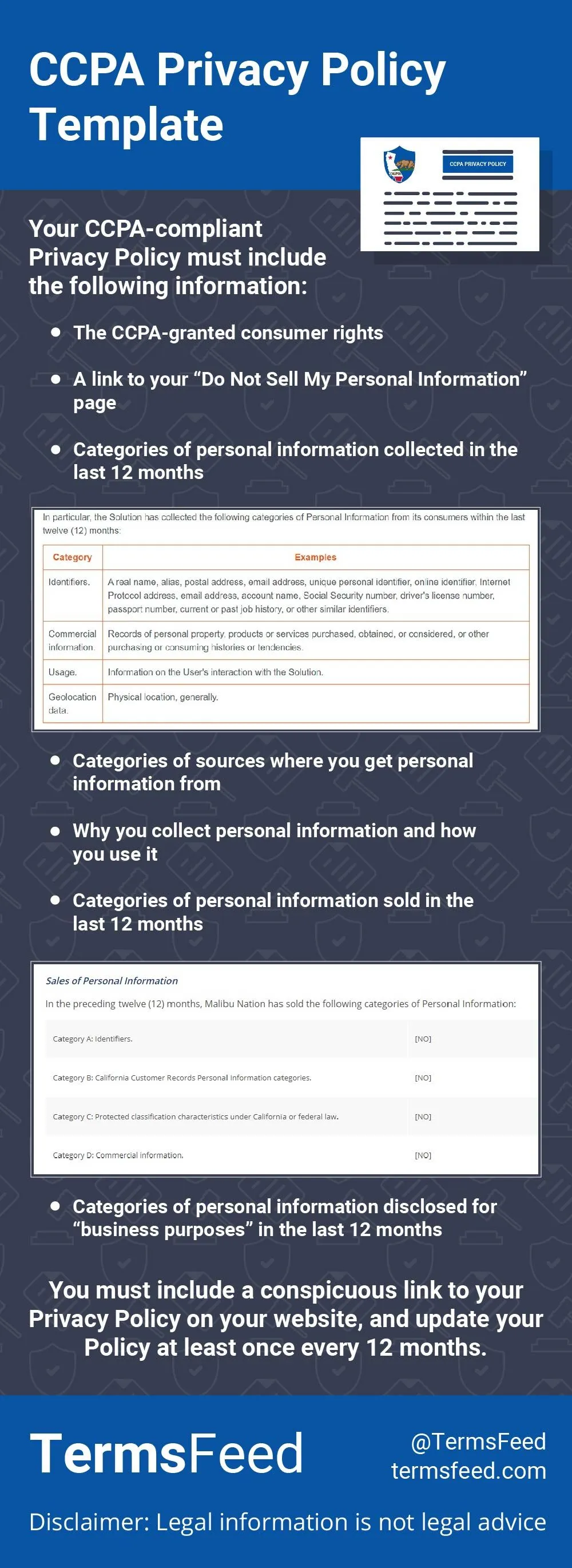
The California Consumer Privacy Act (CCPA), as amended by the California Privacy Rights Act (CPRA), specifically grants California employees certain rights regarding their personal information. Employers are now required to provide a clear and comprehensive privacy notice at or before the point of data collection. This notice must inform employees about the categories of personal information collected, the purposes for which it is used, and whether it is sold or shared.
Compliance with these regulations is not merely about avoiding fines; it builds trust with your workforce. A transparent approach to data handling fosters a positive work environment and assures employees their privacy is respected. Failing to provide an adequate ccpa employee privacy notice template can lead to legal challenges and significant reputational harm, making proactive preparation a smart business decision.
Here are the key elements typically required in an employee privacy notice under CCPA/CPRA:
- Categories of Personal Information Collected: Clearly list the types of data your organization gathers, such as identifiers (name, address, SSN), professional or employment-related information (resume, performance reviews), biometric data (fingerprints), and internet activity (browsing history on company devices).
- Purposes for Collection: Explain why each category of data is collected. Common reasons include payroll, benefits administration, HR management, security, and legal compliance.
- Sources of Collection: Indicate where the personal information comes from, such as directly from the employee, from background check providers, or from publicly available sources.
- Disclosure to Third Parties: Specify if any personal information is shared with third parties, including service providers, vendors, or government entities, and for what purpose.
- Employee Rights: Inform employees of their rights under CCPA/CPRA, which include the right to know, the right to delete, the right to correct inaccurate personal information, the right to limit sensitive personal information use, and the right to non-retaliation for exercising these rights.
- How to Exercise Rights: Provide clear instructions on how employees can submit requests to exercise their privacy rights, including contact information and any required verification processes.
- Effective Date: Include the date the notice was last updated or became effective.

Sample CCPA Employee Privacy Notice Template
Below is a simplified **ccpa employee privacy notice template** designed to cover the basic requirements. Remember, this is a sample and should be reviewed by legal counsel to ensure it meets your specific organizational needs and the latest regulatory updates.
[Your Company Name] – California Employee Privacy Notice
Effective Date: [Month Day, Year]
This California Employee Privacy Notice (“Notice”) applies to current and former employees, job applicants, and independent contractors who are California residents (“Employees” or “you”). It describes the categories of personal information we collect, the purposes for which we collect it, and your rights concerning that information under the California Consumer Privacy Act (CCPA), as amended by the California Privacy Rights Act (CPRA).
1. Categories of Personal Information Collected
We may collect the following categories of personal information about you:
- Identifiers: Real name, alias, postal address, unique personal identifier, online identifier, Internet Protocol address, email address, Social Security number, driver’s license number, passport number, or other similar identifiers.
- Personal Information Categories Listed in the California Customer Records Statute (Cal. Civ. Code § 1798.80(e)): Name, signature, Social Security number, physical characteristics or description, address, telephone number, passport number, driver’s license or state identification card number, insurance policy number, education, employment, employment history, bank account number, medical information.
- Protected Classification Characteristics: Age, race, color, ancestry, national origin, citizenship, religion or creed, marital status, medical condition, physical or mental disability, sex (including gender, gender identity, gender expression, pregnancy or childbirth and related medical conditions), sexual orientation, veteran or military status, genetic information.
- Professional or Employment-Related Information: Current or past job history or performance evaluations, employment status, salary, benefits, sick leave, vacation.
- Non-Public Education Information: Education records directly related to a student maintained by an educational institution (e.g., grades, transcripts).
- Internet or Other Electronic Network Activity Information: Browsing history, search history, and information regarding an Employee’s interaction with an internet website, application, or advertisement, particularly on company devices or networks.
- Biometric Information: Fingerprints for timekeeping purposes (if applicable).
- Geolocation Data: Physical location or movements through company-issued devices (if applicable).
- Audio, Electronic, Visual, Thermal, Olfactory, or Similar Information: Recorded phone calls, video surveillance footage.
2. Purposes for Collecting Your Personal Information
We collect and use your personal information for various human resources and business purposes, including, but not limited to:
- Payroll and compensation administration.
- Benefits administration (health, dental, vision, retirement, etc.).
- Recruitment, onboarding, and offboarding processes.
- Workforce management and planning.
- Performance management and employee development.
- Communicating with you about your employment.
- Ensuring workplace safety and security.
- Compliance with legal and regulatory obligations.
- Internal auditing, reporting, and business analysis.
- Administering and maintaining IT systems and infrastructure.
- Protecting company assets and intellectual property.
3. Disclosure of Personal Information
We may share your personal information with third parties for legitimate business purposes, including:
- Service Providers: Vendors who perform services on our behalf, such as payroll processors, benefits administrators, IT support, and background check providers.
- Government Entities: As required by law, such as for tax purposes, unemployment claims, or worker’s compensation.
- Affiliates: Other entities within our corporate family for internal business purposes.
- Legal Obligations: To comply with subpoenas, court orders, or other legal processes.
We do not “sell” or “share” (for cross-context behavioral advertising) the personal information of our Employees as those terms are defined under the CCPA/CPRA.
4. Your Privacy Rights
As a California resident, you have the following rights concerning your personal information, subject to certain exceptions:
- Right to Know: You have the right to request disclosure of the categories and specific pieces of personal information we have collected about you, the categories of sources from which it was collected, the business or commercial purpose for collecting it, and the categories of third parties to whom we disclose it.
- Right to Delete: You have the right to request the deletion of personal information we have collected about you, subject to certain exceptions.
- Right to Correct: You have the right to request the correction of inaccurate personal information we maintain about you.
- Right to Limit Use and Disclosure of Sensitive Personal Information: You have the right to limit our use and disclosure of your sensitive personal information to that which is necessary to perform the services or provide the goods reasonably expected by an average consumer.
- Right to Non-Retaliation: We will not retaliate against you for exercising your privacy rights.
5. How to Exercise Your Rights
To exercise your rights under the CCPA/CPRA, please submit a verifiable request through one of the following methods:
- Email: [Your HR Email Address]
- Toll-Free Phone: [Your HR Phone Number]
- Mail: [Your Company HR Department Address]
We will verify your request by asking for information that matches the information we have on file for you. We may require additional verification depending on the nature of the request.
6. Contact Us
If you have any questions or concerns about this Notice or our privacy practices, please contact our HR Department at [Your HR Email Address] or [Your HR Phone Number].
Implementing a robust ccpa employee privacy notice template is a proactive step toward ensuring legal compliance and fostering a culture of transparency within your organization. This not only protects your business from potential legal challenges but also builds trust with your most valuable asset: your employees. Regularly reviewing and updating your privacy notice, ideally with legal counsel, will help ensure ongoing adherence to evolving data protection laws.
By providing clear communication about data handling practices, employers can strengthen their relationship with staff and demonstrate a commitment to ethical data stewardship. This investment in privacy documentation is a small effort with significant returns in compliance, reputation, and employee relations.