Navigating neighborly relations can sometimes be tricky, especially when it comes to shared property boundaries. A common area of contention often arises with division fences, which can lead to disagreements over maintenance, repair costs, or even the type of fence installed. When verbal discussions don’t yield results, a formal approach becomes necessary to protect your interests and ensure compliance.
This is where a well-crafted notice to fence letter template becomes an invaluable tool. It provides a clear, documented way to communicate your concerns, outline proposed actions, and formally request your neighbor’s participation in fence-related matters. Understanding how to use such a template can save you time, stress, and potential legal fees down the line.
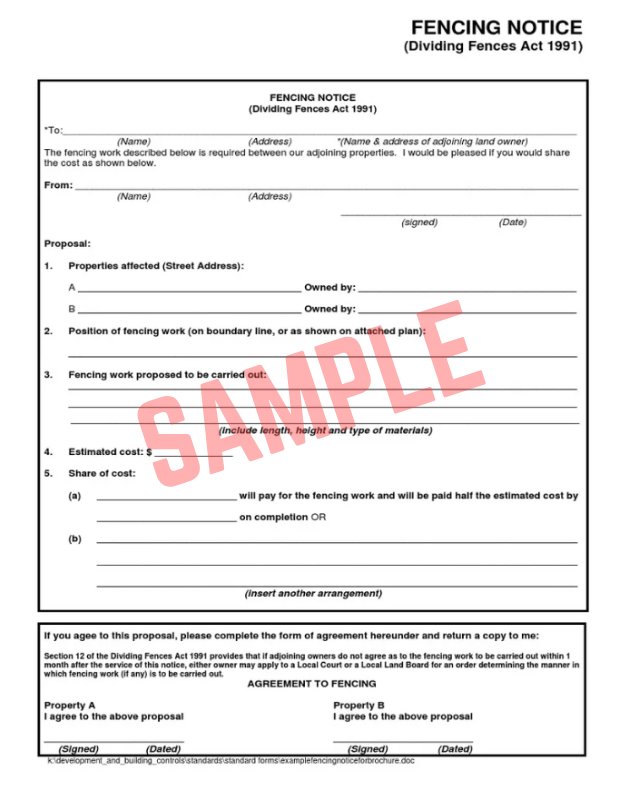
In this comprehensive guide, we will explore the nuances of shared fence responsibilities, detail the essential components of an effective notice, and provide a practical notice to fence letter template you can adapt for your specific situation. You’ll learn how to approach these conversations with clarity and professionalism, aiming for a cooperative resolution.
Understanding Shared Fence Responsibilities
Boundary fences, often called division fences, mark the line between two adjacent properties. The legal and practical responsibilities associated with these fences can vary significantly depending on local ordinances, state laws, and prior agreements between homeowners. It is crucial to understand these obligations before initiating any communication with a neighbor.
Many jurisdictions have specific rules regarding who is responsible for fence maintenance and repair costs. These laws often aim to ensure fairness and prevent one neighbor from bearing the entire burden or making unilateral decisions. Familiarizing yourself with these regulations can strengthen your position and inform your approach.
Legal Obligations for Boundary Fences
Most states operate under the principle that adjoining landowners share equal responsibility for division fences. This usually means that the costs of building, maintaining, and repairing a shared fence should be split evenly between both parties. However, local bylaws can introduce specific requirements regarding fence height, materials, and setbacks from property lines.
It is wise to research your specific municipal codes and state statutes concerning shared fences. You may find information on specific notice periods required before construction or repair, or guidelines on what constitutes a "sufficient" fence. Being informed legally will help you articulate your position clearly in any correspondence.
Common Causes of Fence Disputes
Fence disputes frequently arise from a variety of situations. One common trigger is the need for significant repairs due to damage from weather, age, or accidental impact, leading to questions about who pays for what. Another source of conflict can be the desire of one neighbor to upgrade or replace an existing fence, especially if the other neighbor is not interested or prefers a different style.
Disagreements over property lines, encroaching vegetation, or even the aesthetic appeal of a fence can also escalate into formal disputes. Sometimes, the issue isn’t about the fence itself, but rather a lack of communication or differing expectations between neighbors. Addressing these issues proactively is key.
The Importance of Clear Communication
Effective communication is the cornerstone of resolving any neighborly disagreement, especially those concerning shared fences. Before resorting to formal letters, an attempt at a friendly, face-to-face conversation can often de-escalate tensions and lead to a swift resolution. This initial chat allows both parties to express their views and find common ground.
When informal talks don’t work, a formal letter, such as a notice to fence letter template, provides a clear, written record of your intentions and requests. It ensures that there are no misunderstandings about what is being proposed or required. This documented approach can be essential if the dispute ever needs to be escalated to mediation or legal action.
Crafting an Effective Notice to Fence Letter Template
A well-structured notice to fence letter template serves as a formal request for action and a record of your communication. It should be clear, concise, and professional, avoiding emotional language. The goal is to inform your neighbor of the issue and your proposed solution, inviting their cooperation.
Remember to include all necessary details so your neighbor fully understands the situation and what is expected of them. A professional tone often encourages a more constructive response. This formal step can prevent misunderstandings and provide a clear timeline for resolution.
Key Elements of a Formal Request
Every effective notice to fence letter template should include several critical components. Start with your contact information and your neighbor’s contact information, along with the current date. Clearly state the purpose of the letter in the subject line, such as "Notice Regarding Shared Boundary Fence Repair."
In the body, precisely describe the fence in question, its location, and the specific issue requiring attention (e.g., "the shared fence between our properties at [Your Address] and [Neighbor’s Address] requires repair due to decaying posts"). Detail your proposed solution, estimated costs (if known), and your expectations for their contribution. Include a reasonable deadline for their response.
Tips for Professional Correspondence
Maintain a polite and respectful tone throughout your notice to fence letter template. Even if you are frustrated, an aggressive letter can make your neighbor defensive and less willing to cooperate. Clearly state the facts without making accusations or assumptions about their intentions.
Consider enclosing any relevant documents, such as contractor quotes, photos of the damage, or excerpts from local ordinances, as attachments. This provides concrete evidence and supports your claims. Always keep a copy of the letter and any attachments for your own records, and consider sending it via certified mail with a return receipt requested.
When to Send the Letter
The timing of sending a formal notice to fence letter template can be crucial. It’s generally best to send it after attempts at informal, verbal communication have not been successful. This demonstrates that you have tried to resolve the issue amicably before resorting to formal measures.
Send the letter well in advance of any planned work to allow your neighbor ample time to review your proposal and respond. Providing a reasonable timeframe for their reply, typically 14 to 30 days, shows goodwill and allows for proper planning on both sides. Immediate deadlines might be perceived as aggressive.
Sample Notice To Fence Letter Template
Here is a sample notice to fence letter template that you can adapt to your specific circumstances. Remember to replace the bracketed information with your details.
[Your Name]
[Your Address]
[Your City, State, Zip Code]
[Your Phone Number]
[Your Email Address]

[Date]

[Neighbor's Name]
[Neighbor's Address]
[Neighbor's City, State, Zip Code]

**Subject: Notice Regarding Shared Boundary Fence Repair/Replacement**

Dear [Neighbor's Name],

This letter concerns the shared boundary fence located between our properties at [Your Address] and [Neighbor's Address]. I am writing to you today regarding the current condition of this fence and the need for its repair/replacement.

Over the past few months, I have observed [describe the specific issue, e.g., several posts have rotted at the base, panels are loose and leaning, the fence was damaged in the recent storm]. This has resulted in [describe the impact, e.g., the fence becoming unstable, a significant portion falling, reduced privacy/security]. Maintaining a safe and secure boundary is important for both of our properties.

As you may know, under [mention relevant local ordinance or state law, if applicable, e.g., "local municipal codes regarding shared fences"], adjoining landowners typically share responsibility for the maintenance and repair of division fences. To address this issue, I have obtained estimates from several reputable contractors for the necessary work. [Optional: Attach copies of estimates for review].

Based on these estimates, the anticipated cost for the [repair/replacement] is approximately [Estimated Total Cost]. My proposal is that we share this expense equally, with each of us contributing [Your Share of Cost]. I believe this fair division of costs aligns with our shared responsibility for the boundary fence.

I would appreciate it if you could review this matter and provide your thoughts or any alternative proposals you might have. I am available to discuss this further at your convenience and can be reached by phone at [Your Phone Number] or email at [Your Email Address]. Please respond to this notice by [Date – e.g., 14-30 days from current date] so we can proceed with planning the necessary work.

Thank you for your prompt attention to this important matter. I look forward to working together to ensure our shared boundary fence is properly maintained.

Sincerely,

[Your Name]
This notice to fence letter template provides a structured and polite way to address a potentially sensitive issue. It clearly outlines the problem, proposes a solution, and requests a timely response, fostering a cooperative approach rather than an adversarial one. Remember to customize the details to accurately reflect your unique situation and local legal requirements.
Addressing shared fence issues early and formally can prevent minor problems from escalating into major disputes. By utilizing a clear and respectful notice to fence letter template, you set a professional tone and establish a clear record of communication. This approach not only protects your property interests but also helps maintain a positive relationship with your neighbor. Taking proactive steps ensures that property boundaries are well-defined and responsibly maintained for the benefit of all parties involved.