Navigating the complexities of landlord-tenant relationships can be challenging, especially when a tenancy needs to end without a specific fault from the tenant. Whether you’re a property manager, a landlord, or even a tenant receiving such a document, understanding the proper procedure is crucial. A well-crafted no cause eviction notice template serves as an essential tool, ensuring legal compliance and clear communication during this often sensitive process.
This article will guide you through the intricacies of terminating a lease without cause, highlighting its legal implications and providing a practical, ready-to-use template. You will learn what components are vital for a valid notice and why careful adherence to local laws is paramount for a smooth transition. Our aim is to equip you with the knowledge and resources for handling such situations effectively.
Understanding the Legalities of Terminating a Tenancy Without Cause
Terminating a tenancy without cause means ending a lease agreement when a tenant has not violated any terms of the rental contract. Landlords often use this type of notice for various reasons, such as wanting to move into the property themselves, selling the unit, or renovating extensively. It’s crucial to understand that “no cause” does not mean “no reason,” but rather no fault attributable to the tenant.
The legal landscape surrounding no cause eviction notices varies significantly by jurisdiction. Many states and cities have specific laws dictating how much notice a landlord must provide, which can range from 30 to 90 days, or even longer in some cases. Some areas also have rent control ordinances or “just cause” eviction laws that restrict a landlord’s ability to evict without cause, making it important to research local regulations thoroughly.
Before issuing any notice, landlords should consult their local housing authority or legal counsel to ensure full compliance. Improperly served notices or failure to adhere to local statutes can lead to legal challenges, delays, and significant financial penalties. Always prioritize legal accuracy and fairness.
Here are key considerations for a legally sound no cause eviction:
- Local Ordinances: Research city and county-specific laws, which often supersede state laws, especially in areas with strong tenant protections.
- Notice Period: Ensure you provide the minimum required notice as per your lease agreement and local law. This period starts from the date the tenant receives the notice, not the date it was sent.
- Service Method: Understand the legally accepted methods for serving an eviction notice (e.g., personal service, certified mail, posting).
- Lease Terms: Review the original lease agreement for any clauses related to lease termination and ensure the notice aligns with those terms.
- Fair Housing Laws: Ensure your decision to terminate is not discriminatory and complies with all fair housing regulations.
Crafting Your No Cause Eviction Notice Template
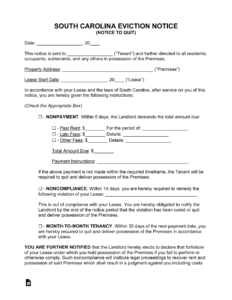
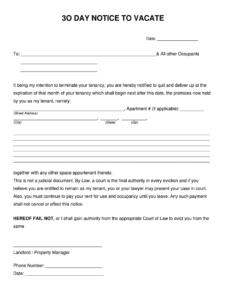
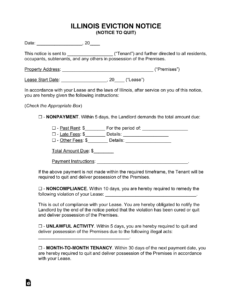
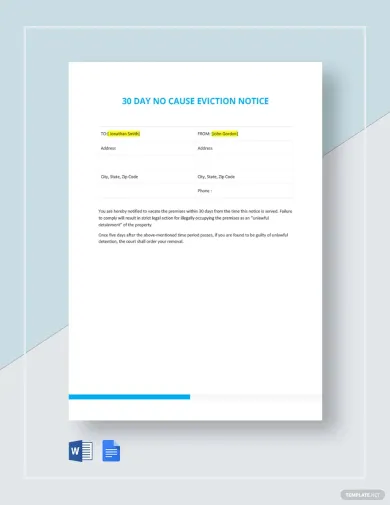
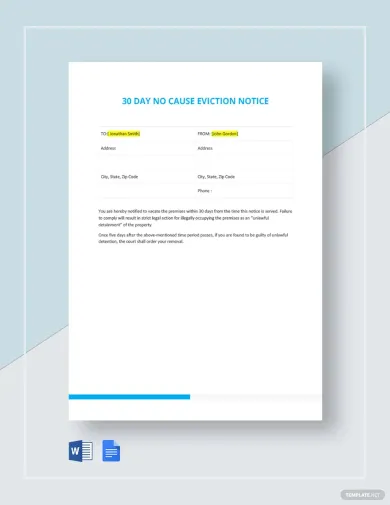
A comprehensive no cause eviction notice template should include specific details to be legally effective. Accuracy and clarity are paramount to avoid misunderstandings or legal disputes. Below is a sample no cause eviction notice template designed to be adaptable for various situations, providing a clear structure for your documentation.
Here is a detailed example of what your notice should contain:
[Your Name/Company Name]
[Your Address]
[Your City, State, Zip Code]
[Your Phone Number]
[Your Email Address]
[Date]
Tenant Name(s): [Tenant’s Full Name(s)]
Tenant Address: [Tenant’s Full Rental Property Address]
[City, State, Zip Code]
Subject: Notice of Termination of Tenancy Without Cause
Dear [Tenant’s Name(s)],
Please accept this letter as a formal written notice that your tenancy at the property located at [Rental Property Address] is hereby terminated. This termination is without cause, in accordance with the terms of our rental agreement and applicable state and local laws.
Your lease agreement will officially terminate on [Date of Termination, e.g., 60 days from notice date]. This date is [Number] days from the date of this notice, which complies with the minimum notice period required by [Your State] law and local ordinances.
You are required to vacate the premises, remove all personal belongings, and return possession of the property to the landlord by 5:00 PM on [Date of Termination]. Please ensure the property is left in a clean condition, reasonable wear and tear excepted.
We encourage you to contact us at [Your Phone Number] to schedule a move-out inspection and discuss the return of your security deposit. Information regarding the return of your security deposit will be provided as required by law.
We appreciate your cooperation in this matter. Please do not hesitate to reach out if you have any questions or require further clarification.
Sincerely,
[Your Printed Name/Company Name]
[Your Signature]
Remember, this sample no cause eviction notice template is a general guide. It is vital to customize it with your specific details and verify its alignment with all relevant state and local laws. This diligence will help ensure a legally sound and respectful process for all parties involved.
Finalizing the termination of a tenancy requires meticulous attention to detail and a clear understanding of legal requirements. Utilizing a structured no cause eviction notice template can streamline this process, protecting both landlord and tenant interests by ensuring all steps are handled correctly. Always remember to prioritize compliance with local housing laws to avoid potential legal complications and ensure a smooth transition for everyone involved.
For personalized advice and to confirm the specific legal requirements in your jurisdiction, consulting with a qualified attorney specializing in landlord-tenant law is highly recommended. This professional guidance can offer invaluable peace of mind and help guarantee your actions are fully compliant and legally enforceable.