Navigating the complexities of information requests can be a significant challenge for organizations, especially when disclosure is not appropriate. Public bodies, private entities with public functions, and even individuals receiving formal requests often need to decline access for various legitimate reasons. This requires a well-structured, legally compliant communication.

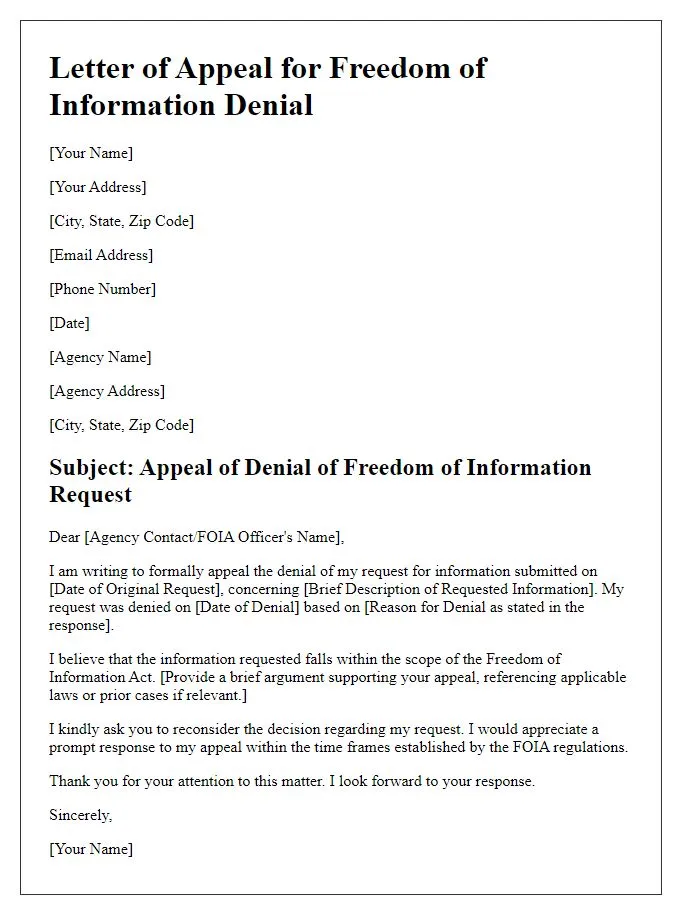
Understanding when and how to issue a refusal is crucial for maintaining transparency while protecting sensitive data. This article provides a comprehensive guide, including a ready-to-use freedom of information refusal notice template, designed to help you communicate denials clearly and effectively, ensuring compliance and minimizing potential disputes.
Understanding Freedom of Information Refusals and Their Importance
Freedom of Information (FOI) laws grant individuals the right to access information held by public sector organizations. These requests are fundamental to transparency and accountability. However, there are often valid grounds for organizations to refuse to disclose certain records.
A properly issued refusal notice is more than just a rejection; it’s a critical piece of administrative communication. It demonstrates that your organization has seriously considered the request, applied relevant legal frameworks, and is committed to due process. Failing to issue a clear and compliant notice can lead to appeals, reputational damage, and even legal action.
Whether you’re a government agency, a property manager handling tenant data, or an employer managing employee records, knowing how to appropriately respond to an information request is vital. This includes understanding the specific exemptions that permit a denial of access. Such understanding protects both the information holder and the individuals whose data might be involved.
Legal Justifications for Denying Information Requests
Refusing an information request is not an arbitrary decision; it must be based on specific legal exemptions or valid administrative reasons. Various jurisdictions have their own Freedom of Information Acts or similar legislation, outlining these permissible grounds for denial. Common reasons include protecting personal privacy, national security, commercial confidentiality, or legal privilege.
For instance, disclosing personally identifiable information (PII) without consent is often a breach of privacy laws. Similarly, information that could jeopardize ongoing investigations or compromise national security is typically exempt. Understanding these exemptions thoroughly is the cornerstone of a defensible refusal.
Before issuing any freedom of information refusal notice template, always refer to the specific laws governing your jurisdiction and the nature of the information requested. Consulting with legal counsel is advisable when dealing with complex or high-stakes requests. This ensures your refusal is legally sound and robust against potential challenges.
Crafting Your Effective Freedom of Information Refusal Notice Template
A well-crafted refusal notice clearly communicates the decision, states the legal basis for the denial, and informs the applicant of their review rights. It should be professional, precise, and easy to understand. Below is a sample freedom of information refusal notice template that you can adapt for your specific needs.

This template serves as a starting point. Remember to customize the bracketed information and ensure all details are accurate and pertinent to your situation. Maintaining a consistent format helps ensure all necessary information is included for every denial of access.
Sample Freedom of Information Refusal Notice Template
[Your Organization's Letterhead]
[Date]
[Requester’s Full Name] [Requester’s Address] [Requester’s City, State, Zip Code]
Subject: Refusal of Information Request – [Your Reference Number]
Dear [Requester’s Full Name],
This letter acknowledges receipt of your Freedom of Information request dated [Date of Request], seeking access to [briefly describe the information requested, e.g., “all records pertaining to the project ‘Alpha’ between 2022 and 2023”]. Your request was assigned reference number [Your Reference Number].
After a thorough review of your request and the relevant records, we regret to inform you that access to the requested information is refused.
Our decision to refuse access is based on the following exemption(s) under [Cite relevant Freedom of Information Act or relevant Statute, e.g., “Section X of the [Your Jurisdiction’s] Freedom of Information Act”]:
- [Exemption 1: State the specific legal exemption(s) clearly, e.g., “Section 15(1)(b) – Personal Information of Third Parties”].
- [Explanation 1: Provide a brief, concise explanation of why the exemption applies, e.g., “The requested records contain personal information of individuals other than yourself, the disclosure of which would constitute an unwarranted invasion of their personal privacy.”].
- [Exemption 2: If multiple exemptions apply, list each one separately.]
- [Explanation 2: Explain why each additional exemption applies.]
We have considered whether it would be appropriate to release a redacted version of the documents. However, due to [state reason for not redacting, e.g., “the extensive nature of the exempt information” or “the information being inextricably linked”], full disclosure or partial disclosure with redactions is not feasible.
You have the right to request a review of this decision. If you wish to appeal this refusal, you may do so by [describe appeal process, e.g., “submitting a written request for internal review to [Name/Title of Review Officer] at [Address of Review Officer] within [Number] business days of the date of this letter”]. Alternatively, you may apply directly to [Name of independent oversight body, e.g., “the Information Commissioner’s Office”] for an independent review.
We appreciate your understanding in this matter.
Sincerely,
[Your Name/Title] [Your Department/Organization] [Your Contact Information]
Key Elements of a Legally Sound Information Access Denial
Beyond the actual template, understanding the critical components that make a refusal notice legally sound is paramount. Each element serves a specific purpose in justifying the denial and guiding the applicant. Neglecting any of these can weaken your position in case of an appeal.
First, always include a clear reference number and the date of the original request. This helps both parties track the communication history effectively. Clearly stating the specific legal exemption(s) under which the refusal is made is non-negotiable. Merely saying “it’s confidential” is insufficient; you must cite the exact section of the relevant statute.
Furthermore, provide a brief, yet sufficient, explanation for why each exemption applies to the specific information requested. This rationale demonstrates that a thoughtful assessment occurred. Finally, it is crucial to clearly outline the applicant’s rights of review or appeal, including the procedure and deadlines. This ensures due process and complies with transparency requirements.
Effectively managing freedom of information requests, including issuing a professional freedom of information refusal notice template, is a cornerstone of good governance and transparent operations. Utilizing a clear, legally compliant template not only streamlines your administrative processes but also reinforces your organization’s commitment to accountability. By understanding the legal grounds for refusal and meticulously crafting your notice, you can navigate these challenges with confidence and precision.
Always remember to customize the provided template with precise details relevant to your specific situation and jurisdiction. Consulting legal experts when in doubt about complex cases ensures your actions remain compliant and defensible. Equip yourself with the right tools to manage information access requests efficiently and professionally.