So, your kid is back in their old bedroom, and things feel a little different than they did when they were ten. It is a common situation these days, but it often brings up some tricky conversations about money, chores, and boundaries. Using an adult child living at home contract template can be a game-changer for everyone involved because it turns vague assumptions into clear agreements. Instead of guessing who is buying the milk or if Tuesday night is still family dinner night, you have a solid plan in place to keep the peace and maintain your relationship.
The transition from a parent-child relationship to a roommate-style dynamic is not always easy. Many parents find themselves falling back into old habits like doing their child’s laundry or cleaning up after them, which can lead to resentment over time. Likewise, the young adult might feel like their independence is being stifled if they still feel like they are being treated like a teenager. This is exactly why a formal or semi-formal agreement is so helpful. It sets the stage for a mature environment where everyone’s needs are heard and respected.
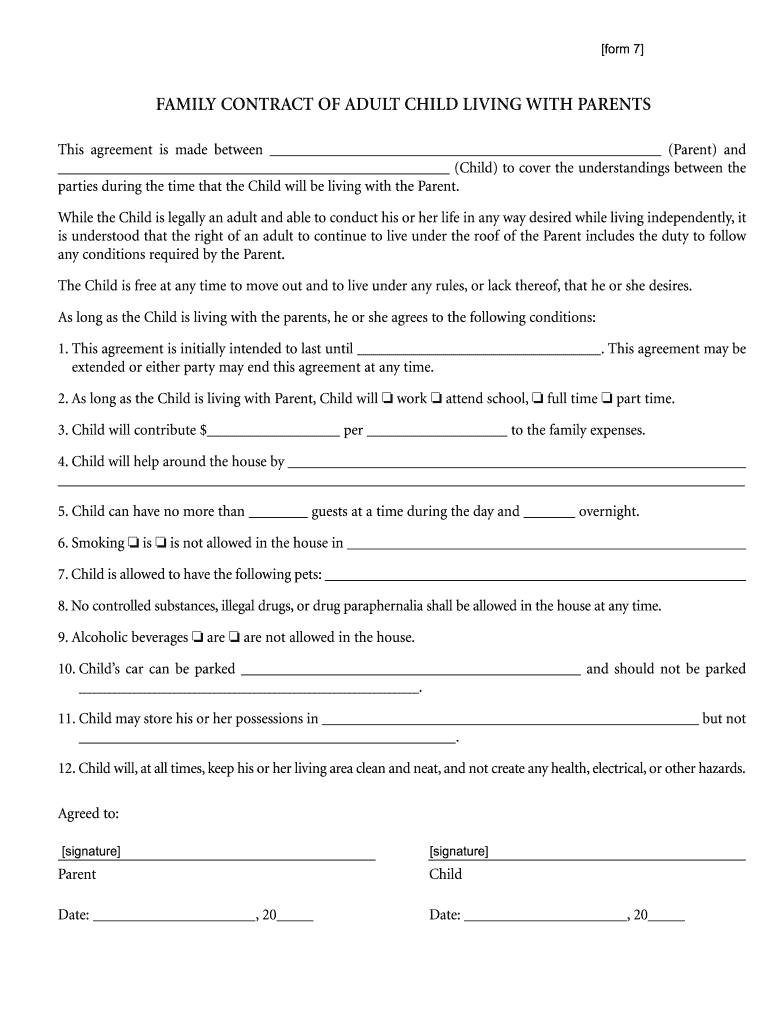
Starting this journey requires a lot of open communication and perhaps a few uncomfortable talks about finances and lifestyle choices. However, these conversations are much easier when you have a structured document to guide you. By laying everything out on paper, you remove the emotional weight of daily nagging and replace it with a set of mutually agreed-upon rules. This approach helps the adult child understand that living at home is a partnership and a privilege that comes with specific responsibilities, rather than just an extension of their childhood.
Establishing the Ground Rules for a Harmonious Household
Creating a framework for a shared living space is about more than just rules; it is about respect. When a grown person moves back in, the power dynamic needs to evolve. This transition is not always smooth, but having a written document helps bridge the gap. You might feel a bit awkward bringing it up at first, but most families find that it actually reduces tension in the long run. When expectations are written down, there is no room for the classic I did not know you wanted me to do that excuse.
One of the most important aspects of this agreement is how you handle shared spaces. The living room, kitchen, and bathroom are areas where conflict often arises. Decide early on how these spaces should be maintained. Is the kitchen expected to be clean every night before bed? Are there specific times when the common areas should be quiet? By answering these questions in advance, you prevent small annoyances from turning into major arguments that could damage your bond.
Financial Contributions and Expenses
Money is often the biggest hurdle to clear. Even if you do not want to charge your child a full market rate for rent, some form of financial contribution is usually a good idea. It teaches responsibility and helps cover the increased cost of utilities and groceries. You might decide on a flat monthly fee or ask them to take over specific bills like the internet or their own car insurance. This section of your agreement should be very specific to avoid any confusion when the bills come due.
Some parents choose to put the rent money aside in a savings account to give back to the child when they are ready to move out. This is a great way to help them build a nest egg while still maintaining the discipline of paying monthly expenses. Whatever you decide, make sure the amount and the due date are clearly stated. This helps the young adult manage their budget and prepares them for the realities of living entirely on their own in the future.
Household Responsibilities and Chores
Living at home should not mean living in a hotel. Everyone who lives in the house should contribute to its upkeep. This might include taking out the trash, mowing the lawn, or being responsible for their own grocery shopping and cooking. When you outline these chores, be sure to define what finished looks like. If the expectation is that the dishwasher is emptied every morning, make sure that is documented so there is no ambiguity about whose job it is.
It is also helpful to discuss long-term maintenance. If your child is handy with tools, perhaps their contribution could involve helping with home repairs or painting. The goal is to make sure that the workload does not fall entirely on the parents. By sharing the burden of household management, the adult child gains valuable life skills and feels more like an invested member of the household. This shared responsibility fosters a sense of teamwork rather than a lopsided dynamic.
Benefits and Practical Implementation of Your Agreement
Once you have decided to use an adult child living at home contract template, the next step is actually sitting down to fill it out together. This should be a collaborative process rather than a lecture. By involving your son or daughter in the decision-making, they are much more likely to respect the boundaries you set. It allows them to feel like an active participant in the household rather than a guest or a dependent, which is vital for their personal growth and your collective sanity.
Flexibility is another key component of a successful living arrangement. Life changes, and so do job situations or personal goals. It is a good idea to schedule a check-in every few months to see how the agreement is working for everyone. Maybe the chores need to be redistributed, or perhaps the financial situation has changed. By treating the contract as a living document, you show that you are willing to adapt and listen, which reinforces the mutual respect you are trying to build.
Finally, remember that the ultimate goal of this contract is to support your child as they transition to the next phase of their life. Whether they are saving for a house, finishing a degree, or looking for a new career path, the structure you provide at home can be the foundation for their success. Clear boundaries actually provide a sense of security. When everyone knows the rules, the home remains a place of support and comfort rather than a source of stress and conflict.
Implementing a structured agreement is one of the kindest things you can do for your family during this season of life. It provides a roadmap for a complicated situation and ensures that no one feels taken advantage of. While it might feel formal to have a signed document with your own family member, it serves as a helpful reminder that everyone is working toward the same goal: a peaceful, supportive, and functional home environment. This clarity allows you to focus on enjoying each other’s company rather than arguing over dirty dishes or unpaid bills.
Ultimately, the time your child spends at home as an adult can be a wonderful opportunity to build a new kind of friendship. By removing the guesswork through a clear set of expectations, you create space for meaningful conversations and shared memories. This period of life is a unique chapter, and with the right tools in place, it can be a positive experience for both parents and children alike. Setting these boundaries now ensures that when the time comes for them to move on, they do so with the skills and the relationship strength they need to thrive.