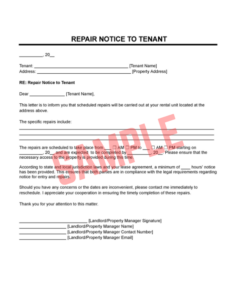
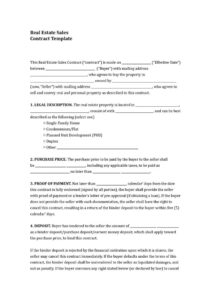
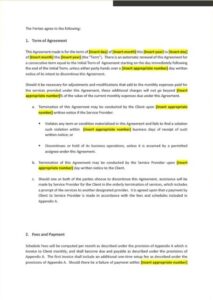
Navigating the complexities of commercial real estate can be a daunting task, especially when it comes to effective property management. From tenant relations to maintenance, the responsibilities are vast and require a structured approach. A robust commercial property management contract template is not just a document; it’s the cornerstone of a successful and legally sound property investment.
This comprehensive guide will demystify the critical elements of commercial property management agreements. We’ll explore why a well-crafted contract is indispensable, what key components it must include, and how you can tailor a template to safeguard your assets and ensure seamless operations. Understanding these agreements empowers property owners and managers alike, preventing costly disputes and fostering profitable partnerships.
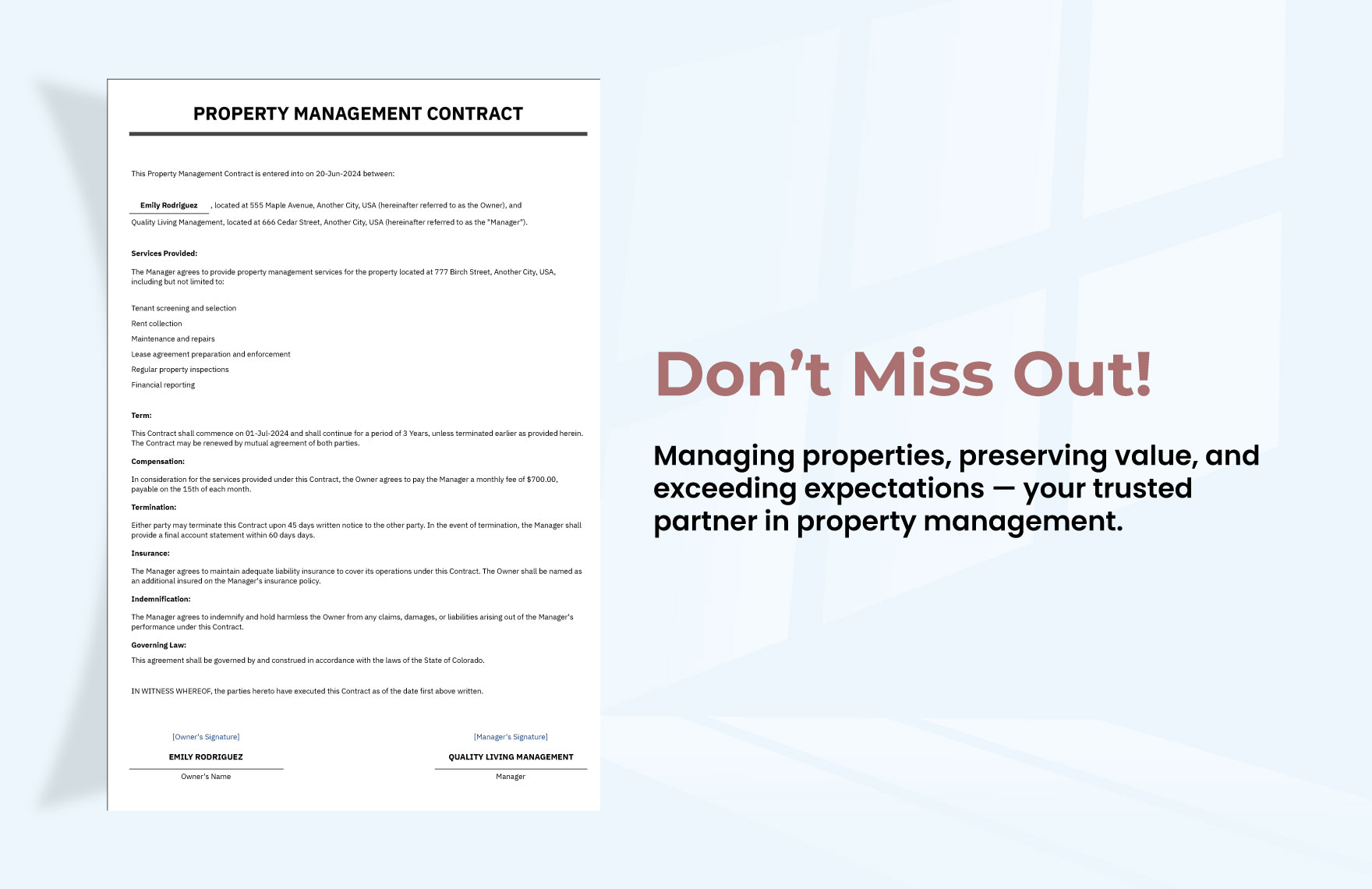
Understanding the Essentials of a Commercial Property Management Agreement
A commercial property management agreement (PMA) is a legally binding contract between a property owner and a property management company or individual. Its primary purpose is to define the working relationship, outlining how a commercial space will be managed and ensuring the property remains profitable and well-maintained. This agreement establishes a structured framework for daily operations and long-term asset management.
Without a clear agreement, ambiguity can lead to misunderstandings, stalled projects, and significant financial losses. Property managers provide expertise, staff, and resources to handle both major projects and day-to-day needs, which volunteer boards or individual owners may be less equipped to manage. A well-defined commercial property management contract template is crucial for clarity and accountability.
Key Components to Include in Your Contract
Every effective property management agreement shares core components, although specifics may vary depending on the property and owner expectations. First, it must clearly identify the parties involved: the property owner(s) and the property manager or management company, including their legal names and addresses. The property’s address, type (e.g., office, retail, industrial), and any unique features should also be detailed.
A crucial section defines the scope of services and responsibilities. This typically covers maintenance, rent collection, tenant communications, handling emergencies, and more. It also specifies the property manager’s role in budgeting, lease compliance, and financial reporting.
Defining Roles and Responsibilities
Clarity in defining roles and responsibilities is paramount. The agreement should explicitly state what the manager will and will not be responsible for, removing any ambiguity. This can range from comprehensive tenant acquisition services, including marketing and tenant screening, to overseeing repairs and maintenance and managing vendor contracts.
The contract should also detail how the property manager will address necessary maintenance, whether by reporting issues to the owner or taking direct action within established spending thresholds. Owner responsibilities, such as maintaining appropriate insurance coverage and approving larger repairs beyond a certain cost limit, must also be clearly outlined. Without these explicit definitions, disputes can easily arise.
Why a Solid Contract Protects Your Investment
A robust commercial property management contract template serves as a vital protective shield for your investment. It safeguards both the property owner and the manager by clearly setting out terms, responsibilities, and liabilities. In the complex world of commercial real estate, where significant capital investments are common, a clear and well-understood agreement is essential for preventing property-related issues.
Poorly drafted or vague agreements can lead to numerous problems, including delays, confusion over responsibilities, and costly legal disputes. By providing a structured framework, the agreement outlines legal and financial protections for both parties, helping to minimize legal risks and misunderstandings.
Mitigating Risks and Disputes
Clear agreements significantly reduce the risk of litigation and strengthen relationships by setting shared expectations from the outset. For instance, a well-defined clause on maintenance and repairs can prevent disagreements over who authorizes repairs, what spending limits apply, and how emergency repairs are handled. This also includes specifying how major repairs or capital upgrades are funded, which are typically the owner’s responsibility.
Termination clauses are equally important, outlining the conditions under which either party can end the agreement, the required notice period (often 30-90 days), and any associated fees or transition procedures. Explicitly addressing these scenarios upfront helps de-escalate potential conflicts before they turn into costly legal battles.
Ensuring Compliance and Accountability
Legal compliance is a critical aspect of any commercial property management agreement. The contract must ensure that the property is managed in accordance with all applicable laws and regulations, including fair housing laws, building codes, and environmental regulations. This protects the owner from potential legal liabilities arising from non-compliance.
The agreement also clarifies expectations by spelling out timelines for deliverables, reporting structures, and service standards, creating accountability on both sides. Consistent, professional communication and transparent financial reporting, including income, expenses, and any outstanding issues, are vital for maintaining trust and ensuring the manager is accountable for performance.
Customizing Your Template for Specific Properties
While general principles apply to all commercial property management contracts, the nuances of different property types necessitate customization. A generic commercial property management contract template might not adequately address the unique operational demands and tenant expectations of a retail center versus an industrial facility. Tailoring your agreement ensures it aligns perfectly with the specific characteristics of your investment and maximizes its potential.
Customization helps align expectations with the actual demands of the property, preventing oversight and ensuring specialized services are covered. This proactive approach guarantees efficient management and protects both owner and manager interests.
Tailoring for Retail, Office, or Industrial Spaces
Commercial properties come in various forms, each with distinct management requirements. For retail centers, the contract might emphasize frequent cleaning, parking lot maintenance, and coordination with anchor tenants for promotional events. Lease clauses might also focus on “use and exclusivity” to define tenant activities and prevent competition.
Office buildings often require provisions for concierge services, visitor management protocols, and detailed reporting on energy use or occupancy. Industrial properties, on the other hand, may prioritize infrastructure maintenance, loading dock schedules, and robust security measures. The contract should reflect these specialized needs, detailing the scope of work accordingly.
Important Clauses for Different Property Types
Beyond general services, specific clauses should be customized. For example, in a multi-tenant retail or office building, the agreement might include detailed provisions for Common Area Maintenance (CAM) fees, property taxes, insurance, and utilities, outlining how these additional costs are allocated and collected. This prevents confusion and ensures fair distribution of expenses among tenants.
For industrial properties, clauses related to environmental compliance, hazardous materials handling, or specialized equipment maintenance may be critical. The contract should also clearly define the property manager’s authority regarding lease negotiations, especially concerning maximum lease terms or specific conditions for different property types. This level of detail ensures comprehensive coverage.
Navigating Legalities and Standard Practices
Engaging in commercial property management involves a complex interplay of legal regulations and industry best practices. Even with a well-structured commercial property management contract template, understanding the broader legal landscape is crucial. These agreements are legally binding and must adhere to specific legal requirements to be enforceable.
Diligent review and understanding of legal terms, coupled with awareness of common pitfalls, can prevent significant challenges down the line. A strong contract not only defines the relationship but also acts as a guide through potential legal complexities.
State-Specific Regulations
Property management is often influenced by local market norms and state-specific regulations. While general contract principles apply nationwide, certain aspects, such as licensing requirements for property managers, trust account handling, or landlord-tenant laws, can vary significantly by state. It is essential to ensure your commercial property management contract template complies with all applicable local and state statutes.
For instance, state laws might dictate specific procedures for handling security deposits, eviction processes, or notice periods for lease terminations. Ignoring these regulations can lead to severe legal and financial repercussions. Consulting with legal counsel familiar with local real estate laws is always a wise step.
Common Pitfalls to Avoid
One of the most common pitfalls is a lack of clarity in lease terms and conditions, which can lead to costly disputes. Vague terms regarding lease length, renewal options, rent escalation clauses, or maintenance responsibilities must be explicitly outlined. Another issue is inadequate due diligence in property condition, potentially resulting in undiscovered structural or environmental problems.
Failing to define clear performance metrics and exit strategies can also be problematic. Contracts should address situations where either party may wish to terminate the agreement and outline the procedures and potential penalties. Moreover, some property owners may overlook the need for formal vendor agreements, leading to inflated costs or inconsistent service levels.
Comparing Key Aspects of Commercial Property Management Contracts
Understanding the various components of commercial property management contracts is critical for both owners and managers. This table compares key aspects, highlighting common structures and considerations.
| Aspect | Description | Common Variations/Considerations |
|---|---|---|
| Scope of Services | Defines manager’s duties (e.g., leasing, maintenance, financial reporting). | Full-service, leasing-only, maintenance-only, custom scope for specific property types (retail, office, industrial). |
| Compensation Structure | How the property manager is paid for services. | Flat monthly fee, percentage of collected rents (8-10% is common for full-service), combination, or additional fees for specific services (e.g., lease renewals, inspections). |
| Contract Term & Termination | Duration of the agreement and conditions for ending it. | Fixed term (e.g., 1-5 years) with automatic renewal clauses; early termination clauses, notice periods (30-90 days), and potential fees. |
| Maintenance & Repairs | Outlines responsibilities for property upkeep and emergency procedures. | Spending limits for manager without owner approval, emergency protocols, vendor selection process, who covers major capital repairs (typically owner). |
| Financial Responsibilities | Details regarding rent collection, budgeting, and expense management. | Rent collection, CAM reconciliation, operating expense allocation, reserve fund requirements, financial reporting frequency (monthly/quarterly). |
| Insurance & Liability | Specifies required insurance coverage and indemnification. | General liability, property, errors and omissions, workers’ compensation; mutual indemnification clauses, naming manager as additional insured. |
Expert Tips for a Seamless Commercial Property Management Partnership
Creating and maintaining a successful commercial property management partnership goes beyond simply having a contract. It requires proactive measures and clear communication to ensure both parties’ interests are protected and the property thrives. These expert tips will help you leverage your commercial property management contract template effectively and foster a strong working relationship.
- Conduct Thorough Due Diligence: Before signing any agreement, thoroughly vet the property management company or individual. Check references, reviews, and credentials to ensure they are reputable and experienced in commercial property management.
- Prioritize Clarity in All Clauses: Vagueness is the enemy of good contracts. Ensure every clause, from service scope to fee structures and termination procedures, is explicitly defined to prevent misunderstandings and disputes.
- Establish Clear Communication Protocols: The agreement should outline how and when communication will occur between the owner and manager. This includes reporting schedules, preferred contact methods, and response times for inquiries or emergencies.
- Define Performance Metrics: Go beyond simply listing responsibilities. Include measurable performance indicators for areas like occupancy rates, rent collection efficiency, maintenance response times, and budget adherence. This provides a basis for evaluating the manager’s effectiveness.
- Understand and Plan for Financial Aspects: Clearly detail the fee structure, including any additional charges, and how expenses will be managed and approved. Set up clear processes for funding operating expenses and contingency reserves.
- Review and Update Regularly: Property management is dynamic. Review your contract periodically, ideally annually, to ensure it remains relevant and addresses any changes in property conditions, market trends, or legal regulations. This proactive approach helps the agreement adapt to evolving circumstances.
Conclusion
A meticulously drafted commercial property management contract template is more than just paperwork; it’s a strategic asset that underpins the success and longevity of your commercial property investments. By clearly defining roles, responsibilities, financial arrangements, and dispute resolution mechanisms, it provides unparalleled protection and ensures efficient operation. Embracing clarity, thoroughness, and adaptability in your agreements will not only safeguard your interests but also foster a strong, transparent partnership with your property manager.
Investing time in creating a comprehensive and customized agreement upfront will save you from potential headaches, costly disputes, and operational inefficiencies down the road. Utilize a well-structured commercial property management contract template as your foundation, and always seek legal counsel to ensure it meets your specific needs and complies with all relevant regulations. Empower your commercial property ventures with the solid legal framework they deserve.