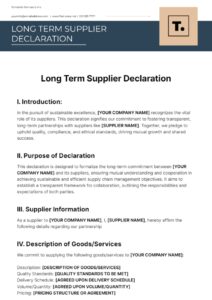
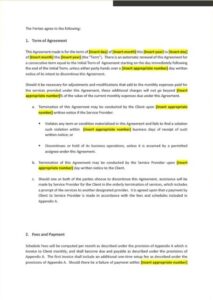
Navigating the complexities of modern supply chains requires robust partnerships and clear agreements. For businesses looking to outsource their logistics operations, a well-structured third party logistics contract template isn’t just a convenience; it’s a fundamental necessity. This crucial document forms the bedrock of your relationship with a 3PL provider, defining responsibilities, expectations, and crucial protections for both parties. Understanding how to draft or utilize an effective third party logistics contract template can save countless hours, prevent disputes, and ensure smooth operational flow.
The right logistics services agreement provides a clear roadmap for how goods will be stored, managed, and transported. Without a comprehensive framework, companies risk operational inefficiencies, unexpected costs, and legal vulnerabilities. This guide will walk you through the essential components of a strong 3PL contract, helping you to forge successful and secure logistics partnerships. We’ll explore key clauses, best practices, and offer actionable advice to protect your business interests while optimizing your supply chain.
Understanding the Core Components of a 3PL Agreement
A third party logistics (3PL) agreement is a legally binding document that outlines the terms and conditions between a company and its chosen logistics provider. It details the scope of services, performance metrics, and financial arrangements for outsourced supply chain functions. This foundational document ensures both parties understand their roles and obligations, minimizing potential misunderstandings.
The complexity of a 3PL contract template can vary greatly depending on the scope of services, from basic warehousing and transportation to more integrated supply chain management solutions. Regardless of the scale, certain core components are non-negotiable for a robust and effective agreement. These elements provide a complete picture of the partnership.
Defining the Scope of Services and Responsibilities
One of the most critical sections of any third party logistics contract template is the clear delineation of services. This section should precisely describe every task the 3PL provider is expected to perform. Examples include warehousing, inventory management, order fulfillment, transportation, cross-docking, and returns processing.
Specificity is key here. Avoid vague language that could lead to ambiguity down the line. Each service should have a corresponding description of the 3PL’s responsibilities, including any specific processes or technologies they will employ. It’s also crucial to identify which party is responsible for certain aspects like customs clearance, insurance, or specific regulatory compliance.
Establishing Performance Metrics and Service Level Agreements (SLAs)
To ensure accountability and measure the success of the logistics partnership, the contract must include clearly defined performance metrics and Service Level Agreements (SLAs). These metrics provide a quantifiable way to assess the 3PL’s operational efficiency. Common KPIs include on-time delivery rates, order accuracy, inventory shrinkage, and response times for inquiries.
SLAs should specify the expected performance levels for each metric and outline the consequences for failing to meet them. This might involve financial penalties, service credits, or even grounds for contract renegotiation or termination. Establishing these upfront creates a transparent framework for evaluating ongoing performance and fostering continuous improvement.
Navigating Legal and Financial Clauses in Your Logistics Partnership
Beyond the operational specifics, a comprehensive third party logistics contract template must include robust legal and financial clauses. These sections protect both parties from unforeseen circumstances, define liability, and manage the financial aspects of the arrangement. Overlooking these details can expose a business to significant risks and potential legal disputes.
Careful attention to these clauses ensures that the partnership operates on a sound legal and financial footing. It’s always advisable to have legal counsel review these sections to ensure they align with your business needs and legal jurisdiction. This proactive approach can mitigate many common contractual pitfalls.
Understanding Liability and Indemnification
The liability clause in a 3PL contract specifies who is responsible for damages, losses, or injuries that may occur during the course of the logistics services. This is particularly important for goods in transit or storage. It should clearly define the extent of the 3PL’s liability for loss or damage to inventory, equipment, or other assets.
Indemnification clauses protect one party from financial loss or legal responsibility incurred by the other. Typically, the 3PL will indemnify the client against claims arising from the 3PL’s negligence or breach of contract. Conversely, the client might indemnify the 3PL for issues stemming from inaccurate product information or dangerous goods not properly declared.
Payment Terms, Pricing Models, and Termination Clauses
Detailed payment terms are essential for financial clarity. This section should outline the pricing model (e.g., per unit, per square foot, fixed fee), billing cycles, payment due dates, and any late payment penalties. It should also address how changes in volume or service scope will affect pricing. Transparency in pricing prevents future disputes and ensures budget predictability.
Termination clauses define the conditions under which either party can end the agreement. These typically include reasons such as breach of contract, insolvency, or a specified notice period for termination without cause. It’s vital to include provisions for the smooth transition of operations and inventory upon termination to avoid disruptions to your supply chain. This often involves specific timelines for data transfer and physical inventory handover.
Essential Considerations for a Secure 3PL Contract Template
When developing or reviewing a third party logistics contract template, several additional considerations are paramount for a secure and long-lasting partnership. These elements address potential risks, ensure regulatory compliance, and safeguard sensitive information. A well-rounded contract anticipates various scenarios and provides clear guidance.
By including these clauses, businesses can build a more resilient and trustworthy logistics partnership. Proactive planning in these areas can significantly reduce operational interruptions and protect against unforeseen challenges. It shows a commitment to a thorough and professional engagement.
Data Security and Confidentiality Protections
In today’s digital age, data security is non-negotiable. Your third party logistics contract template must include robust clauses addressing the protection of sensitive information. This includes customer data, inventory details, pricing strategies, and other proprietary business information. The 3PL must commit to specific data security protocols, including compliance with relevant data protection regulations like GDPR or CCPA.
A confidentiality agreement (NDA) should either be a standalone document referenced in the 3PL contract or explicitly integrated within its terms. It should outline the types of information considered confidential, restrictions on its use and disclosure, and the obligations that continue even after the contract ends. This ensures your intellectual property and customer privacy are safeguarded.
Force Majeure and Dispute Resolution Mechanisms
Force majeure clauses protect both parties from liabilities stemming from unforeseeable events beyond their control, such as natural disasters, pandemics, or government actions. These clauses typically suspend contractual obligations during such events. It’s important to define what constitutes a force majeure event and the procedures for notifying the other party and resuming services.
Dispute resolution mechanisms are critical for addressing disagreements efficiently and cost-effectively. The contract should outline a clear process, starting with informal negotiations, moving to mediation, and potentially to arbitration or litigation as a last resort. Specifying the governing law and jurisdiction also provides clarity in case legal action becomes necessary.
Comparison of Key 3PL Contract Template Clauses
Understanding how different clauses function is vital for a robust logistics services agreement. This table compares key aspects you’ll find in any comprehensive third party logistics contract template, highlighting their purpose and what to look for.
| Clause Category | Key Purpose | What to Look For |
|---|---|---|
| Scope of Services | Defines all specific services the 3PL will provide. | Detailed list of services (warehousing, transport, fulfillment), specific processes, and included/excluded tasks. |
| Service Level Agreements (SLAs) | Sets measurable performance standards for the 3PL. | Quantifiable KPIs (e.g., 98% on-time delivery), performance targets, and penalties for non-compliance. |
| Liability & Indemnification | Allocates responsibility for loss, damage, or legal claims. | Clear limits of liability for goods, conditions for indemnification, and specific exclusions. |
| Payment Terms | Outlines pricing, billing, and payment schedule. | Detailed pricing model, billing frequency, payment due dates, and terms for price adjustments. |
| Termination | Specifies conditions for ending the agreement. | Notice periods, reasons for termination (with/without cause), and transition plans for inventory/operations. |
| Confidentiality & Data Security | Protects sensitive business information and data. | Definition of confidential information, data protection protocols, compliance with data privacy laws, and post-termination obligations. |
| Force Majeure | Addresses obligations during uncontrollable events. | Clear definition of events, notification procedures, and impact on contractual duties during such occurrences. |
| Dispute Resolution | Establishes a process for resolving disagreements. | Steps from negotiation to mediation/arbitration, governing law, and jurisdiction. |
Expert Tips for Customizing Your 3PL Contract Template
Even with a solid third party logistics contract template, customization is crucial to fit your unique business needs and the specific nature of your partnership. Generic templates can serve as a starting point, but tailoring them ensures all your particular requirements are met. These tips will help you optimize your logistics services agreement for maximum protection and efficiency.
Investing time in customizing your contract pays dividends by preventing future headaches and fostering a truly collaborative relationship. A well-adapted agreement reflects a deep understanding of your operational demands and risk profile. This attention to detail sets the stage for a successful long-term collaboration.
- Clearly Define Equipment and Technology Use: Specify who owns and maintains any specialized equipment or technology used in the logistics operations. This includes warehouse management systems (WMS), transportation management systems (TMS), and material handling equipment. Clarify integration requirements and data exchange protocols.
- Include Inventory Accuracy Guarantees: Demand specific guarantees regarding inventory accuracy and shrinkage allowances. This is vital for maintaining control over your assets and managing financial implications. Outline reporting requirements and audit rights.
- Address Insurance Requirements: Ensure the contract specifies the types and amounts of insurance coverage both parties must maintain, including cargo insurance, general liability, and professional liability. Require proof of insurance and appropriate endorsements naming your company as an additional insured.
- Plan for Peak Seasons and Scalability: Incorporate clauses that address how the 3PL will handle fluctuations in volume, especially during peak seasons. Discuss scalability options, surge pricing, and the process for increasing or decreasing service levels as your business evolves.
- Specify Communication Protocols: Establish clear communication channels, points of contact, and reporting frequencies. Define how issues will be escalated and resolved, ensuring a consistent flow of information between your team and the 3PL’s.
- Regular Review and Audit Rights: Include provisions for periodic reviews of performance, pricing, and service levels. Reserve the right to audit the 3PL’s facilities, inventory, and records to ensure compliance with the contract terms and operational standards.
A meticulously crafted third party logistics contract template is more than just a legal document; it’s a strategic tool for successful supply chain management. By focusing on clear definitions, robust legal protections, and adaptable terms, businesses can foster strong, reliable partnerships with their 3PL providers. This proactive approach ensures operational efficiency, cost control, and ultimately, enhanced customer satisfaction.
Taking the time to customize your logistics services agreement, addressing every detail from performance metrics to dispute resolution, will safeguard your interests and provide a solid foundation for growth. Implement these insights to develop an ironclad 3PL contract template that supports your business goals and secures your logistics future. Don’t leave your supply chain to chance; formalize your partnerships with precision.