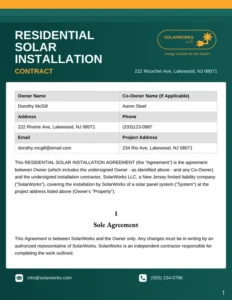
Starting a solar project is exciting because you are finally taking control of your energy bills and doing something great for the planet. However, before any panels hit your roof, you need to make sure everything is legal and clear, which is why having a solid solar panel installation contract template is so important for peace of mind. Without a written agreement, you might find yourself in a difficult spot if the work does not go as planned or if the equipment does not perform as promised.
Most people do not realize how many moving parts are involved in a solar installation. It is not just about screwing brackets onto a roof; it involves electrical engineering, local government permits, and complex utility company agreements. Because there are so many variables, a handshake deal simply will not cut it when you are investing thousands of dollars into your home infrastructure.
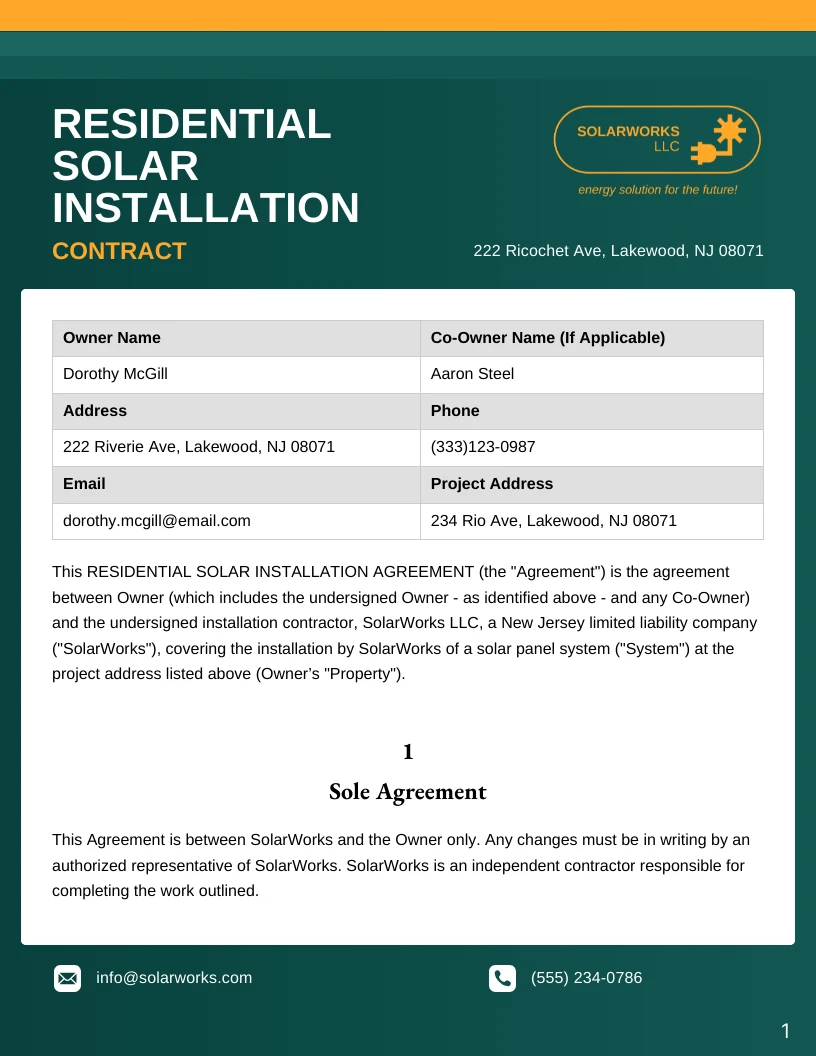
A good contract acts as a roadmap for the entire project. It sets expectations for when the work will start, how much it will cost, and what happens if something goes wrong. By taking the time to review a formal document, both the homeowner and the contractor can ensure they are on the same page from day one.
Key Sections You Need in Your Solar Agreement
When you first look at a solar panel installation contract template, it might seem overwhelming with all the legal jargon and technical specifications. However, the most vital part of any agreement is the detailed scope of work. This section should explicitly list every single piece of equipment that will be installed on your property, including the brand of the panels, the type of inverter being used, and even the mounting hardware.
Beyond the hardware, the scope should also cover the labor and the specific steps the contractor will take to complete the job. This includes getting the necessary permits from the city and ensuring the system is properly connected to the local power grid. If the contractor is responsible for the paperwork regarding tax credits or local rebates, that should be clearly stated here too so there is no confusion later.
Financial Milestones and Payment Schedules
One of the biggest points of friction in home improvement projects is the payment schedule. A fair contract will usually break down the total cost into several smaller payments tied to specific milestones. For example, you might pay a small deposit upfront, a second portion when the materials arrive, and the final balance only after the system is fully operational and has passed inspection.
It is also wise to include a section about what happens if there are unexpected costs. In the world of construction, hidden issues like a roof that needs extra reinforcement or outdated electrical panels can suddenly pop up. Your agreement should explain how change orders are handled and who is responsible for paying for these additional repairs if they become necessary during the installation process.
Timelines are another critical component that often gets overlooked until there is a delay. You should have a clear start date and a projected completion date in writing. While some delays are out of the contractor control, such as bad weather or slow government permit offices, having a general timeline helps keep the project moving forward and gives you a baseline for communication.
Long Term Protection and Warranties
Solar panels are meant to last for decades, so your contract must address what happens if they stop working. This means looking for two different types of warranties: the manufacturer warranty on the hardware and the contractor warranty on the workmanship. If a leak develops in your roof six months after the installation because a bolt was not sealed properly, you want to be sure the contractor is legally obligated to come back and fix it at no extra cost to you.
Why Local Regulations and Customization Matter
Every state and even some individual cities have their own specific rules when it comes to renewable energy and construction contracts. This means you cannot just grab any random document off the internet and assume it covers everything required by your local laws. Some regions have very strict consumer protection acts that require specific language regarding your right to cancel the contract within a certain number of days.
Furthermore, the way your utility company handles net metering can affect the technical details of your agreement. If your local utility requires specific shut off switches or meters, those requirements should be reflected in the technical specifications of your contract. Customizing your document ensures that you are not just following general best practices, but also complying with the specific legal environment of your area.
Finally, consider adding a clause about how disputes will be resolved. While no one goes into a project expecting to end up in a legal battle, it is much easier to decide on a mediation or arbitration process while everyone is still friendly. This can save you a significant amount of time and money if a disagreement arises regarding the performance of the system or the quality of the installation work.
Taking the step toward solar energy is a major milestone for any property owner. It represents a commitment to sustainability and a long term investment in the value of your home. By ensuring that every detail is captured in a formal written agreement, you are protecting that investment and building a professional relationship with your installer based on transparency and mutual respect.
In the end, a well prepared document serves as a safety net for everyone involved. It eliminates guesswork and provides a clear path forward through every phase of the project, from the first permit application to the moment you flip the switch and start generating your own clean power. With the right preparation and a thorough contract, you can focus on the benefits of your new system rather than worrying about the fine print.