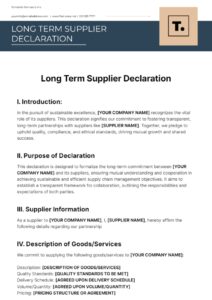
Running a successful business often depends on the strength of your partnerships and the reliability of your supply chain. However, there comes a time when a relationship with a vendor simply stops working for your specific needs. Whether it is due to a decline in quality, rising costs, or a change in your strategic direction, knowing how to end the relationship professionally is vital. Having a reliable termination of supplier contract template on hand can make this transition much smoother and ensure that you remain protected throughout the process. It serves as a roadmap to help you navigate the tricky waters of ending a professional agreement without burning bridges or inviting legal headaches.
When you decide to move on, the way you communicate that decision reflects heavily on your brand and your professional reputation. Breaking up with a supplier is not just about stopping a service or a shipment, it is about formally concluding a legal obligation that was previously agreed upon by both parties. If you handle the exit poorly, you might face delays in receiving final goods or even find yourself in the middle of a breach of contract dispute. Taking the time to do it right shows that you respect the work that was done while firmly stating your intention to close the current chapter.
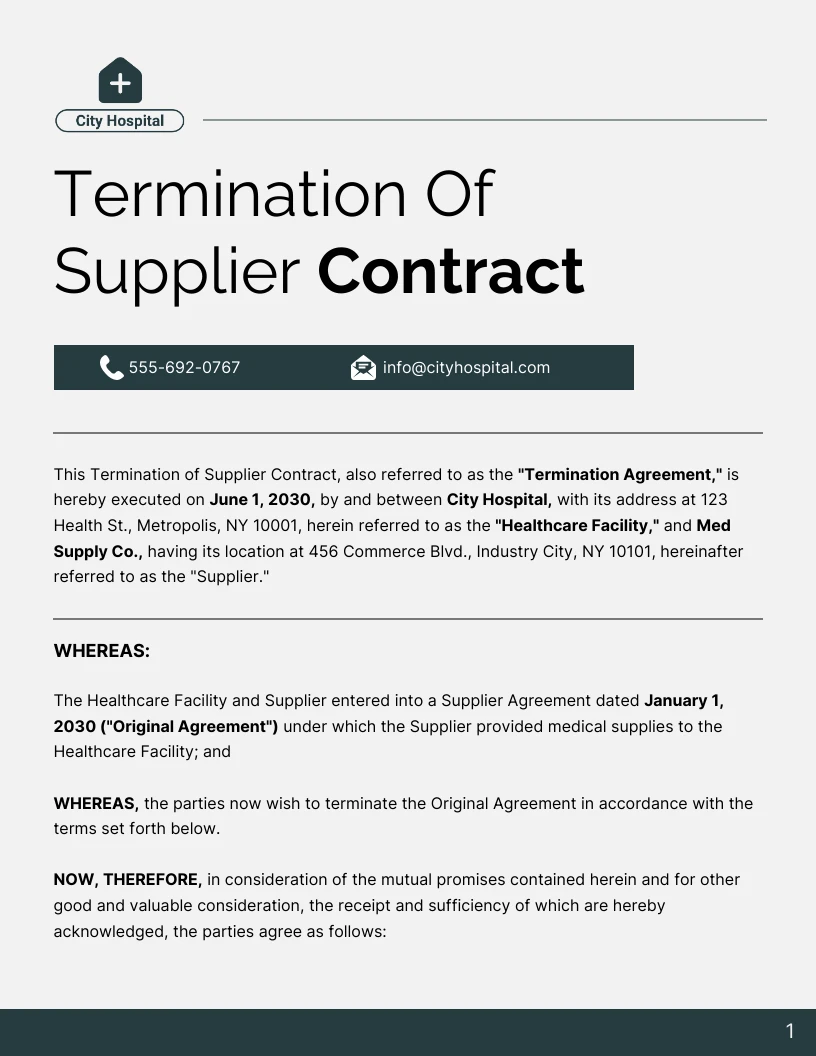
The goal is always to achieve a clean break where all parties understand their remaining duties. By using a structured approach, you ensure that no detail is overlooked, from the return of company property to the final settlement of invoices. Transitioning away from a supplier is a natural part of business growth and optimization, so there is no reason to feel hesitant if the move is in the best interest of your company. Preparation is the key to maintaining control over the narrative and the timeline of the separation.
Why Professional Documentation Matters During Vendor Transitions
Documenting the end of a business relationship is just as important as the initial agreement that started it. Without a clear paper trail, you leave your business vulnerable to misunderstandings and potential legal challenges. A formal letter or document ensures that both you and the supplier are on the same page regarding the effective date of the termination and any steps that need to happen before that date arrives. It removes the ambiguity that often comes with verbal conversations and provides a solid reference point if any disagreements arise later on. Using a termination of supplier contract template helps maintain consistency across your operations, especially if you manage multiple vendors at once.
When you provide a clear and concise notice, it allows the supplier to begin their own internal closing procedures. They may need to reallocate staff, stop production lines, or adjust their own supply orders. By giving them a formal notification, you are helping them manage their business while you focus on yours. This professional courtesy can prevent a lot of resentment and ensure that the final weeks or months of the contract remain productive and respectful.
Maintaining Legal Compliance and Security
Every contract usually has a section dedicated to how the agreement should be ended. This might include specific notice periods, such as thirty or sixty days, and the method by which the notice must be delivered. Following these rules to the letter is essential to ensure that your termination is legally valid. If the original contract requires a certified letter, sending a simple email might not be enough to satisfy the legal requirements. You need to verify that your actions align with the clauses you originally signed.
Furthermore, security is a major concern when ending a partnership. Suppliers often have access to your data, your physical premises, or your intellectual property. A formal termination process should outline exactly how these assets will be protected or returned. You might need to change access codes, revoke digital permissions, or request the return of prototype samples. Having these requirements listed clearly prevents any security gaps from being ignored during the rush of the transition.
Protecting Your Business Continuity
One of the biggest risks when leaving a supplier is the potential for a gap in your own service or production. If the exit is messy, the outgoing supplier might not feel inclined to help you transition to a new partner. By keeping things professional and documented, you increase the chances of a cooperative handover. You can request that the outgoing vendor provide necessary documentation or data that your new partner will need to pick up where the previous one left off.
Consistency in how you handle these situations also helps your internal teams. When employees see that there is a standard process for ending contracts, they feel more confident in managing the change. It reduces stress and ensures that everyone knows who is responsible for final payments and who is responsible for verifying the last shipment of goods. Ultimately, a well managed exit is a sign of a mature and organized business.
Drafting Your Termination Document Effectively
When you sit down to draft the actual notice, you should focus on being direct and factual. Avoid using emotional language or getting bogged down in grievances unless the contract specifically requires you to state a cause for termination. In many cases, you may be ending the agreement simply because the term has ended or because you have a right to terminate for convenience. State clearly that you are invoking your right to end the contract and cite the specific clause from the original agreement that allows you to do so. This grounds your decision in the legal reality of the partnership.
The document should also serve as a final checklist for any outstanding items. This includes financial obligations, the return of equipment, and the protection of confidential information. By laying these out in a list, you give the supplier a clear path to follow, which makes it easier for them to comply. It also serves as your own checklist to ensure you have fulfilled your part of the bargain before the relationship officially ends. Here are some common elements that should be addressed in the document:
Finalizing the financial side of the relationship is perhaps the most critical step to avoid future conflict. Make sure the document specifies when the final payment will be made and what conditions must be met for that payment to be released. This might include a final inspection of goods or the successful transfer of data. When both parties have a shared understanding of the financial exit, the likelihood of a legal dispute drops significantly. Once the letter is sent and the requirements are met, you can move forward with confidence, knowing that you have handled the situation with the highest level of professionalism.
Taking the time to refine your approach to vendor management pays dividends in the long run. Even though it might feel like a chore to prepare a detailed document, the peace of mind it provides is invaluable. You are not just ending a contract, you are protecting your time, your money, and your business reputation. As your company grows, you will likely find yourself using these processes more often, and having a standard way of doing things will save you countless hours of stress and uncertainty.
Always remember that the business world is surprisingly small. A supplier you leave today might be a partner you need in a different capacity years from now. By ending things on a high note and ensuring all legal and professional boxes are checked, you leave the door open for future opportunities. Focus on the facts, stay true to your contractual obligations, and use the right tools to ensure your transition is a success for everyone involved.