Starting a new building project is an exciting milestone, but it often comes with a mountain of paperwork that can feel a bit overwhelming. One of the most effective ways to manage the financial side of a project where the exact quantities of work are hard to pin down at the start is by using a unit price construction contract template. This type of document allows both the owner and the contractor to agree on a price for specific units of work, such as per cubic yard of concrete or per linear foot of piping, rather than committing to one giant lump sum for the entire job. It provides a level of clarity that helps everyone stay on the same page from the first day on the site until the final inspection is complete.
When you sit down to plan out your project, you might realize that some elements are easier to define than others. For example, you might know exactly how many doors you need, but you might not be sure how much earth needs to be moved until the digging actually starts. This is where the flexibility of this specific contract style shines. It creates a framework where the total cost is based on the actual amount of work performed, which protects the contractor from underestimating costs and protects the owner from overpaying for work that was not actually necessary. It is a fair way to do business that prioritizes transparency and measurable results over guesswork.
Choosing the right template is about more than just filling in the blanks. It is about establishing a professional relationship built on trust and clear expectations. By using a standardized format, you ensure that all the legal bases are covered and that there is a clear process for measuring work and issuing payments. This conversational approach to contracting makes it much easier to handle changes or unexpected soil conditions without ending up in a heated argument. In the following sections, we will dive deeper into how these contracts function and why they might be the best choice for your next big undertaking.
Understanding the Mechanics of Unit Price Agreements
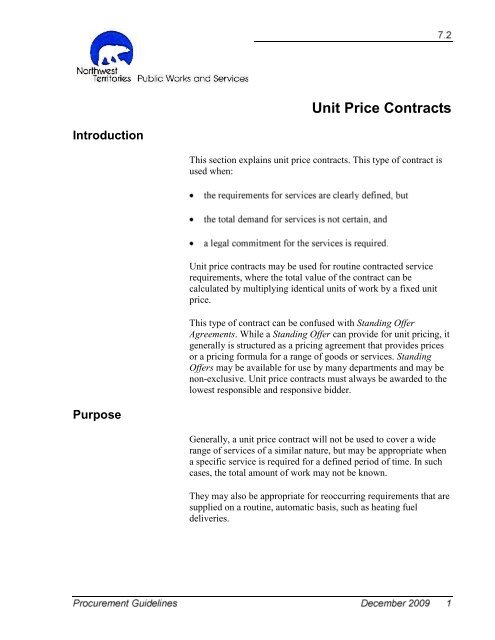
The core philosophy behind a unit price agreement is the idea of breaking a complex project into small, digestible pieces. Imagine you are building a long highway. It would be nearly impossible to know the exact amount of gravel or asphalt needed down to the last pound before you begin. Instead of trying to guess, the contractor provides a price for each unit. This means that as the work progresses, the owner pays for the actual quantity of materials used and the labor hours spent on those specific tasks. This method is incredibly popular in civil engineering and infrastructure projects because it allows for a high degree of precision in billing.
One of the most important aspects of making this system work is the initial estimate provided by the owner or their engineer. Even though the final price is based on actual units, there still needs to be a predicted quantity so that contractors can provide an accurate bid. If the estimate says there will be one hundred units of a certain material, and it turns out there are actually one hundred and ten units, the contractor is simply paid for the extra ten units at the pre-agreed rate. This prevents the need for a formal change order for every small fluctuation in material needs, which keeps the project moving forward without unnecessary administrative delays.
The Importance of Accurate Measurement
Since the payment is tied directly to units, the way those units are measured becomes the most critical part of the process. Usually, the contract will specify who is responsible for measuring the work and how often those measurements should be taken. Sometimes an independent third party or a project engineer will verify the quantities to ensure everything is fair. This step is vital because it prevents disputes at the end of the month when the invoice arrives. Everyone should have access to the data so that the math is easy to follow and verify against the physical work done on the ground.
Another thing to consider is how the unit prices are calculated. A contractor does not just look at the cost of the material; they also have to factor in their overhead, equipment usage, and profit margin into that single unit price. This means that if the price of a unit is fifty dollars, that fifty dollars covers everything related to that specific task. It makes the accounting side of construction much cleaner because you can look at a line item and see exactly what that part of the project is costing you in real time.
Handling Unforeseen Variations
While this contract style is flexible, it does usually include clauses to handle major variations. For instance, if the actual quantity of a unit ends up being twenty percent higher or lower than the original estimate, the parties might agree to renegotiate the unit price. This is because economies of scale can change depending on the volume. If a contractor expected to move a thousand tons of dirt but only moves ten tons, their fixed costs for bringing the machinery to the site might not be covered by the small unit price. These clauses ensure that the contract remains equitable even if the project scope shifts significantly.
Ultimately, the goal of using a structured template is to create a document that survives the realities of a busy construction site. It should be easy to read and even easier to implement. By focusing on the units of work, the conversation shifts from subjective opinions about progress to objective facts about quantities. This leads to a much smoother workflow and a better working environment for the crew and the project management team alike. When everyone knows how they are being measured and paid, they can focus on the quality of the craftsmanship rather than worrying about the fine print of the contract.
Key Benefits for Owners and Contractors
From the perspective of a project owner, the unit price model offers a significant layer of financial security. You are essentially paying for what you get, which is a very logical way to spend a budget. If the project requires less material than originally thought, those savings go directly back to the owner. This is a sharp contrast to a fixed-price contract where the contractor might keep the extra money if they find a way to use fewer materials. It creates an environment where honesty is the standard and the owner can see exactly where every dollar is going as the units are checked off the list.
For contractors, this approach reduces the risk of taking a massive loss on a project due to bad luck or hidden site conditions. If you encounter a patch of unexpected rock that takes longer to excavate, you are protected because you are being paid by the unit of work rather than a flat fee that did not account for the difficulty. It allows the contractor to focus on doing the job right without the pressure of cutting corners to stay within a rigid, poorly estimated lump sum budget. It encourages a partnership where both sides are working toward the same goal of finishing the project efficiently and correctly.
To make the most of this contracting method, there are a few best practices to keep in mind throughout the life of the project. These steps help ensure that the template you use translates into a successful real world experience for everyone involved in the build.
- Define the units of measure clearly to avoid confusion between metric and imperial systems.
- Set a regular schedule for measuring and verifying the work completed on site.
- Include a clear process for how to handle units that were not originally listed in the contract.
- Maintain open communication channels so that any discrepancies in quantities can be resolved immediately.
- Ensure that the payment terms reflect the time it takes to verify units after they are installed.
Navigating the world of construction agreements does not have to be a headache if you have the right tools at your disposal. By choosing a method that prioritizes clarity and fairness, you are setting your project up for success before the first shovel even hits the ground. It is all about finding a balance that works for your specific needs and ensures that the final result is something everyone can be proud of. With a solid plan in place, you can move forward with confidence, knowing that the financial and legal details are handled professionally.
As you move toward the completion of your project, you will likely find that the transparency provided by this contracting method has saved you from countless hours of negotiation and stress. The ability to track progress through tangible units makes it much easier to report to stakeholders or lenders about the status of the build. It turns the complex language of construction into a simple narrative of progress that anyone can understand. This level of organization is often what separates a successful project from one that gets bogged down in delays and budget overruns.