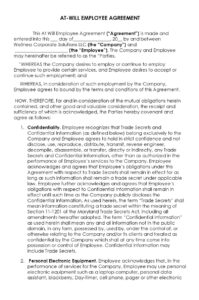
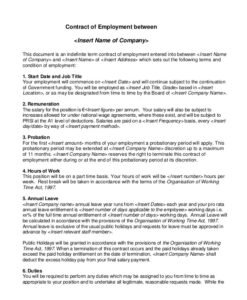
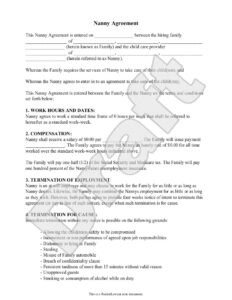
When businesses grow, merge, or restructure, managing the human resources side of things can get complicated. One of the most common tasks human resources professionals and business owners face during these transitions is moving a team member from one entity to another. To make this process smoother and legally sound, using a transfer of employment contract template is an excellent way to ensure that nothing slips through the cracks. It helps maintain a professional standard while providing both the employer and the employee with the necessary paperwork to document the change clearly.
Transitions can be stressful for employees who might worry about their benefits, seniority, or job security. By providing a well structured document, you are sending a signal that the company values transparency and is handled with professional care. It is not just about the legalities; it is about maintaining the trust that you have built with your workforce over the years. A clear document helps eliminate ambiguity and sets a positive tone for the next chapter of the professional relationship.
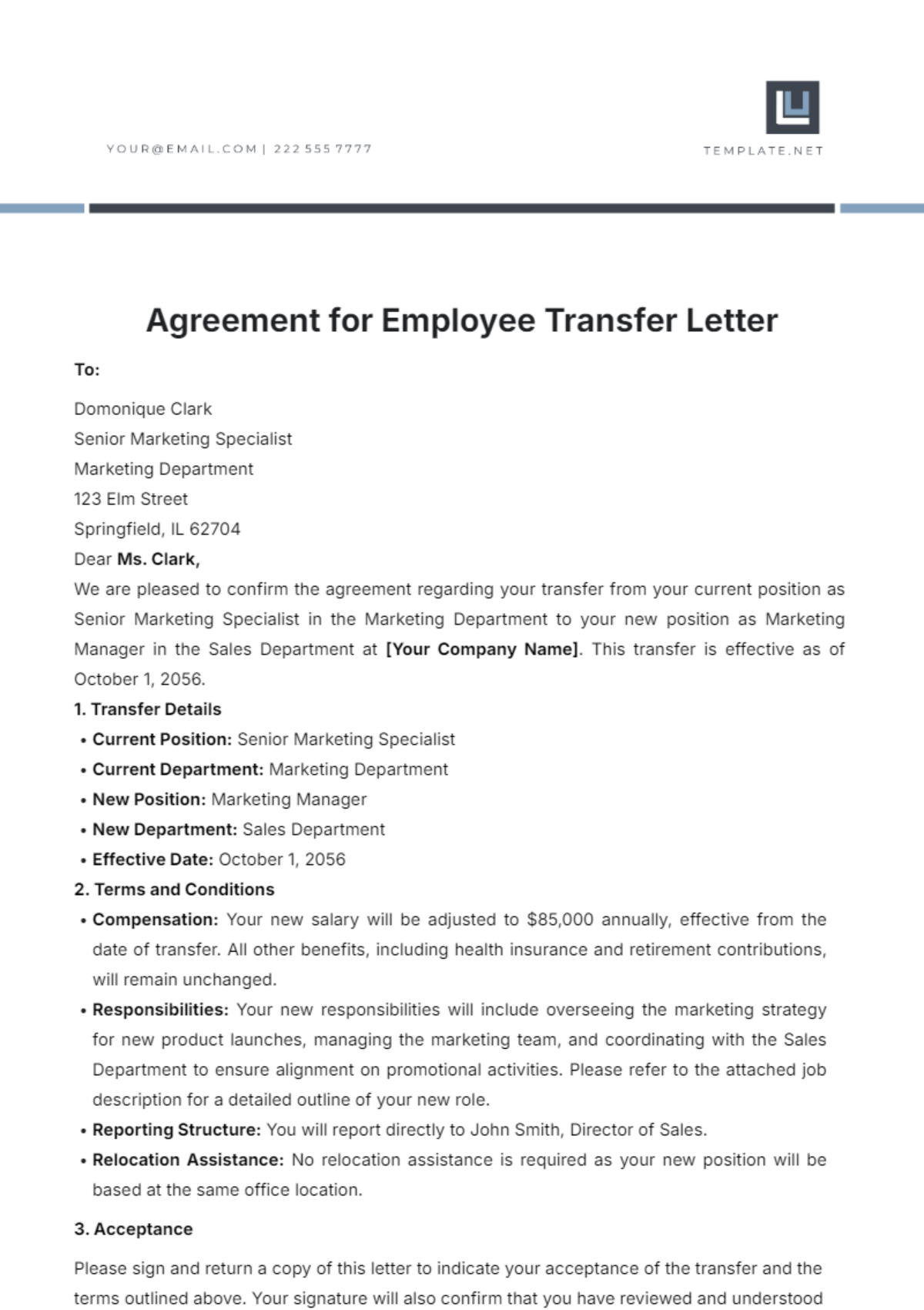
Most people think of a contract transfer as a dry and purely administrative task. However, it is actually a pivotal moment in an employee journey with a company. Whether they are moving to a subsidiary or a completely new parent company, having a clear roadmap of what happens next is vital for their morale and productivity during the transition phase. Clear communication combined with the right documentation ensures that the business continues to run effectively without unnecessary interruptions.
Navigating the Legal and Operational Landscape of Employee Transfers
Moving an employee from one contract to another involves more than just a handshake and a verbal agreement. In many jurisdictions, there are specific regulations that govern how these transfers happen. For instance, in some regions, specific labor codes dictate that the new employer must step into the shoes of the old employer completely. Regardless of where your business operates, the goal is usually the same: to protect the rights of the worker while allowing the business the flexibility it needs to evolve.
One of the biggest hurdles is ensuring that the terms of employment remain substantially similar. If an employee moves to a new company entity and suddenly loses their health insurance or sees a drop in their vacation days, you could be looking at a legal dispute or a resignation. A good transfer document explicitly states that the terms of the original contract will be honored by the new employer, which keeps everyone on the same page and prevents misunderstandings.
Consent is another major factor to consider. While some contracts allow for transfers within a group of companies, others require the explicit written consent of the employee. Taking the time to explain why the transfer is happening and what it means for their day to day life is a crucial step that often gets overlooked in the rush of a corporate merger. It is always better to over communicate during these periods of change than to leave employees guessing about their future.
The Strategic Value of Using a Standardized Approach
When you use a transfer of employment contract template, you are essentially creating a safety net for your department. It ensures that every transfer follows the same protocol, which reduces the risk of accidental discrimination or inconsistent treatment of staff. Standardization might sound impersonal, but in the world of law and compliance, it is your best friend. It provides a reliable framework that can be used across different departments and even different countries if your business is international.
A template also saves an incredible amount of time. Instead of drafting a new letter from scratch every time a department restructures, your team can simply pull up the established document, fill in the specific details like names and dates, and send it off for review. This efficiency allows management to focus on the human side of the transition, such as answering questions and helping employees settle into their new roles. It also ensures that the language used is professional and has been pre approved by legal experts.
Beyond the time savings, these templates act as a checklist. They remind you to include information about pension contributions, outstanding leave balances, and any changes in reporting lines. By covering these bases early on, you prevent future headaches that arise when an employee realizes months later that their years of service were not correctly recorded in the new system. It serves as a comprehensive record that protects the interests of both the business and the individual staff member.
Essential Components of a Solid Transfer Document
To ensure the document is effective, it needs to be comprehensive. You should start by clearly identifying the parties involved which include the current employer, the new employer, and the employee. This might seem obvious, but precision here is critical for legal clarity, especially if the entities have similar names within a larger corporate group. You want to make sure the legal names are spelled out exactly as they appear on official government registrations.
The effective date of the transfer is perhaps the most important detail. This is the date when the new employer takes over all responsibilities, including payroll and insurance. It serves as a clear line in the sand for accounting and administrative purposes. You should also include a section that confirms the continuity of employment, ensuring that the employee original start date remains valid for things like long service awards or statutory rights that are based on tenure.
Here are some of the key elements that should be clearly outlined in your documentation:
- The names of the old and new employing entities
- The date the transfer officially takes effect
- Confirmation that salary and benefits will remain unchanged
- Details regarding any changes in work location or reporting structure
- A section for the employee to sign and acknowledge the transfer
- Information on who to contact if there are questions about the transition
Once the document is ready, it is best practice to have a face to face meeting or a video call to walk the employee through the details. This provides an opportunity for them to ask questions and feel heard. After the meeting, both the new employer and the employee should sign the document to make it official and keep a copy for their respective records. This final step seals the agreement and provides peace of mind for everyone involved in the process.
Managing the movement of staff between entities is a significant responsibility that requires a balance of legal knowledge and empathy. By using the right tools and maintaining clear communication, you can turn what might be a stressful period of change into a smooth transition that sets the stage for future growth. A successful transfer is one where the employee feels secure and the business remains compliant with all local labor laws and internal policies.
Remember that while a template provides a strong foundation, every situation is unique. It is always a good idea to have your final version reviewed by a legal professional to ensure it meets the specific needs of your industry and region. With the right approach, you can handle any organizational change with confidence and professionalism, keeping your team focused and motivated during the journey ahead. Taking these extra steps today will save you time and resources while building a stronger corporate culture for the future.