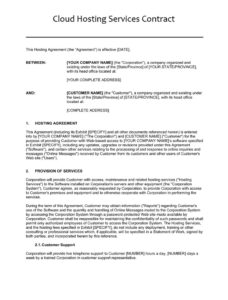
In today’s fast-paced digital landscape, a reliable and secure network isn’t just a convenience; it’s the backbone of every successful business operation. As organizations grow, managing intricate IT infrastructure internally can become a significant challenge, often straining resources and diverting focus from core competencies. This is where managed network services come into play, offering specialized expertise and proactive support to keep your systems running smoothly.
Engaging a third-party provider for these critical services necessitates a clear, comprehensive agreement. A well-drafted managed network services contract template is an essential tool, laying out the expectations, responsibilities, and legal framework for both parties. Without a solid contract, businesses risk misunderstandings, scope creep, and potential disputes that can jeopardize their network stability and financial well-being.
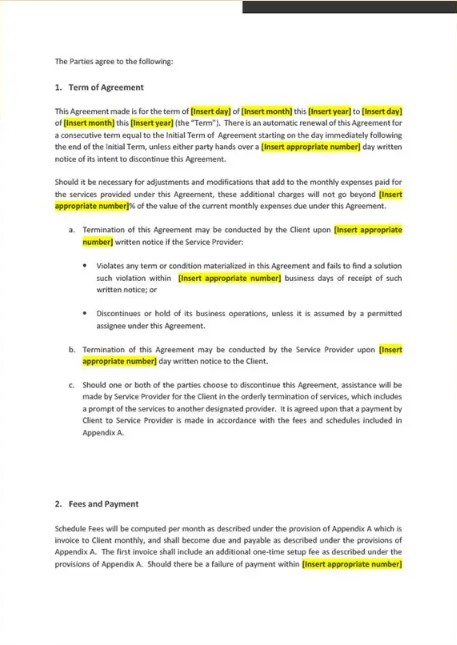
This article will guide you through the intricacies of building an effective managed network services agreement. We’ll explore the vital components, legal considerations, and best practices to ensure your network infrastructure is protected and your partnership with a service provider is a success. Understanding these elements is key to safeguarding your operations and maximizing the value of your IT investment.
Understanding the Core of Managed Network Services Agreements
Managed network services agreements are formal documents outlining the terms and conditions under which a third-party provider will manage and maintain a client’s network infrastructure. These services can encompass a wide range of activities, from routine monitoring and maintenance to advanced cybersecurity protection and disaster recovery planning. The goal is to offload the burden of network management from internal teams, allowing businesses to focus on strategic initiatives.
The essence of such an agreement lies in defining clear boundaries and expectations. It clarifies what services will be provided, how they will be delivered, and what performance metrics will be used to measure success. For many businesses, outsourcing network management means gaining access to specialized skills and technologies that might be too expensive or complex to maintain in-house.
Defining Managed Network Services
Managed network services typically involve a proactive approach to IT management, differing significantly from traditional break-fix models. Instead of reacting to problems after they occur, managed service providers (MSPs) aim to prevent issues through continuous monitoring, regular updates, and predictive maintenance. This proactive stance helps minimize downtime and ensures network reliability.
Common services often include network monitoring, patch management, security services, data backup and recovery, help desk support, and infrastructure optimization. The exact scope of services will vary greatly depending on the client’s needs and the provider’s offerings. It’s crucial for the managed network services contract template to detail these services explicitly to avoid any ambiguity.
Benefits of a Solid Contract for Network Outsourcing
A robust managed network services contract template offers numerous benefits for both the client and the service provider. For the client, it provides legal protection and ensures that agreed-upon services are delivered to specified standards. It also helps in budgeting by clearly defining costs and payment terms.
For the service provider, the contract protects their interests by outlining the scope of work, limiting liability, and establishing clear payment schedules. It fosters a professional relationship built on mutual understanding and accountability, which is vital for long-term success. A well-written contract mitigates risks and builds a foundation of trust.
Key Components of a Robust Managed Network Services Contract Template
Creating an effective managed network services agreement requires careful consideration of several critical components. Each section plays a vital role in defining the relationship and ensuring both parties understand their rights and obligations. Overlooking any of these elements can lead to significant problems down the line.
A comprehensive managed network services contract template should be structured to cover every foreseeable aspect of the service delivery. This includes the specifics of the services, the financial arrangements, and the mechanisms for dispute resolution. Clarity and detail in these sections are paramount.
Scope of Services and Service Level Agreements (SLAs)
The “Scope of Services” section is arguably the most important part of the entire contract. It meticulously lists every service the MSP will provide, from hardware maintenance to software updates and cybersecurity protocols. This section should leave no room for interpretation about what is included and what falls outside the agreement.
Equally critical are the Service Level Agreements (SLAs). These are specific, measurable metrics that define the expected performance and quality of the services. SLAs often cover uptime guarantees, response times for support requests, resolution times for various issues, and data backup frequencies. Clear, achievable SLAs protect the client and provide a benchmark for the provider’s performance.
Payment Terms, Term & Termination, and Confidentiality
The “Payment Terms” section details the financial aspects of the agreement, including pricing models (e.g., fixed fee, per-device, per-user), billing cycles, late payment penalties, and any provisions for price increases. Transparency here is essential to avoid financial misunderstandings. This section should also outline any additional costs for out-of-scope requests.
“Term and Termination” specifies the duration of the contract, renewal options, and conditions under which either party can terminate the agreement. This might include breaches of contract, non-payment, or mutual agreement. A clear termination clause protects both parties if the relationship needs to end. Confidentiality clauses are also vital, ensuring that any sensitive business or client data accessed by the MSP remains private and secure. This protects intellectual property and client privacy.
Data Security, Compliance, and Indemnification
In an era of escalating cyber threats, the “Data Security” section is non-negotiable. It outlines the security measures the MSP will implement to protect the client’s network and data, including firewalls, encryption, intrusion detection, and incident response plans. This section should also address data breach notification protocols and responsibilities.
“Compliance” addresses adherence to relevant industry regulations and legal requirements, such as GDPR, HIPAA, or SOC 2, depending on the client’s industry. The contract should specify which party is responsible for maintaining compliance in various areas. “Indemnification” clauses protect both parties from liability arising from specific events, such as data breaches or service outages caused by negligence, allocating risk appropriately between the client and the service provider.
Legal Considerations and Best Practices for Network Service Contracts
Navigating the legal landscape of a managed network services contract template can be complex, but adhering to best practices can significantly reduce risks. It’s not just about what’s included, but also how it’s phrased and what legal implications each clause carries. Understanding these considerations ensures the agreement is enforceable and protects your interests.
Engaging legal counsel to review any managed network services agreement before signing is always a wise decision. While templates provide a strong foundation, customization for specific business needs and local regulations is often necessary. A proactive approach to legal review can prevent costly disputes and operational disruptions.
Ensuring Legal Enforceability and Clarity
For a contract to be legally enforceable, it must clearly articulate the offer, acceptance, consideration (what each party gives up), and mutual intent to create legal relations. Ambiguous language can lead to disputes and make enforcement difficult. Therefore, every clause in the managed network services contract template should be precise and unambiguous.
Using plain language, rather than overly technical jargon, helps ensure both parties fully understand their obligations. Avoid vague terms like “reasonable efforts” without further definition; instead, specify measurable standards. This clarity is crucial for successful long-term partnerships and dispute resolution.
Addressing Intellectual Property and Dispute Resolution
The contract should explicitly address intellectual property (IP) rights related to any custom software, configurations, or solutions developed by the MSP for the client. Clarifying ownership and usage rights upfront prevents future conflicts, especially upon contract termination. This is particularly important if the MSP develops proprietary tools or processes tailored for the client’s network.
A well-defined “Dispute Resolution” clause is essential. It outlines the process for resolving disagreements, which might include negotiation, mediation, or arbitration before resorting to litigation. This approach can save significant time and legal costs, fostering a more amicable resolution between the parties. Specifying the governing law and jurisdiction is also vital for international agreements.
Evaluating and Selecting a Managed Network Services Provider
Choosing the right managed network services provider is a critical decision that directly impacts your business’s operational efficiency and security. A solid managed network services contract template can only be as effective as the partner you select. Thorough due diligence is required to ensure the provider aligns with your business needs and values.
Beyond the technical capabilities, consider the provider’s communication style, customer service reputation, and financial stability. A long-term partnership requires more than just technical expertise; it demands reliability and trust. Taking the time to properly evaluate potential providers can save significant headaches later.
Key Factors in Provider Selection
When evaluating potential MSPs, consider their experience, industry reputation, and client testimonials. Look for providers with a proven track record of managing networks similar to yours in size and complexity. Their certifications and partnerships with leading technology vendors can also indicate their expertise and commitment to best practices.
Assess their approach to cybersecurity and disaster recovery. Inquire about their data center locations, redundancy measures, and compliance with relevant industry standards. A strong security posture is paramount to protecting your sensitive data and maintaining operational continuity. Transparency in these areas is a strong indicator of a trustworthy provider.
Due Diligence and Reference Checks
Never skip the due diligence phase. Request detailed proposals that explicitly address your specific requirements and demonstrate how they intend to meet your SLAs. Scrutinize their pricing models for hidden fees or unclear charges. Understanding the total cost of ownership is essential for budgeting and financial planning.
Crucially, contact client references. Speak with current and past clients to gain insights into the provider’s reliability, responsiveness, and problem-solving abilities. Ask about their experience with contract adherence and any challenges they faced, and how those were resolved. This firsthand feedback is invaluable in making an informed decision about your managed services partner.
Managed Network Services Contract Comparison
Understanding the nuances between different types of managed network services contracts can help businesses tailor an agreement that perfectly fits their operational model and risk appetite. While a comprehensive template provides a baseline, specific contractual elements often differ based on the service model chosen. This comparison highlights key distinctions in service and payment structures.
| Feature | Fixed-Fee Managed Services Contract | Per-Device/Per-User Managed Services Contract | Tiered Managed Services Contract |
|---|---|---|---|
| Pricing Model | Single, predictable monthly fee for defined services. | Price based on the number of devices (servers, workstations) or users. | Different service packages (e.g., Bronze, Silver, Gold) with varying inclusions. |
| Scope Predictability | High; services are clearly outlined and usually comprehensive. | Moderate; scales with infrastructure growth or user count. | Varies by tier; clear limits on services in lower tiers. |
| Scalability | Less flexible for rapid changes; may require contract renegotiation for significant scope changes. | Highly scalable; costs automatically adjust with additions or removals of devices/users. | Scalable by upgrading or downgrading tiers; offers flexibility. |
| Budget Certainty | Very high; consistent monthly cost simplifies budgeting. | Moderate; budget can fluctuate with changes in IT environment size. | Moderate to high; costs are fixed within each chosen tier. |
| Best For | Businesses with stable IT infrastructure and predictable needs, seeking comprehensive coverage. | Growing businesses or those with fluctuating IT demands, prioritizing granular control over costs. | Businesses needing flexibility to choose service levels based on different departmental or budget needs. |
| Complexity of Management | Simpler invoicing and tracking for client. | Requires accurate asset tracking to ensure correct billing. | Clear understanding of tier inclusions is necessary. |
Expert Tips for Optimizing Your Managed Network Services Agreement
Crafting and managing a managed network services contract template effectively goes beyond just filling in the blanks. These expert tips will help you optimize your agreement, foster a strong partnership, and protect your business long-term. Proactive management of the contract is just as important as its initial drafting.
- Clearly Define Roles and Responsibilities: Explicitly state who is responsible for what, both within your organization and at the MSP. Ambiguity here is a primary cause of friction and unmet expectations.
- Establish a Communication Plan: Detail how and when communications will occur. This includes regular review meetings, incident reporting procedures, and escalation paths for critical issues.
- Include a Change Management Process: Networks evolve, and so should your services. Outline a formal process for requesting, approving, and implementing changes to the scope of services or the network infrastructure itself.
- Conduct Regular Performance Reviews: Schedule periodic reviews (e.g., quarterly or semi-annually) to discuss SLA performance, address any ongoing issues, and plan for future needs. Use these meetings to strengthen the partnership.
- Plan for Exit Strategy: While you hope for a long and successful partnership, prepare for its end from the beginning. Include clauses that outline data handover procedures, equipment return, and knowledge transfer upon termination or expiration.
- Align with Business Goals: Ensure that the managed network services directly support your strategic business objectives. The contract should reflect how the IT services contribute to your overall success.
By implementing these tips, you can transform your managed network services contract template into a dynamic tool that supports a successful and productive relationship with your service provider. This proactive approach ensures your network infrastructure remains a reliable asset, driving your business forward.
Conclusion
Securing a robust and reliable network is paramount for any modern business, and a well-crafted managed network services contract template is the cornerstone of achieving this through external expertise. By diligently outlining service scopes, defining clear performance metrics, and addressing legal intricacies, businesses can forge strong, protective partnerships with their managed service providers. This proactive approach minimizes risks, ensures operational continuity, and allows your internal teams to focus on core strategic initiatives rather than day-to-day IT management complexities.
Remember, a contract is a living document that should evolve with your business needs and technological advancements. Regularly review and update your managed network services agreement to ensure it remains relevant and effective, safeguarding your digital infrastructure for years to come. Investing time upfront in a comprehensive and clear agreement will undoubtedly pay dividends in long-term network stability and business success.