Embarking on a commercial real estate transaction can feel like navigating a complex maze. The cornerstone of any successful deal is a robust and legally sound agreement. A well-drafted commercial real estate sales contract template serves as your essential roadmap, defining the terms, conditions, and expectations for both buyers and sellers.
Without a clear and comprehensive contract, parties are exposed to significant risks, potential disputes, and financial losses. This article will guide you through the critical elements of a commercial real estate sales agreement. You’ll learn how to customize a commercial property contract effectively and protect your interests throughout the sales process.
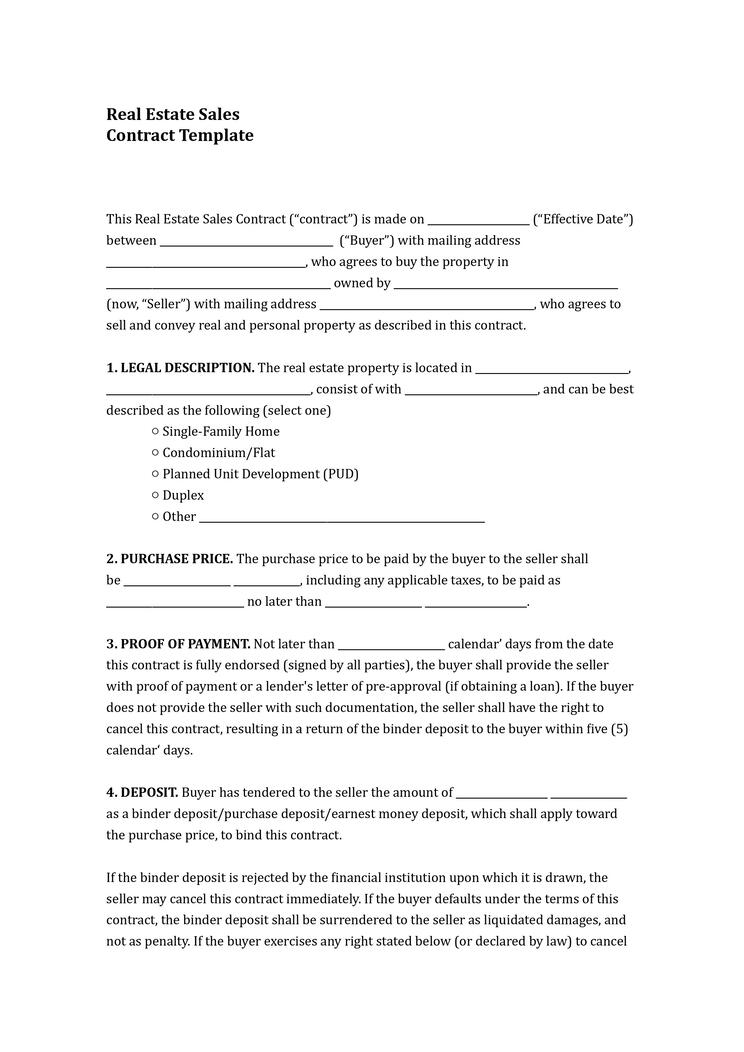
Understanding the nuances of these vital documents is paramount for a smooth closing. We’ll delve into the key clauses, explore the importance of due diligence, and provide expert tips to ensure your commercial property transaction is secure and successful.
Understanding the Core Components of a CRE Sales Agreement
Every effective commercial real estate sales contract template is built upon a foundation of essential components. These elements ensure clarity, define responsibilities, and protect all parties involved. A clear understanding of each part is crucial before signing any commercial property agreement.
These core components typically include details about the parties, the property, purchase price, and various contingencies. Grasping their significance helps in tailoring a contract that accurately reflects the deal’s specifics. This also mitigates future misunderstandings and legal challenges.
Identifying Parties and Property Details
The contract must clearly identify the buyer and seller, including their full legal names and addresses. If a party is a corporation or LLC, the legal entity name must be precise. This prevents ambiguity regarding who is legally bound by the agreement.
Equally important is a detailed description of the commercial property being sold. This includes the legal description, street address, and parcel numbers. Any personal property included in the sale, such as fixtures or equipment, should also be explicitly itemized within the commercial real estate sales contract template.
Purchase Price and Payment Terms
The purchase price is, naturally, a central element of any sales agreement. This section specifies the total amount the buyer will pay for the commercial property. It also outlines the payment structure, including the initial earnest money deposit, financing details, and the final payment due at closing.
Earnest money demonstrates the buyer’s serious intent and is typically held in escrow. The contract should define conditions under which earnest money can be forfeited or returned. Clear payment terms prevent disputes and ensure a smooth financial transaction.
Navigating Key Clauses in Your Commercial Property Contract
Beyond the basic identification and financial terms, a commercial real estate sales contract contains several critical clauses that dictate the specifics of the transaction. These clauses address potential hurdles, allocate risks, and set timelines for various actions. Paying close attention to these details is vital for protecting your interests.
Each clause serves a specific purpose, from safeguarding the buyer’s investment to ensuring the seller meets their obligations. Understanding their implications can empower you to negotiate more effectively. It also helps in anticipating potential issues before they arise.
Contingencies and Due Diligence Periods
Contingencies are conditions that must be met for the contract to become binding. Common commercial property contingencies include financing approval, satisfactory property inspections, and environmental assessments. These clauses provide an “out” for the buyer if certain conditions aren’t satisfied.
The due diligence period allows the buyer to thoroughly investigate the property. During this time, the buyer can review leases, financial statements, zoning regulations, and physical conditions. A well-defined due diligence clause, including specific timelines, is paramount for both parties.
Representations, Warranties, and Covenants
Representations are statements of fact made by the seller about the property, such as its condition or income. Warranties are promises that certain facts are true or will be true. These assurances help the buyer make an informed decision and provide recourse if misrepresentations are discovered.
Covenants are promises within the contract to perform or refrain from certain actions. For example, a seller might covenant to maintain the property until closing. Carefully reviewing these sections in your commercial real estate sales contract template can prevent future legal battles.
The Importance of Due Diligence in Commercial Real Estate Transactions
Due diligence is more than just a clause; it’s a comprehensive process that underpins the entire commercial property acquisition. It allows the buyer to verify all aspects of the property and transaction. This critical phase minimizes risks and confirms the property meets investment objectives.
Neglecting a thorough due diligence process can lead to costly surprises post-closing. It involves a systematic examination of legal, financial, and physical aspects of the asset. This proactive investigation ensures transparency and informed decision-making for all parties involved.
Conducting Environmental and Physical Inspections
Environmental assessments, often Phase I and Phase II studies, identify potential contamination issues. These can have significant financial and legal consequences for the new owner. Understanding environmental risks is crucial for long-term property value and liability mitigation.
Physical inspections by qualified professionals assess the structural integrity, systems (HVAC, plumbing, electrical), and overall condition of the buildings. Identifying necessary repairs or major capital expenditures during this phase is vital. This allows for renegotiation or contract termination if issues are too severe.
Reviewing Leases and Financial Documents
For income-producing commercial properties, reviewing existing leases is non-negotiable. This includes understanding rent rolls, tenant creditworthiness, lease terms, and any tenant improvement obligations. These documents directly impact the property’s cash flow and valuation.
Financial due diligence extends to reviewing operating expenses, utility costs, tax statements, and any service contracts. A thorough review helps verify the seller’s financial representations and allows the buyer to project future profitability. This level of scrutiny ensures the investment aligns with expectations.
Customizing Your Commercial Real Estate Sales Contract Template for Success
While a general commercial real estate sales contract template provides a solid foundation, successful deals often hinge on careful customization. Every commercial property transaction is unique, with its own set of complexities, risks, and specific requirements. Tailoring the contract to these specifics is paramount.
A boilerplate agreement rarely covers all the nuances of a particular deal. Customization ensures that all unique aspects of the property, the parties, and the financing are accurately reflected. This proactive approach helps to prevent misunderstandings and disputes down the line.
Addressing Specific Property Types
The type of commercial property—be it retail, office, industrial, or multi-family—will influence specific clauses. A retail property might require clauses regarding co-tenancy or exclusive use. An industrial property could necessitate environmental indemnities or access easements.
Understanding these distinctions allows for the inclusion of specialized language that protects both parties. Your commercial property contract should reflect the specific operational realities and potential liabilities associated with the asset type. This detailed approach strengthens the agreement considerably.
Negotiating Key Terms and Conditions
The negotiation phase is where the general template transforms into a binding, customized agreement. Buyers and sellers will haggle over price, closing dates, contingency periods, and responsibility for repairs. Every negotiated point should be meticulously documented in the contract.
Effective negotiation requires clear communication and a willingness to compromise. However, always ensure your core interests are protected within the final commercial sales agreement. Expert legal counsel can be invaluable during this critical stage to ensure all terms are fair and enforceable.
Key Aspects of Commercial Real Estate Contracts
A comprehensive understanding of various contractual elements is essential for anyone dealing with commercial property. This table provides a comparative overview of key aspects found in a typical commercial real estate sales contract template.
| Aspect | Description | Importance | Potential Pitfalls |
|---|---|---|---|
| Earnest Money Deposit | Initial payment made by buyer to show good faith, held in escrow. | Demonstrates commitment; can be forfeited or returned based on contract terms. | Unclear terms for forfeiture/return; insufficient amount to deter frivolous offers. |
| Contingency Period | Timeframe for buyer to satisfy conditions (e.g., financing, inspection). | Allows buyer to exit agreement if conditions aren’t met without penalty. | Too short a period leading to rushed decisions; unclear conditions. |
| Closing Date | The specific date when the sale is finalized and ownership transfers. | Establishes a firm timeline; impacts financial planning for both parties. | Lack of flexibility for unforeseen delays; penalties for missed deadlines. |
| Representations & Warranties | Statements by seller about property facts; promises that facts are true. | Protects buyer from undisclosed defects or issues; provides recourse. | Vague language; seller failing to disclose material facts; limited scope. |
| Assignment Clause | Determines if buyer can transfer their rights in the contract to another party. | Offers flexibility for buyers; can impact seller’s deal certainty. | Unrestricted assignment without seller consent; unclear liabilities post-assignment. |
Expert Tips for a Seamless Commercial Real Estate Transaction
Navigating commercial real estate sales can be complex, but with the right approach, you can ensure a smoother process. These expert tips provide practical advice for leveraging your commercial real estate sales contract template and achieving a successful outcome.
- Seek Legal Review Early: Always have a qualified commercial real estate attorney review and, if necessary, draft or modify your contract. This ensures legal compliance and protects your specific interests.
- Be Explicit About Inclusions/Exclusions: Clearly list all personal property, fixtures, and other items that are included or excluded from the sale. Ambiguity here is a common source of disputes.
- Define Timelines Precisely: Every deadline, from due diligence to closing, should be clearly stated with specific dates and times. “Reasonable time” is too vague and invites conflict.
- Understand Escrow Procedures: Familiarize yourself with how earnest money and other funds will be handled in escrow. Know the conditions for release or forfeiture of deposits.
- Document Everything in Writing: All amendments, addendums, and agreements made during negotiations must be in writing and signed by all parties. Verbal agreements are rarely enforceable in real estate.
- Conduct Thorough Due Diligence: Never skimp on inspections, environmental reports, and financial reviews. A proactive approach here can save significant costs and headaches later.
Conclusion
A meticulously prepared commercial real estate sales contract template is the bedrock of any successful commercial property transaction. It serves not just as a legal formality but as a comprehensive guide that outlines expectations, assigns responsibilities, and mitigates potential risks for both buyers and sellers. By understanding its core components, meticulously reviewing key clauses, and conducting thorough due diligence, you can confidently navigate the complexities of commercial real estate.
Remember, while templates provide a strong starting point, customization and expert legal review are indispensable steps to ensure your contract precisely reflects the unique aspects of your deal. Proactive preparation and attention to detail will protect your investment and lead to a more efficient and satisfying closing experience. Equip yourself with the right knowledge and tools, and approach your next commercial real estate venture with confidence.