In the complex world of agreements, offers, and counter-offers, a simple “yes” isn’t always enough. Sometimes, you need to accept an offer, but with specific stipulations that must be met. This is where a notice of conditional acceptance becomes an indispensable tool, allowing you to move forward while safeguarding your interests.
Whether you’re dealing with a real estate transaction, a job offer, or a business contract, understanding how to formally accept an offer with conditions is crucial. A well-crafted notice of conditional acceptance template ensures clarity, prevents misunderstandings, and provides a clear path for both parties to follow.
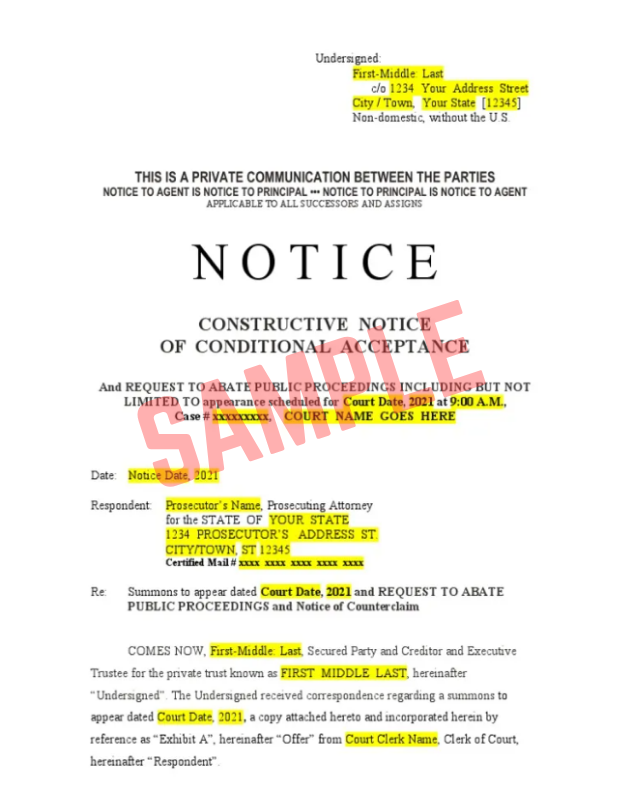
This comprehensive guide will explore the intricacies of conditional acceptance, detailing when and why you might need one, what essential components it should contain, and how to effectively use a notice of conditional acceptance template to protect your position. By the end, you’ll have the knowledge and tools to draft your own confident and legally sound conditional acceptance notices.
Understanding The Core Principles Of Conditional Acceptance
Navigating the nuances of formal agreements requires precision and clear communication. Conditional acceptance is a powerful concept that allows parties to agree in principle while ensuring certain prerequisites are fulfilled before the agreement becomes fully binding.
It acts as a bridge between a simple acceptance and a full counter-offer, providing flexibility in negotiations. Understanding its fundamental principles is key to leveraging it effectively in various professional and personal contexts.
What Is A Conditional Acceptance?
A conditional acceptance means you agree to the terms of an offer, but only if specific conditions are met. Unlike a pure acceptance, which immediately forms a binding contract, a conditional acceptance makes the agreement contingent upon the fulfillment of these stated terms.
It is distinct from a counter-offer, which rejects the original offer and proposes new terms. Instead, conditional acceptance acknowledges the original offer’s core, adding protective layers or necessary prerequisites. This approach can be particularly useful when you’re mostly in agreement but need certain details clarified or actions completed.
When Is A Conditional Acceptance Notice Necessary?
The need for a provisional acceptance notice arises in many situations where an offer requires further action or verification. It provides a formal way to state your “yes, but” response, ensuring all parties are aware of the outstanding requirements.
Consider these common scenarios:
-
Real Estate Transactions: A buyer might conditionally accept a home offer subject to a satisfactory home inspection, appraisal, or securing mortgage approval. Approximately 80% of real estate contracts include some form of conditional acceptance to protect buyers.
-
Job Offers: An applicant might accept a job offer contingent on a successful background check, drug screening, or verification of references. This protects both the employer and the prospective employee.
-
Business Contracts: Companies might conditionally accept a vendor’s proposal pending a legal review of the terms, receipt of specific licenses, or completion of a pilot project. It ensures due diligence is performed.
-
Academic Admissions: Universities often offer conditional admission to students, pending their final high school grades or successful completion of prerequisite courses. This allows for early offers while maintaining academic standards.
Key Elements Of An Effective Conditional Acceptance Letter
A strong conditional acceptance letter is clear, comprehensive, and leaves no room for ambiguity. It must clearly outline the conditions that transform the provisional acceptance into a definitive agreement. A well-structured notice of conditional acceptance template will incorporate these critical components:
-
Clear Reference to Original Offer: Explicitly state the offer being conditionally accepted, including its date and any relevant identification numbers. This establishes context for the recipient.
-
Statement of Conditional Acceptance: Unequivocally declare that the offer is accepted, but only under specified conditions. Use clear language to avoid misinterpretation of your intent.
-
Explicit Conditions: List each condition precisely and unambiguously. Specify what needs to be done, by whom, and by when. Ambiguous conditions can lead to disputes.
-
Deadline for Fulfillment: Assign a clear timeframe for the conditions to be met. This creates urgency and provides a framework for the agreement to progress or be terminated.
-
Consequences of Non-Fulfillment: Briefly state what will happen if the conditions are not met within the specified timeframe. Will the offer be revoked, or will further negotiation be required?
-
Request for Acknowledgment: Ask the recipient to acknowledge their understanding and acceptance of the conditional terms. This solidifies the agreement’s framework.
-
Signature and Contact Information: Include your signature, printed name, title, and contact details for further communication. This makes the document official and traceable.
Crafting Your Own Notice Of Conditional Acceptance Template Effectively
Developing a robust conditional acceptance form goes beyond merely listing conditions. It requires strategic thinking, clear language, and an understanding of potential legal implications. A well-prepared document can save considerable time and avoid future disputes.
Utilizing a notice of conditional acceptance template as a starting point is highly recommended. It ensures you cover all the essential bases and maintain a professional tone throughout the communication process.
Tips For Writing Clear And Concise Conditions
The effectiveness of your conditional acceptance hinges on the clarity of your conditions. Vague or open-ended stipulations can lead to confusion, disagreement, or even render the conditional acceptance unenforceable. Aim for precision and objectivity in your language.
-
Be Specific: Instead of “good condition,” state “roof inspection report showing no active leaks and estimated remaining life of at least 10 years.” Quantifiable measures are always better.
-
Make Them Measurable: Conditions should have objective criteria that can be easily verified. For instance, “receipt of funds totaling $X by [Date]” is measurable, whereas “sufficient funds” is not.
-
Set Clear Deadlines: Every condition should have an associated deadline for its fulfillment. This creates accountability and a timeline for the overall agreement to progress. Often, around 7-14 days is a reasonable timeframe for straightforward conditions.
-
Avoid Ambiguity: Use simple, direct language. Avoid jargon where possible, or define it clearly if necessary. Imagine a third party reading your conditions – would they understand them easily?
Common Pitfalls To Avoid When Using Conditional Acceptance Forms
Even with a solid notice of conditional acceptance template, certain mistakes can undermine its purpose. Being aware of these common pitfalls can help you refine your process and protect your interests more effectively.
-
Vague Language: As mentioned, lack of specificity is a primary culprit. General terms invite differing interpretations and can lead to drawn-out disputes.
-
Unreasonable Conditions: Imposing conditions that are impossible or overly difficult for the other party to meet can be perceived as negotiating in bad faith, potentially derailing the entire agreement. Strive for fair and practical conditions.
-
Lack of Deadlines: Without a clear timeframe, conditions can drag on indefinitely, leaving the agreement in limbo. Ensure every condition has a specific fulfillment date.
-
Failure to Communicate Clearly: Simply sending the document isn’t enough. Ensure the recipient understands the implications of the conditional acceptance and what is expected of them. Follow up if necessary.
-
Not Documenting Everything: All communications related to the conditions and their fulfillment should be in writing. This creates a clear paper trail should any disputes arise later.
Legal Implications And Best Practices
While a notice of conditional acceptance template is a practical tool, it’s crucial to understand its legal weight. A conditional acceptance can become a binding contract once all specified conditions are met. This means both parties have legal obligations.
For complex transactions, especially those involving significant assets or financial implications, consulting with legal counsel is highly advisable. An attorney can review your conditional acceptance form, ensure it complies with local laws, and effectively protects your interests.
Always maintain copies of all correspondence, including the original offer, your conditional acceptance, and any responses. This documentation is vital evidence if a dispute arises. Remember, the goal is to create a clear, enforceable agreement that safeguards all parties.
Sample Notice Of Conditional Acceptance Template
Below is a general notice of conditional acceptance template that can be adapted for various scenarios. Remember to customize the placeholders with your specific details and conditions.
    [Your Name]
    [Your Address]
    [Your City, State, Zip Code]
    [Your Phone Number]
    [Your Email Address]

    [Date]

    [Recipient Name]
    [Recipient Title]
    [Recipient Company/Organization Name]
    [Recipient Address]
    [Recipient City, State, Zip Code]

    Subject: Notice of Conditional Acceptance – Offer Dated [Original Offer Date]

    Dear [Recipient Name],

    This letter serves as a formal notice of conditional acceptance regarding the offer you extended on [Original Offer Date] for [briefly describe the offer, e.g., the property located at 123 Main St, or the position of Senior Analyst]. I appreciate your offer and the opportunity presented.

    I am pleased to conditionally accept your offer, subject to the fulfillment of the following specific conditions:

    1.  [Condition 1]: [Clearly and precisely state the first condition, e.g., "A satisfactory independent professional inspection report of the property, showing no major structural defects or repairs exceeding $5,000."]
    2.  [Condition 2]: [Clearly and precisely state the second condition, e.g., "Verification of my academic credentials and professional references as provided in my application."]
    3.  [Condition 3]: [Clearly and precisely state the third condition, e.g., "Receipt of a signed Memorandum of Understanding detailing the specific project deliverables and timelines by October 20, 2024."]
    4.  [Add any additional conditions as necessary, clearly numbered.]

    These conditions must be fully satisfied by [Deadline Date for Conditions, e.g., within 10 business days from the date of this letter, or October 25, 2024]. Should these conditions not be met to my reasonable satisfaction by the specified deadline, this conditional acceptance will be deemed null and void, and the original offer will be considered rejected.

    Upon the successful fulfillment of all listed conditions, this conditional acceptance shall become a full and binding agreement under the terms of your original offer. Please acknowledge your understanding and agreement to these conditions by signing and returning a copy of this letter by [Acknowledgement Return Date, e.g., within 3 business days].

    I look forward to proceeding once these conditions are successfully addressed. Please do not hesitate to contact me if you have any questions or require further clarification.

    Sincerely,

    [Your Signature]

    [Your Printed Name]
    [Your Title, if applicable]

    ---
    Acknowledgment of Conditions:

    I, [Recipient Name], acknowledge receipt of this Notice of Conditional Acceptance and agree to the conditions stated herein.

    ____________________________________
    [Recipient Signature]

    ____________________________________
    [Recipient Printed Name]

    ____________________________________
    [Date]
Utilizing a comprehensive notice of conditional acceptance template ensures clarity and protects your interests. It enables you to formalize agreements while ensuring all necessary prerequisites are met. By clearly outlining conditions, setting deadlines, and documenting everything, you create a robust framework for successful outcomes.
Always review and customize any template to perfectly fit your unique situation, and remember that for particularly complex or high-stakes scenarios, seeking legal advice is a wise decision. This proactive approach will empower you to navigate agreements with confidence and precision, turning potential complexities into clear, actionable steps.