The loss of a loved one is an incredibly difficult experience, bringing with it a wave of emotions and grief. Amidst this personal tragedy, those entrusted with settling the deceased’s estate often face a daunting array of administrative and legal tasks. One critical step, often overlooked but essential for proper estate administration, involves formally notifying creditors.
Navigating the financial aftermath can feel overwhelming, especially when you’re unsure of the correct procedures. Proper communication with creditors protects the estate from future claims and ensures a smooth probate process. This article will guide you through the necessity of such communication and provide a comprehensive understanding of a “notice of death to creditors template.”
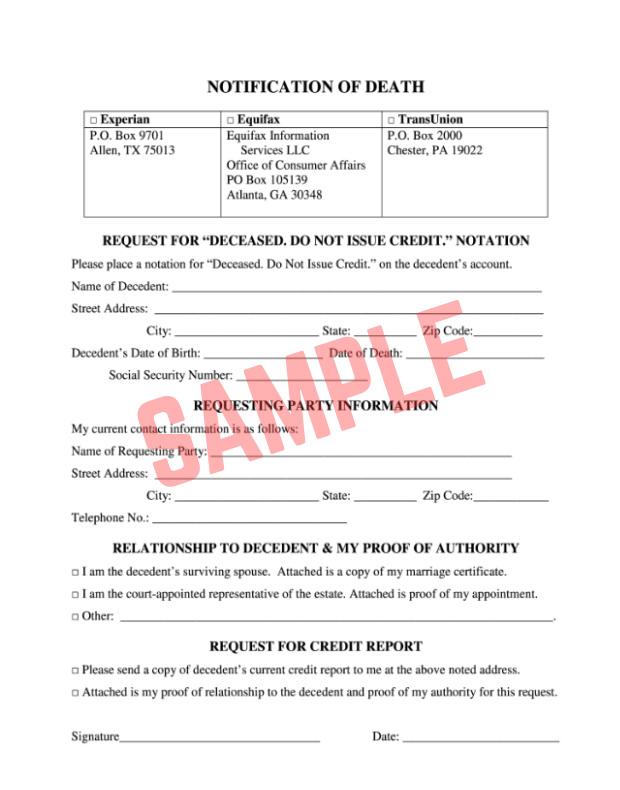
Understanding how to draft and send this vital document is paramount for executors, personal representatives, or family members handling an estate. We will delve into why this notification is so important, what key information it must contain, and present a sample notice of death to creditors template to help you fulfill this significant responsibility effectively and correctly.
Why Notifying Creditors After Death Is Crucial for Estate Administration
When someone passes away, their estate becomes responsible for their outstanding debts. Notifying creditors is not merely a courtesy; it’s a legal and practical necessity that safeguards the estate and those managing it. This process helps ensure all legitimate claims are handled properly and within specific legal timeframes.
Protecting the Estate and Executor from Future Claims
One of the primary reasons to send a formal notice of death to creditors is to establish a clear timeline for claims. Many jurisdictions have statutes that set a limited period during which creditors can make claims against an estate. By formally notifying them, you activate this “non-claim period.”
Without this formal notification, creditors might have a much longer window, sometimes years, to come forward with claims. This extended period leaves the estate vulnerable and can delay the final distribution of assets. A well-prepared notice of death to creditors template helps prevent unexpected demands long after the estate appears to be settled.
Understanding Legal Obligations for Deceased’s Debts
Executors or personal representatives have a fiduciary duty to manage the estate’s assets responsibly. This includes identifying and paying legitimate debts before distributing inheritances. Failing to notify creditors or mismanaging their claims can lead to personal liability for the executor.
In some states, publishing a notice in a local newspaper is a required step in the probate process. However, direct notification using a notice of death to creditors template ensures specific creditors are informed, particularly those known to the deceased. This dual approach provides comprehensive coverage, minimizing risks for all parties involved.
The Impact on Debt Settlement and Asset Distribution
Sending a notice of death to creditors brings clarity to the estate’s financial obligations. It allows the executor to gather all outstanding debts, assess the estate’s ability to pay them, and prioritize payments according to legal mandates. This structured approach helps prevent disputes and ensures fairness among creditors.
Once the claim period expires, and all legitimate debts are settled, the executor can proceed with distributing the remaining assets to beneficiaries. This orderly process ensures that beneficiaries receive their rightful inheritance without the looming threat of future debt claims. It provides peace of mind and finality to the estate administration process.
What to Include in a Comprehensive Notice of Death to Creditors Template
A carefully drafted notice of death to creditors template is essential for effective estate administration. It serves as a formal communication to all known creditors, initiating the legal process for resolving debts. The document must be clear, concise, and contain all legally required information to be effective.
Essential Information About the Deceased
The notice should begin by clearly identifying the person who has passed away. This includes their full legal name, any known aliases, and their date of death. Providing the deceased’s last known address and social security number (if appropriate for the jurisdiction and context) can help creditors accurately identify their accounts.
This foundational information ensures that the creditor can easily cross-reference their records and confirm any existing debts. Accuracy in these details is crucial to avoid confusion and ensure the notice is correctly applied to the relevant financial accounts. Incorrect information could lead to delays or misidentification of obligations.
Executor and Estate Details for Contact and Clarity
The notice must clearly identify the executor or personal representative of the estate. This includes their full name, mailing address, and contact information (phone number and email). Creditors need a reliable point of contact for any questions or to submit their claims.
Additionally, the notice should state the court where the probate case is being handled, if applicable, along with the case number. This detail provides creditors with verifiable legal context for the estate. It reinforces the official nature of the communication, guiding creditors on where to file any formal claims.
Setting a Clear Claim Deadline for Creditors
Perhaps the most critical element of the notice is the specified deadline for submitting claims. Most jurisdictions provide a statutory period, often 3-6 months, during which creditors must file their claims against the estate. The notice must clearly state this deadline, specifying the exact date.
The notice should also explain the consequences of failing to meet this deadline, typically that claims submitted after this date will be barred. This firm deadline encourages creditors to act promptly, ensuring the estate can be settled efficiently. It is important to verify the specific requirements for your jurisdiction when setting this date.
Sample Notice Of Death To Creditors Template
Here is a comprehensive notice of death to creditors template. Remember to customize this template with specific details relevant to the deceased’s estate and your jurisdiction’s legal requirements. This example provides a clear and professional structure for your communication.
[Your Name/Executor's Name]
[Your Title/Executor of the Estate of [Deceased's Full Name]]
[Your Street Address]
[Your City, State, Zip Code]
[Your Phone Number]
[Your Email Address]

[Date]

[Creditor Company Name]
[Creditor Address]
[Creditor City, State, Zip Code]

**Subject: Notice of Death and Request for Statement of Claim - Estate of [Deceased's Full Name]**

Dear Sir/Madam,

This letter serves as formal notification of the passing of [Deceased's Full Name], who resided at [Deceased's Last Known Address]. [He/She/They] passed away on [Date of Death].

I am writing to you in my capacity as the duly appointed [Executor/Personal Representative] of the Estate of [Deceased's Full Name], also known as [Any Other Known Aliases, e.g., Jane Doe Smith]. The probate case for this estate is being administered in the [Name of Court, e.g., Superior Court of County Name, State Name], Case Number [Probate Case Number, if applicable].

We understand that [Deceased's Full Name] may have had an outstanding account or debt with your company, such as [mention specific account type if known, e.g., credit card, loan, mortgage, medical bill].

Pursuant to [Relevant State Statute, e.g., Section 733.702 of the Florida Probate Code], all creditors having claims against the Estate of [Deceased's Full Name] are required to present their claims within [Number] months from the date of first publication of the Notice to Creditors, or within 30 days of the date of mailing or other service of this notice, whichever is later.

**Therefore, you are hereby requested to submit a written statement of any and all claims you may have against the Estate of [Deceased's Full Name] by [Specific Deadline Date, e.g., May 15, 20XX].**

All claims must be presented in writing to me at the address provided above and must include sufficient detail to identify the nature and amount of the claim, along with supporting documentation where applicable.

Please be advised that any claims not filed by the aforementioned deadline may be forever barred.

We appreciate your prompt attention to this matter. Please do not hesitate to contact me at the phone number or email address provided above should you require further information.

Sincerely,

[Your Signature]

[Your Typed Name]
Executor of the Estate of [Deceased's Full Name]
This template covers all the essential components for a notice of death to creditors template. It clearly identifies the deceased, the executor, the legal context, and the crucial deadline for claims. Ensuring all fields are accurately filled will facilitate a smooth administration process.
Proper use of a notice of death to creditors template ensures that all legal requirements are met and that the estate is handled efficiently. It minimizes potential disputes and protects both the beneficiaries and the executor from future complications. Taking the time to prepare and send this document correctly is a vital step in concluding the estate’s affairs.
Managing the aftermath of a loved one’s passing is never easy, and the administrative burden can feel overwhelming. Utilizing a structured approach, like employing a comprehensive notice of death to creditors template, significantly streamlines the estate settlement process. This proactive measure not only fulfills legal obligations but also brings clarity and finality to the deceased’s financial matters.
By properly notifying creditors, executors ensure that all legitimate claims are addressed within a defined timeframe, thereby safeguarding the estate’s assets for the beneficiaries. This diligent approach prevents unexpected liabilities from emerging years later, allowing everyone involved to move forward with confidence. Always consult with an attorney specializing in estate law to ensure full compliance with local and state regulations specific to your unique situation.