In the fast-paced world of project management, timing is everything. Organizations often face a dilemma: how to kickstart critical project activities without fully committing to the entire scope before all prerequisites are met. This is where a well-crafted limited notice to proceed template becomes an invaluable tool, enabling a phased approach to project commencement.
A Limited Notice to Proceed (LNTP) allows specific, often preparatory, tasks to begin, mitigating delays while the full contract finalization or other approvals are still pending. Understanding how to effectively use and create such a document can significantly streamline your project timelines and manage early risks. This article will guide you through its importance, key components, and provide a practical sample to help you get started.
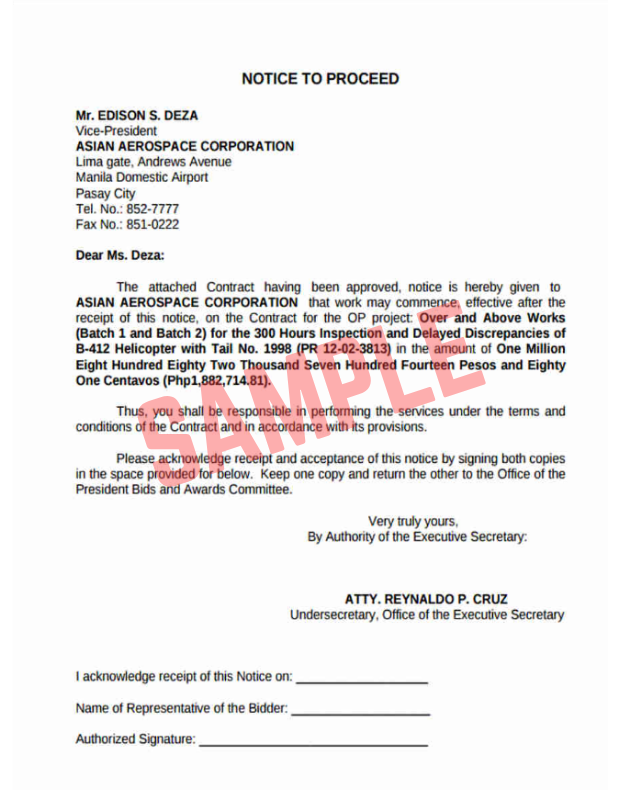
Understanding the Role of a Limited Notice to Proceed
Initiating a project can be a complex dance of legal agreements, financial approvals, and logistical planning. A Limited Notice to Proceed serves as a vital bridge, authorizing a vendor or contractor to commence specific, pre-defined tasks before the full Notice to Proceed (NTP) is issued. This strategic document helps maintain project momentum without overcommitting resources or budget prematurely.
Businesses use this contractual mechanism to address situations where certain early activities are time-sensitive. It could involve ordering long-lead materials, initiating design work, or conducting site preparation. By doing so, project teams can shave weeks or even months off overall timelines, which is a significant advantage in competitive environments.
Distinguishing Limited NTP from Full NTP
While both a Limited Notice to Proceed and a full Notice to Proceed authorize work, their scope and implications differ significantly. A full NTP signals the official start of the entire project, allowing the contractor to mobilize fully and incur all project-related costs according to the complete contract.
Conversely, a Limited Notice to Proceed explicitly restricts the authorized work to a narrow, clearly defined scope. It typically specifies a maximum dollar amount, a particular set of tasks, or a limited timeframe for the initial work. This partial authorization helps in managing financial exposure and limiting liabilities until all contract conditions are satisfied.
When to Utilize a Limited Notice to Proceed
The strategic deployment of a Limited Notice to Proceed can be a game-changer for project schedules. Several common scenarios benefit from this phased commencement approach:
- Long-Lead Item Procurement: When specific materials or equipment have extended delivery times, an LNTP allows their order placement well in advance, preventing potential bottlenecks later in the project.
- Early Engineering or Design Work: Initial design phases, surveys, or detailed engineering can often proceed independently, laying the groundwork for construction without waiting for full project approval.
- Permitting and Regulatory Approvals: Some permits require preliminary site work or documentation that can be initiated under an LNTP while the broader project approvals are still being processed.
- Site Mobilization and Preparation: Activities like setting up temporary facilities, site clearing, or initial grading can often begin under limited authorization, preparing the site for full construction.
By identifying these critical early tasks, project managers can leverage an LNTP to mitigate risks associated with delays, ultimately contributing to better project outcomes and adherence to tight deadlines.
Essential Elements of an Effective Limited Notice to Proceed Template
Creating a robust and clear Limited Notice to Proceed is crucial for its effectiveness and to avoid misunderstandings. A well-structured limited notice to proceed template ensures that both parties understand their obligations and the boundaries of the authorized work. Clarity in this document minimizes disputes and facilitates a smooth transition to full project execution.
It acts as a mini-contract for specific tasks, referencing the overarching main agreement that will eventually govern the entire project. Careful attention to detail in drafting this document protects the interests of both the client and the contractor, establishing clear expectations from the outset.
Key Information to Include
An effective Limited Notice to Proceed document must contain several critical pieces of information to ensure clarity and enforceability. Omitting any of these details could lead to ambiguities or legal complications down the line.
- Identification of Parties: Clearly state the full legal names and addresses of both the issuing party (client) and the receiving party (contractor/vendor).
- Project Name and Reference: Specify the project title and any relevant contract numbers or identifiers associated with the main agreement.
- Effective Date: The precise date from which the Limited Notice to Proceed becomes active.
- Defined Scope of Work: This is perhaps the most critical element. Explicitly detail the specific tasks, deliverables, and activities authorized under this limited notice. Use bullet points or numbered lists for absolute clarity.
- Maximum Authorized Amount: State the financial limit for the work performed under the LNTP. This caps the client’s financial exposure during this phase.
- Duration or Completion Date: Specify the timeframe within which the authorized limited work must be completed.
- Reporting Requirements: Outline any progress reports, schedules, or documentation the contractor must provide during this phase.
- Reference to Main Contract: Confirm that all terms and conditions of the main, anticipated contract apply to the work performed under this limited notice, even if the main contract is not yet fully executed.
- Insurance Requirements: Reiterate any insurance mandates that must be in place for the limited work.
- Signatures: Spaces for authorized representatives from both parties to sign and date, indicating their acceptance of the terms.
Legal Considerations and Best Practices
When preparing a limited notice to proceed template, legal scrutiny is paramount. While it’s a temporary measure, it carries contractual weight. Ensuring the language is unambiguous helps prevent costly disputes and keeps the project on track.
Always have legal counsel review the document before issuance. This ensures compliance with local laws, project-specific contractual terms, and protection against unforeseen liabilities. Clarity around the scope of work, financial limitations, and the relationship to the main contract are critical legal safeguards. Furthermore, maintaining clear communication between all stakeholders about the purpose and limitations of the LNTP fosters trust and minimizes misunderstandings, leading to a more collaborative project environment.
Sample Limited Notice To Proceed Template
Below is a general example of a limited notice to proceed template. This structure can be adapted to fit specific project requirements, but it provides a strong foundation for clarity and legal soundness. Remember to replace bracketed information with your project-specific details.
[Your Company Letterhead]

Date: [Date of Issuance]

To:
[Contractor Company Name]
[Contractor Address]
[Contractor City, State, Zip]
Attention: [Contractor Point of Contact Name]

Subject: Limited Notice to Proceed for [Project Name] - [Contract Number, if applicable]

Dear [Contractor Point of Contact Name],

This letter serves as a Limited Notice to Proceed (LNTP) for specific tasks related to the [Project Name] (the "Project"), for which we anticipate entering into a comprehensive agreement (the "Main Contract") with your firm. This LNTP authorizes your company to commence work as detailed below, effective [Effective Date of LNTP].

The authorized work under this Limited Notice to Proceed is strictly limited to the following scope:

1.  [Specific Task 1, e.g., Procurement of long-lead item "X" as per attached specification A.]
2.  [Specific Task 2, e.g., Mobilization of key personnel for preliminary site survey and geotechnical investigations.]
3.  [Specific Task 3, e.g., Development of initial design drawings for phase 1 as outlined in Appendix B.]

The maximum financial authorization for the work performed under this LNTP is strictly limited to [Currency and Amount, e.g., USD 50,000.00]. Any work exceeding this amount must receive prior written authorization from [Your Company Name].

All work performed under this LNTP shall be completed by [LNTP Completion Date], unless extended in writing by [Your Company Name]. All terms, conditions, insurance requirements, and indemnities of the draft Main Contract (or Master Service Agreement dated [Date of MSA], if applicable) shall apply to the work performed under this LNTP, to the extent such terms are applicable to the limited scope of work herein.

This LNTP does not constitute a full Notice to Proceed for the entire Project. Full project commencement remains contingent upon the execution of the Main Contract and any other conditions precedent. Should the Main Contract not be executed for any reason, [Your Company Name]'s liability shall be limited to the costs incurred for the work expressly authorized by this LNTP, not exceeding the maximum financial authorization specified above.

Please acknowledge receipt and acceptance of this Limited Notice to Proceed by signing and returning a copy of this letter.

Sincerely,

[Your Name]
[Your Title]
[Your Company Name]

Acknowledged and Accepted By:

___________________________
[Contractor Point of Contact Name]
[Contractor Title]
[Contractor Company Name]
Date: ____________________
This sample clearly delineates the authorized tasks, financial cap, and relationship to the main contract. It uses placeholders to guide the user in customizing the document. Remember to always tailor the language and details to the specific context of your project and consult legal advice when necessary.
Effective use of such a template empowers project managers to maintain critical timelines while adhering to sound financial and contractual practices. It’s a testament to proactive project planning and risk management.
The strategic implementation of a limited notice to proceed can significantly enhance project efficiency and reduce potential delays. By carefully defining early work scopes and financial limits, organizations can move forward with essential tasks without prematurely committing to the entirety of a project. This approach not only saves time but also provides a layer of protection against unforeseen circumstances, fostering more controlled and successful project commencements. Understanding and customizing a robust limited notice to proceed template for your specific needs is a smart move for any project-driven organization. It empowers teams to be agile and responsive, ensuring that critical preparatory work begins when it’s most impactful, ultimately leading to smoother transitions and better overall project outcomes.