Managing properties and ensuring the smooth running of communal services often involves the collection of service charges. These charges cover essential costs, from maintenance and repairs to insurance and administrative fees. However, successfully collecting these funds can sometimes be a challenge, especially when residents fall into arrears.
When informal reminders don’t yield results, a formal approach becomes necessary. This is where a robust and legally compliant service charge demand notice template proves invaluable. It serves as a crucial step in the recovery process, clearly outlining the outstanding amounts and the consequences of non-payment.
This article will guide you through the intricacies of service charge demands, exploring the legal frameworks, essential components, and best practices. You’ll learn how to effectively use a service charge demand notice template to streamline your collection efforts, minimize disputes, and maintain good relationships with leaseholders while upholding your property management responsibilities.
Understanding Service Charges and Legal Requirements
Service charges are financial contributions made by leaseholders or tenants towards the cost of services provided to a building or estate. These can include everything from cleaning communal areas and maintaining gardens to structural repairs, utility bills for common parts, and building insurance premiums. Understanding their scope is fundamental to effective property management.
What Constitutes a Service Charge?
A service charge is typically defined within the terms of a lease agreement. It must be reasonable and relate directly to services, repairs, maintenance, insurance, or the provision of management. Transparency is key, as leaseholders have a right to know how their money is being spent and what services they are paying for.
Common examples of items covered by service charges include lift maintenance, fire safety equipment checks, concierge services, and external window cleaning. These contributions ensure the property remains safe, attractive, and functional for all residents. Disputes often arise when the nature or cost of these charges is unclear.
Legal Obligations Before Demanding Payment
Before issuing a service charge demand, landlords and managing agents must adhere to specific legal requirements. The Landlord and Tenant Act 1985 (and subsequent amendments) outlines the statutory provisions that must be followed. This includes providing clear statements of account and a summary of tenants’ rights.
A demand for service charges must be accompanied by a summary of the leaseholder’s rights and obligations concerning service charges, as prescribed by law. Without this summary, the charges may not be legally recoverable. Moreover, the demand must specify the payee’s name and address, ensuring clarity for the leaseholder.
Common Pitfalls in Service Charge Collection
Collecting service charges can be fraught with potential issues. One common pitfall is failing to issue demands correctly or within the stipulated timeframes set out in the lease. Another arises from a lack of clear communication regarding what the charges cover and how they are calculated.
Other challenges include inadequate record-keeping, which can make it difficult to justify expenses, and poor dispute resolution processes. Failure to address these issues promptly can lead to prolonged arrears, legal battles, and strained landlord-tenant relationships. Utilizing a consistent service charge demand notice template helps to mitigate these risks by standardizing the process.
Crafting an Effective Service Charge Demand Notice Template
A well-structured service charge demand notice template is more than just a request for money; it’s a formal communication that can prevent disputes and expedite payment. It must be clear, comprehensive, and legally sound to be effective. Precision in drafting ensures compliance and strengthens your position if further action is required.
Key Elements of a Valid Demand Notice
For a service charge demand notice to be legally valid and effective, it must contain several critical pieces of information. Omitting any of these can invalidate the demand and delay the recovery process. Attention to detail is paramount when preparing this document.
- Clear Identification: The notice must clearly identify the property, the leaseholder, and the landlord or managing agent.
- Specific Charges: Detail each service charge item, the period it covers, and the exact amount due.
- Total Amount Due: Provide a clear total of the outstanding service charges.
- Due Date for Payment: Specify a reasonable deadline for payment, typically 14-28 days from the date of the notice.
- Payment Methods: Outline acceptable methods for payment (e.g., bank transfer, cheque).
- Summary of Rights: Include the prescribed “Summary of Tenants’ Rights and Obligations in respect of Service Charges.”
- Contact Information: Provide contact details for queries or to discuss payment arrangements.
- Consequences of Non-Payment: State clearly what steps may be taken if payment is not received by the due date.
Best Practices for Sending Notices
The method of sending your service charge demand notice template is almost as important as its content. Proper delivery ensures the leaseholder receives the notice and minimizes any claims of non-receipt. This is crucial for establishing a clear audit trail.
Consider sending the notice via recorded delivery or a service that provides proof of delivery. This creates an undeniable record that the notice was sent and received. Email can be used as a supplementary method, but it generally does not suffice as the primary legal delivery mechanism unless explicitly agreed upon in the lease.
Always retain a copy of the demand notice and proof of postage or delivery for your records. This documentation is vital should you need to pursue legal action for non-payment. Consistency in your notice delivery process reflects professionalism and diligence.
What Happens After Sending the Notice?
Once the service charge demand notice has been sent, you should monitor for payment. If payment is received, ensure it is promptly allocated to the correct account. If the due date passes without full payment, it’s time to consider the next steps in your arrears recovery policy.
This might involve sending a reminder letter, engaging in direct communication with the leaseholder to understand any difficulties, or initiating more formal legal proceedings. Early communication can often resolve issues before they escalate, saving time and resources for all parties involved. A well-prepared service charge demand notice template sets the stage for these subsequent actions.
Sample Service Charge Demand Notice Template
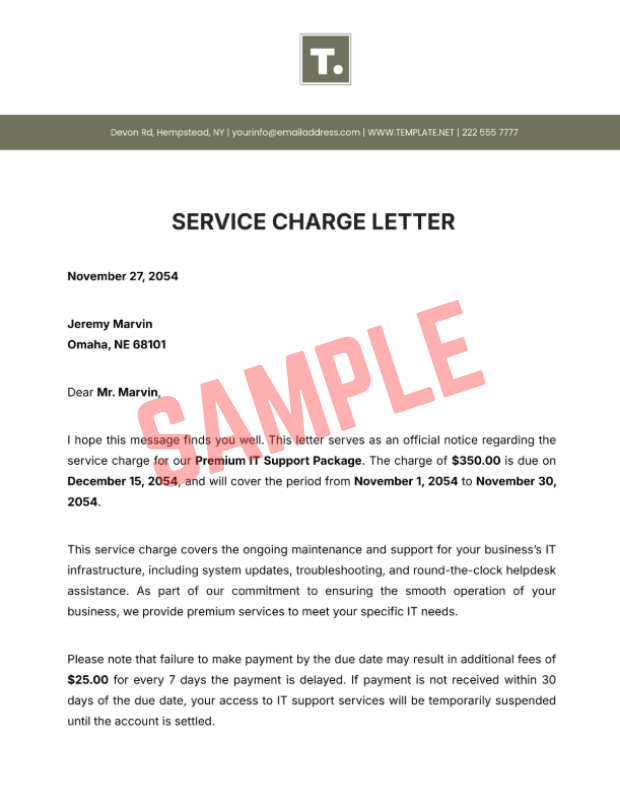
A well-structured service charge demand notice template provides clarity and ensures all legal requirements are met. This sample includes placeholders for specific details, making it easy to adapt for your particular needs. Remember to fill in all bracketed information accurately.
[Your Company Letterhead/Details]
[Your Company Name]
[Your Company Address]
[Your Company Phone Number]
[Your Company Email Address]
[Date]

[Leaseholder's Name]
[Leaseholder's Address]

**SUBJECT: DEMAND FOR PAYMENT OF SERVICE CHARGES - [Property Address]**

Dear [Leaseholder's Name],

This letter serves as a formal demand for payment of outstanding service charges pertaining to your property at [Property Address]. These charges are levied in accordance with the terms of your lease agreement dated [Date of Lease].

Please find below a breakdown of the outstanding amounts:

| Service Charge Item            | Period Covered          | Amount Due (£) |
|--------------------------------|-------------------------|----------------|
| Annual Service Charge          | [Start Date] - [End Date] | [Amount]       |
| Major Works Contribution       | [Specific Project Name] | [Amount]       |
| Insurance Premium              | [Start Date] - [End Date] | [Amount]       |
| **Total Outstanding Amount**   |                         | **[TOTAL AMOUNT]**|

The total outstanding amount of **£[TOTAL AMOUNT]** is now due for immediate payment. Please make payment no later than **[Due Date - e.g., 14/28 days from notice date]**.

Payment can be made via:
*   **Bank Transfer:**
    *   Account Name: [Your Company Bank Account Name]
    *   Account Number: [Your Company Bank Account Number]
    *   Sort Code: [Your Company Sort Code]
    *   Reference: [Your Property Address/Leaseholder Account Number]
*   **Cheque:** Made payable to [Your Company Name] and sent to the address above.

Please note that this demand is issued under the terms of your lease and in compliance with the Landlord and Tenant Act 1985 (as amended). Your statutory rights and obligations concerning service charges are detailed in the enclosed "Summary of Tenants' Rights and Obligations in respect of Service Charges." We urge you to read this document carefully.

Failure to pay the outstanding balance by the specified due date may result in further action being taken to recover the debt. This could include, but is not limited to, the accrual of interest as per your lease agreement, legal proceedings, or the registration of a charge against your property.

If you have already made this payment or believe there is an error, please contact us immediately on [Your Company Phone Number] or reply to this email, providing proof of payment. We are happy to discuss any difficulties you may be experiencing.

Yours sincerely,

[Your Name/Managing Agent's Name]
[Your Title]
[Your Company Name]

**Enclosure:** Summary of Tenants' Rights and Obligations in respect of Service Charges (Mandatory)
This template serves as a strong foundation, but it’s always advisable to have legal counsel review any formal demand notices to ensure full compliance with current legislation and your specific lease terms. Using a standardized service charge demand notice template helps maintain consistency and professionalism across all your communications.
Effectively managing service charge collection is a cornerstone of responsible property management. From understanding the legal framework to meticulously crafting and dispatching demand notices, each step is vital. By leveraging a comprehensive service charge demand notice template, property managers and landlords can navigate the complexities of arrears recovery with greater confidence and efficiency.
Implementing a clear, legally compliant process not only helps in recovering outstanding funds but also fosters better communication with leaseholders. Regularly reviewing your collection procedures and ensuring all demands meet statutory requirements will protect your interests and maintain the financial health of the properties you manage. Take action today to streamline your service charge collection process and ensure timely payments.